From a distance, I spot a yellow van with a girl sitting beside it. She's very young, and as I ride past, I sneak a quick glance at her. There's something striking about her, her blonde hair catching the light and adding to her natural beauty. She sits there in the grass, gazing into the distance, lost in her own little world. Maybe she's simply enjoying the view. She doesn't seem to be in any hurry. I reckon she'll be off once she's finished her cigarette.
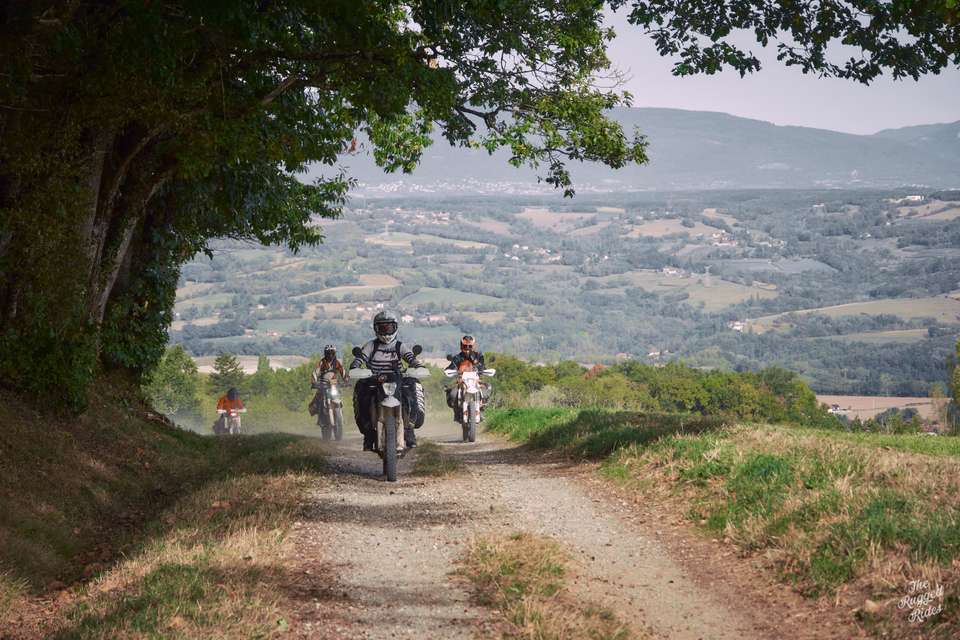
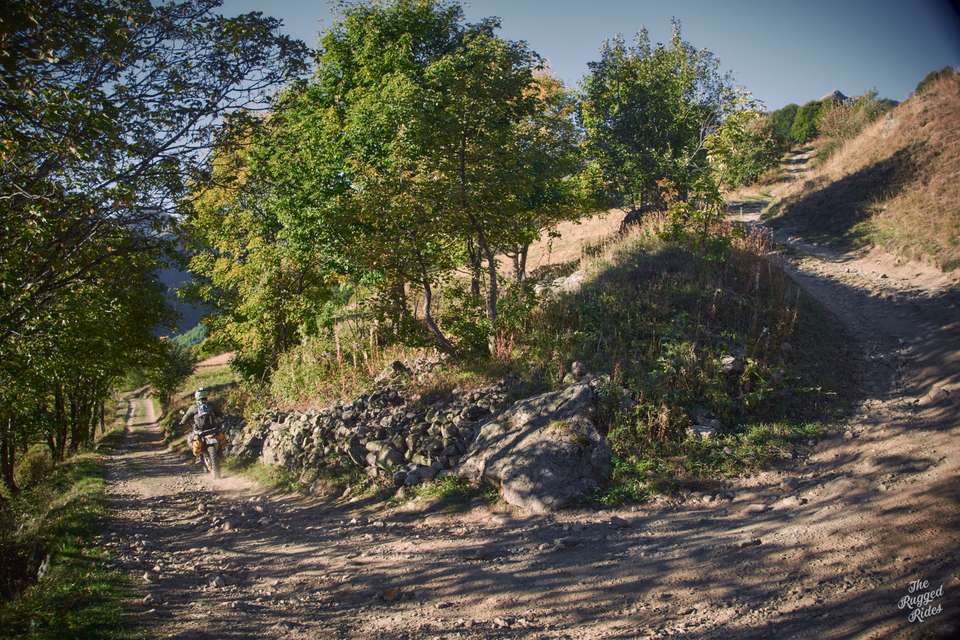
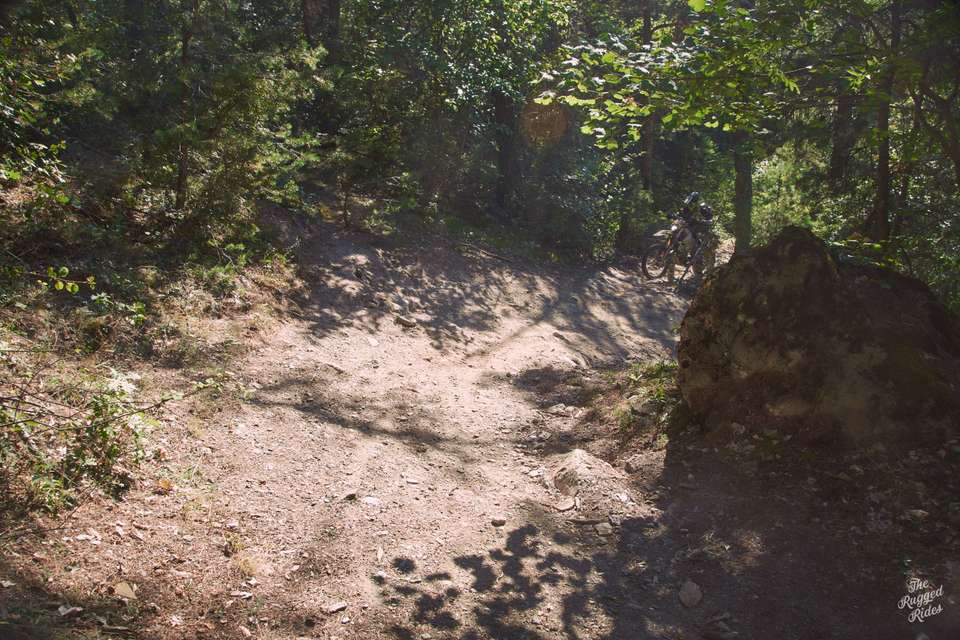
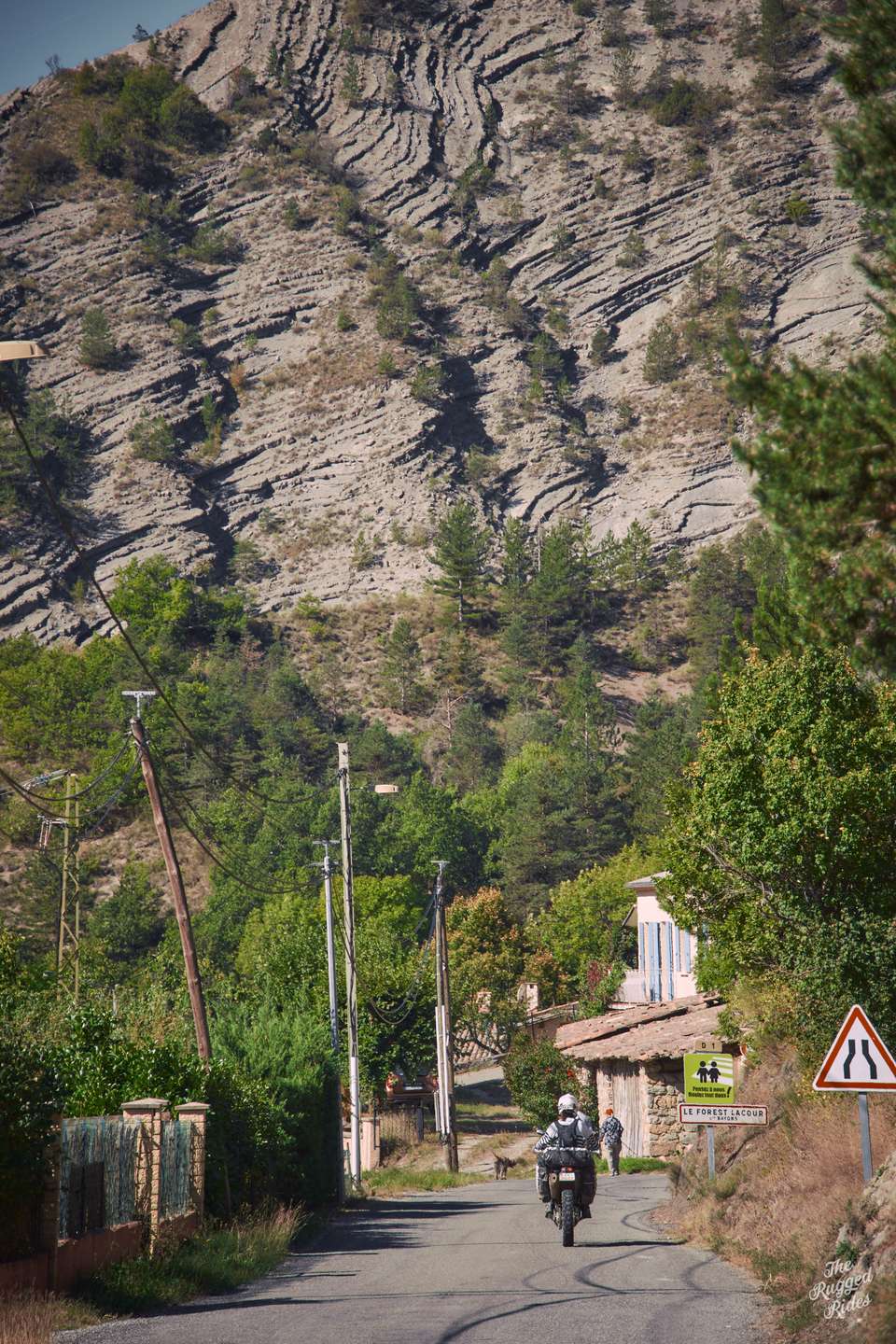
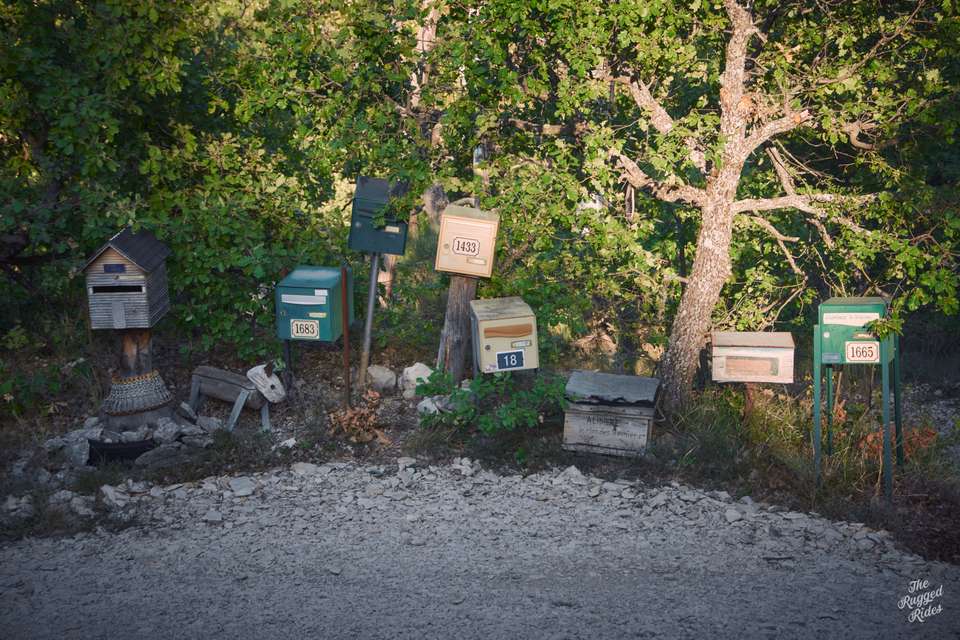
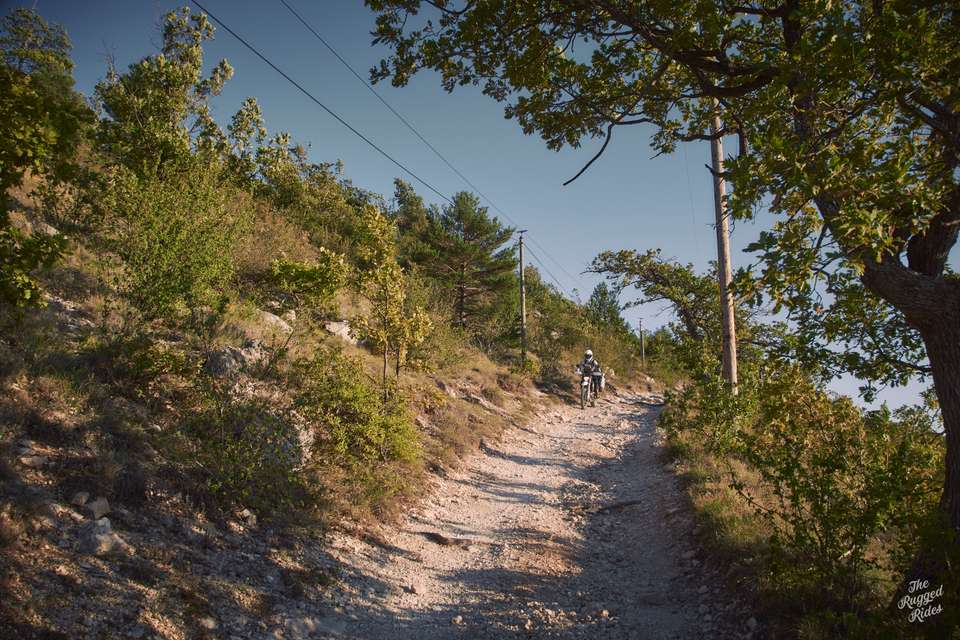
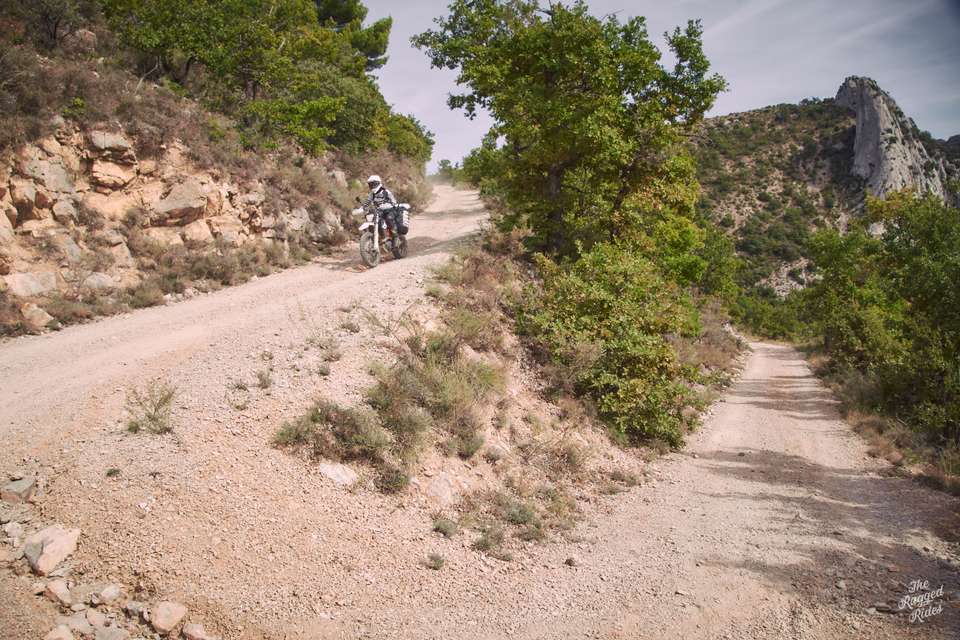
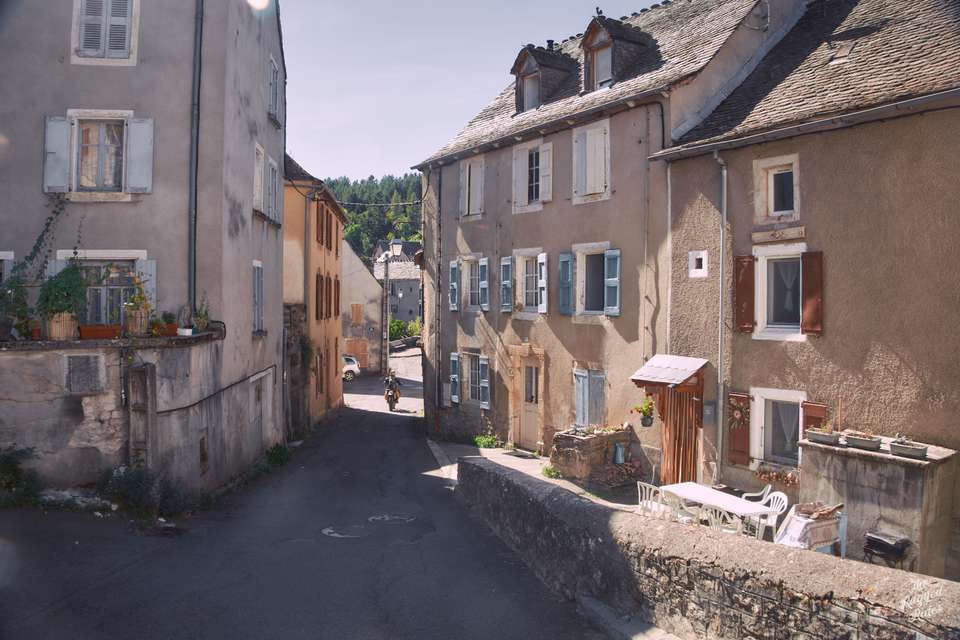
Little do I know that I'll catch up with her again just a few kilometres down the road, on a forgotten little track, all loose stones and thorny bushes, barely wide enough for a motorbike, let alone a car. And there she is again, this young girl, delivering the post to little stone cottages where hardly anyone lives any more…
This year, we headed to a place where nature is beautiful, architecture endlessly elegant, the food is absolutely spot on, and freedom is almost entirely unrestricted. Believe it or not, it's right in the heart of Europe. It's France.
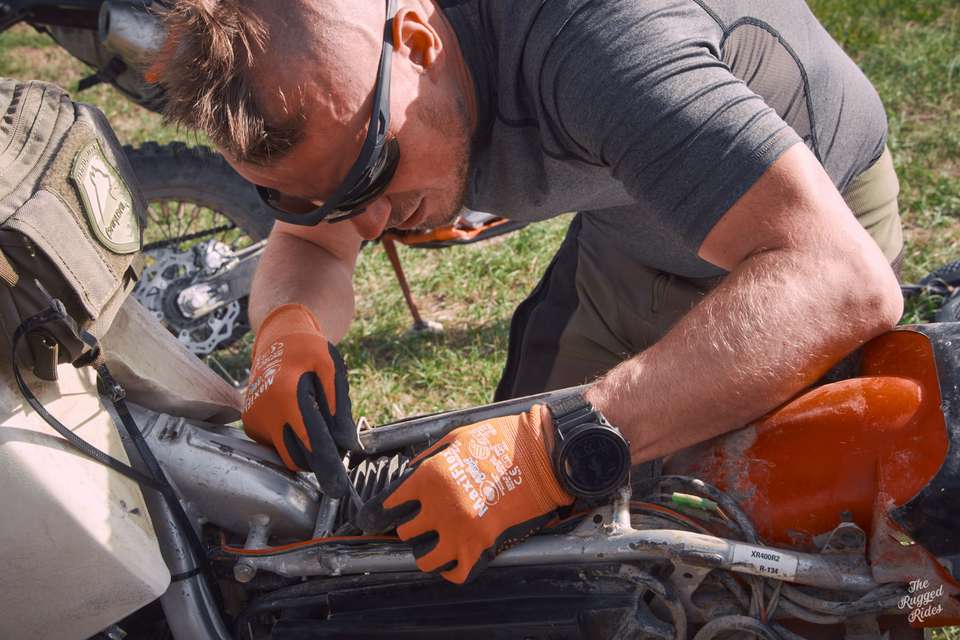
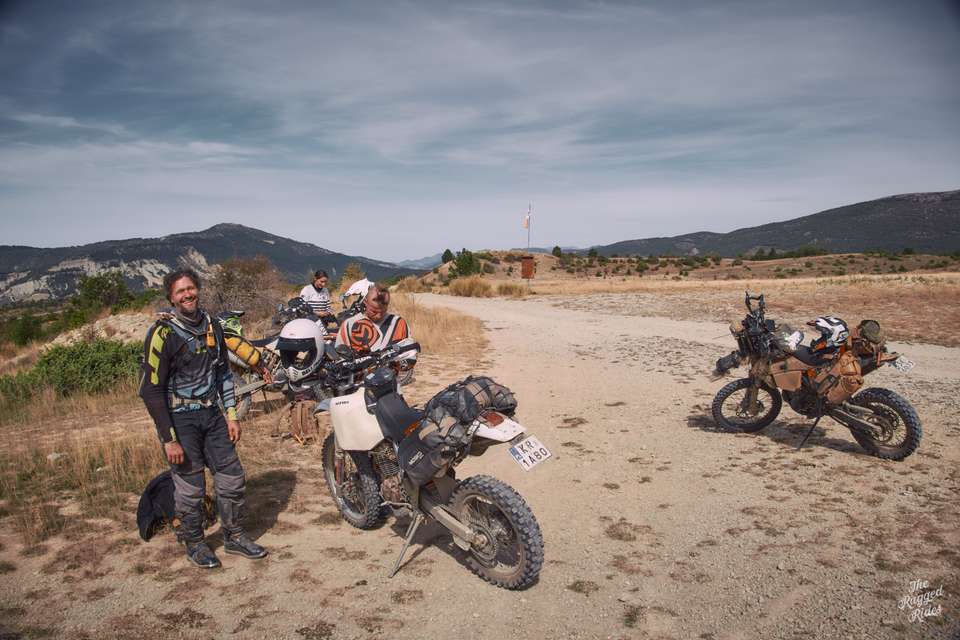
Hang on a minute… France? Why France? What on earth for? What are you going to look for among the immaculate boulevards of Paris? What could possibly interest you in this sea of civilisation? And what are you hoping to find there on a filthy, knobbly-tyred motorcycle, where the owner's greatest joy is the fact that, for once, not a single bolt has vibrated itself loose that day?
Well… France has another side to it, a slightly dustier and more rugged one. So buckle up, put on your finest coats, and get ready for a journey through four extraordinary regions of France, where a decent GPS with a topographic map will come in far more handy than impeccable table manners.
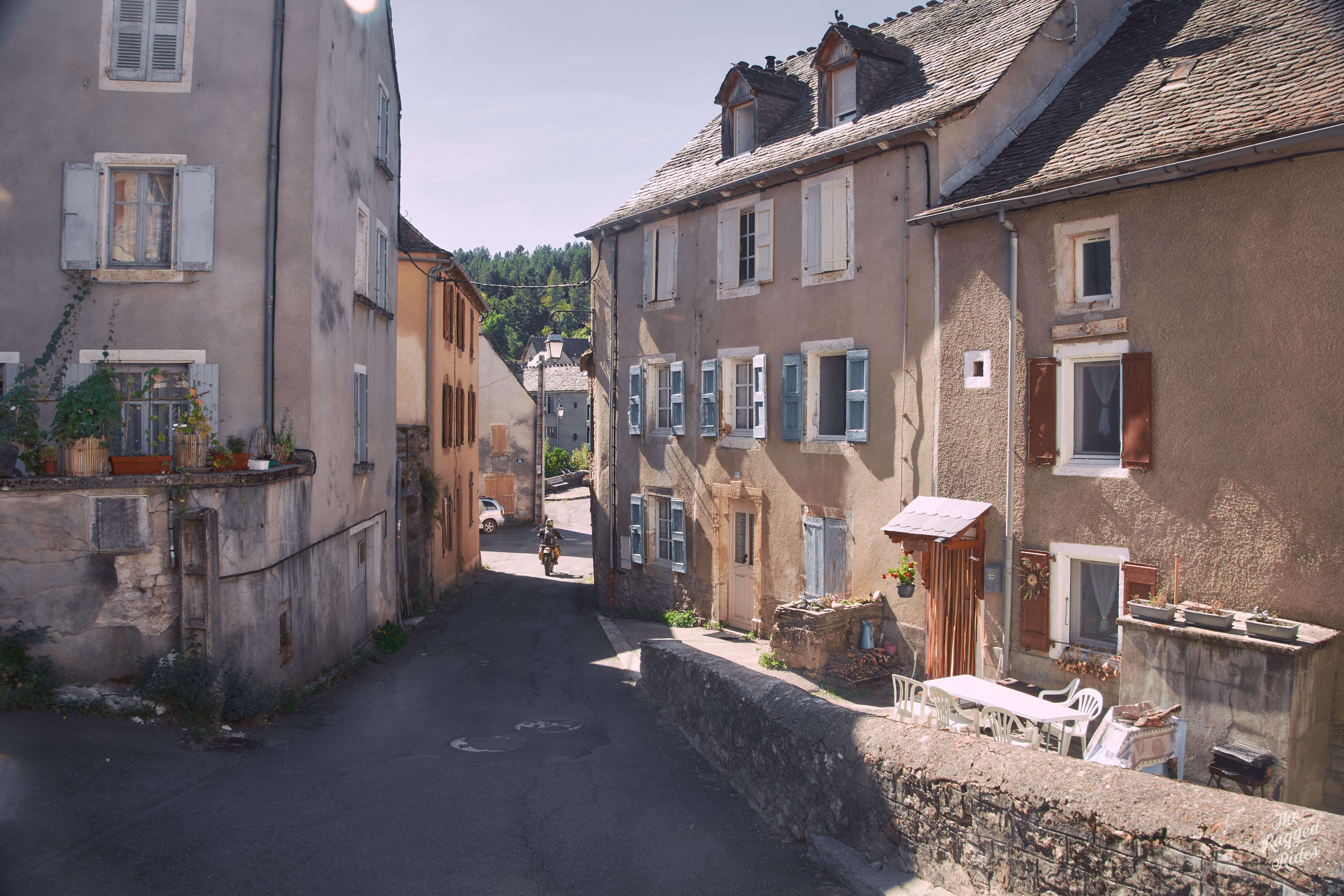
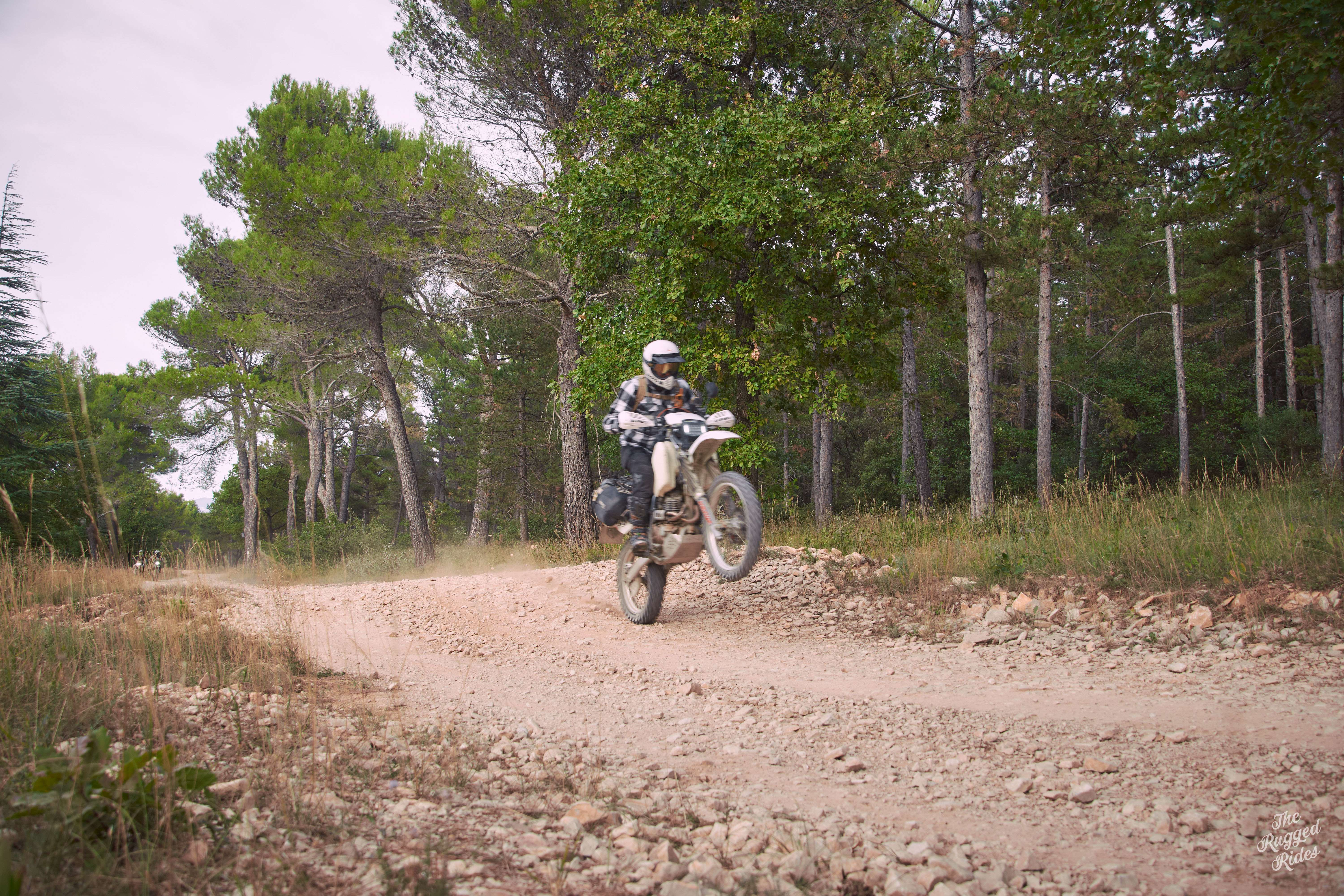
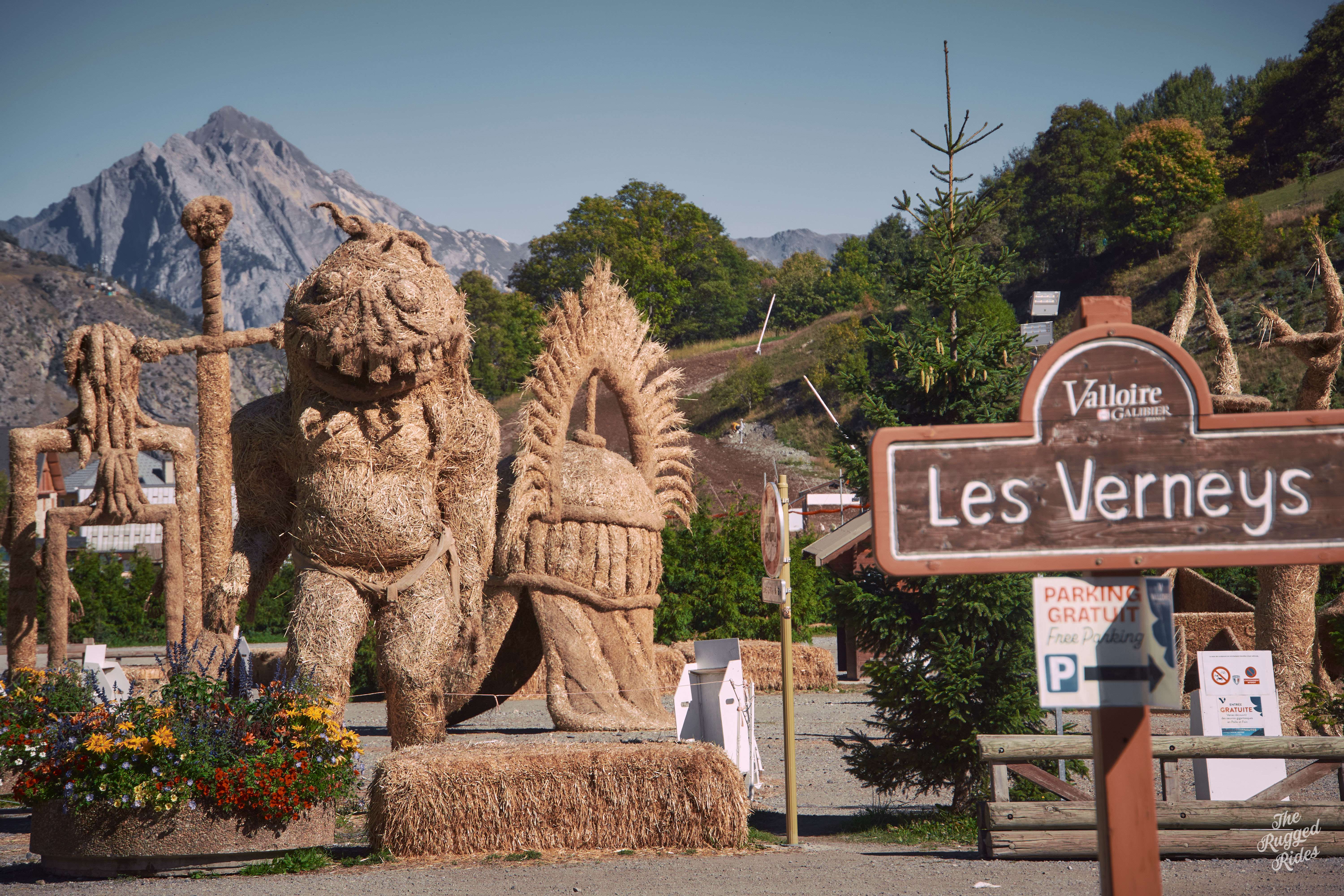
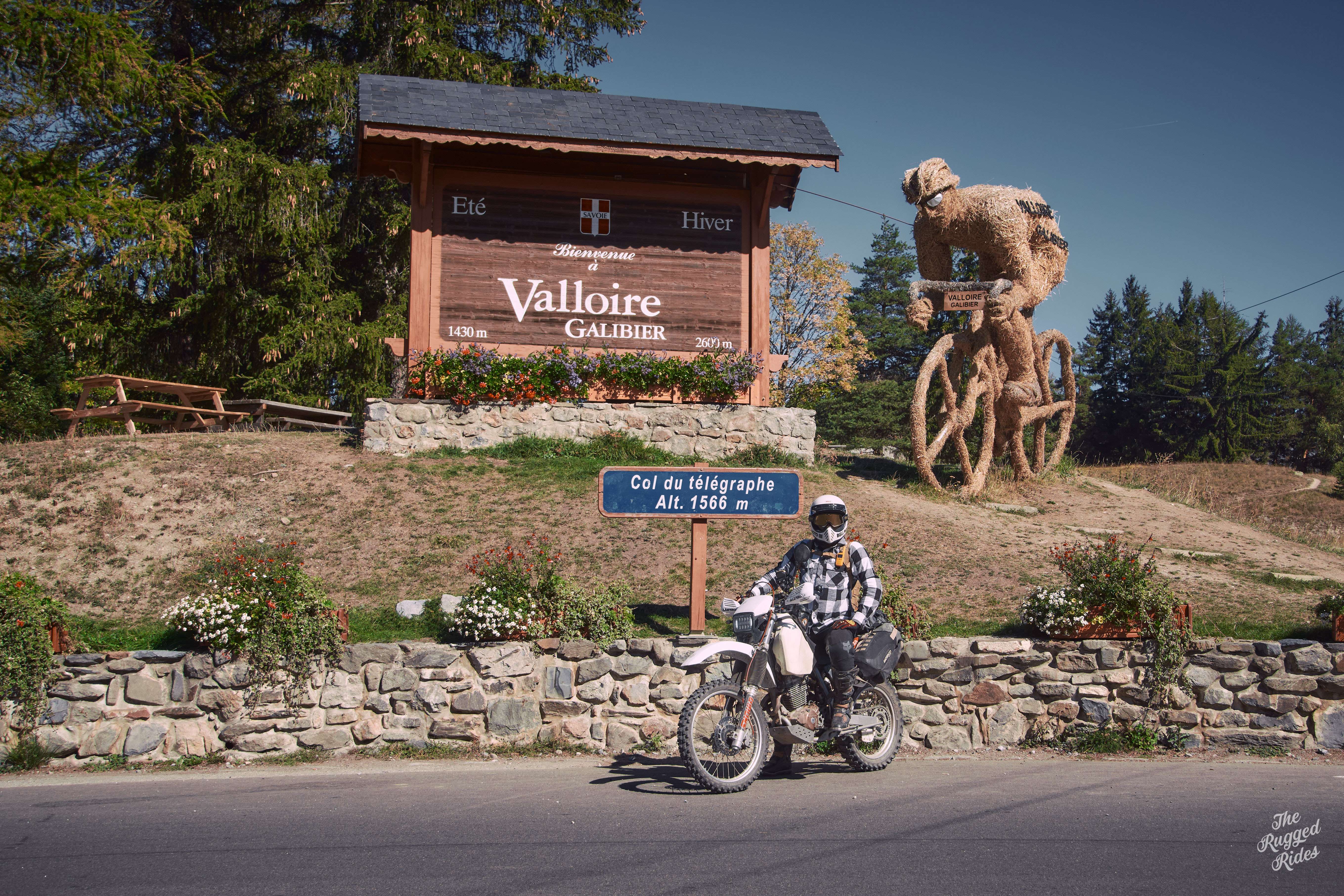
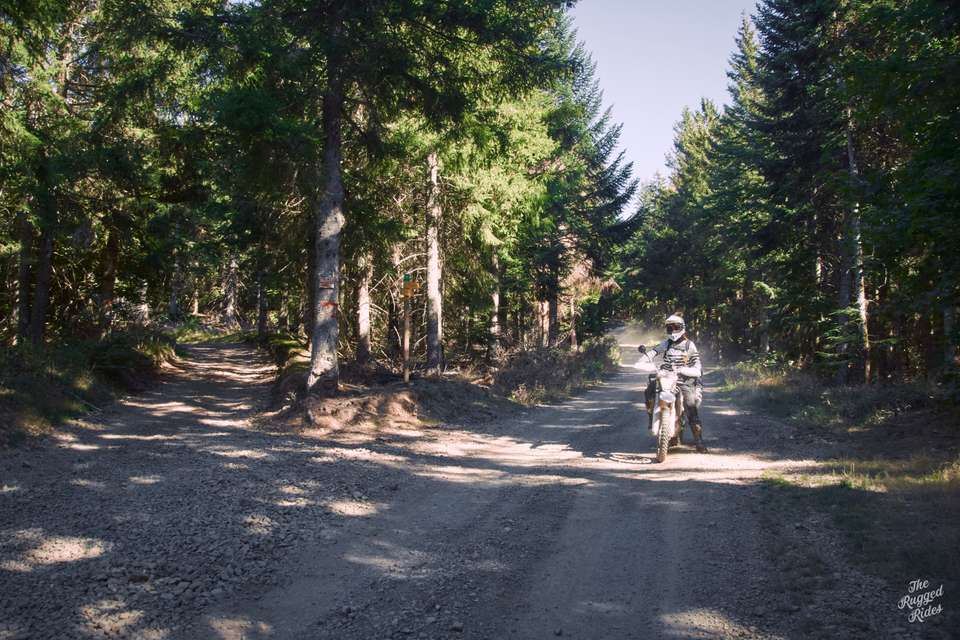
We're following the TET for the most part, sticking to the track this time, without any modifications. First, Section 22 through Alsace, then a custom link across the Alps, followed by Section 04 towards the Massif Central, and finally Section 26 through the land of extinct volcanoes.
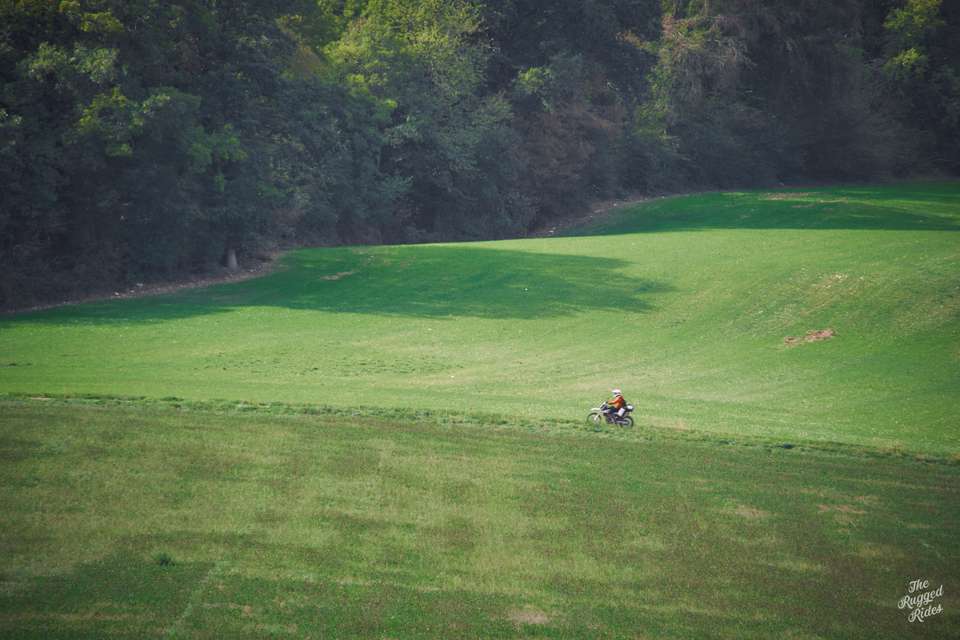
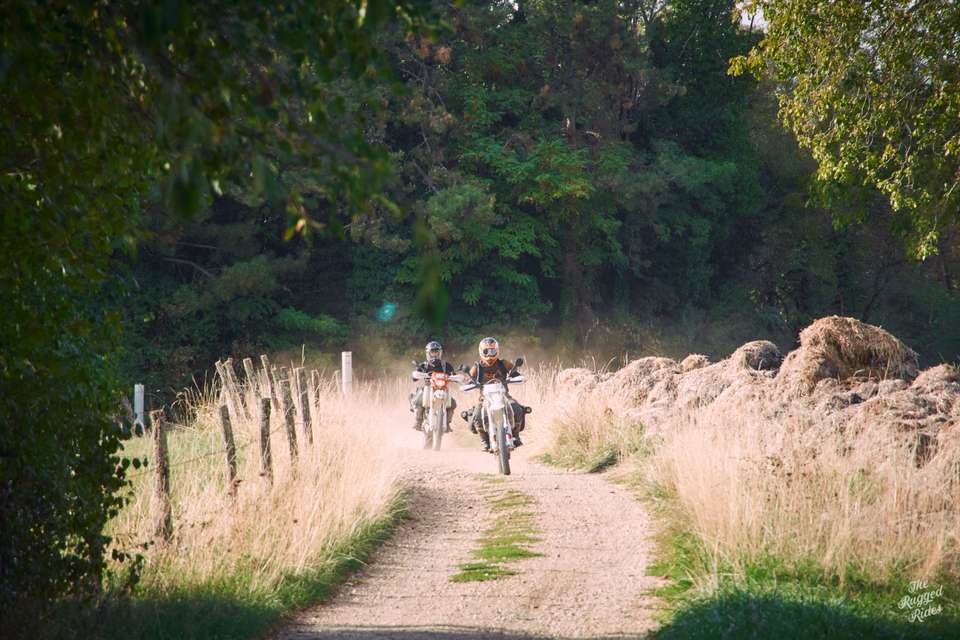
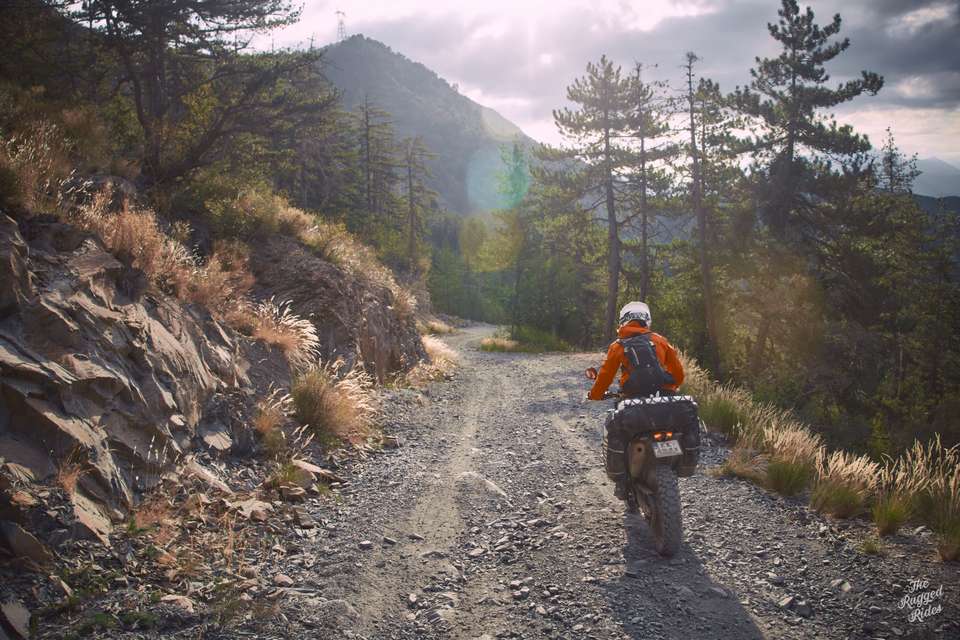
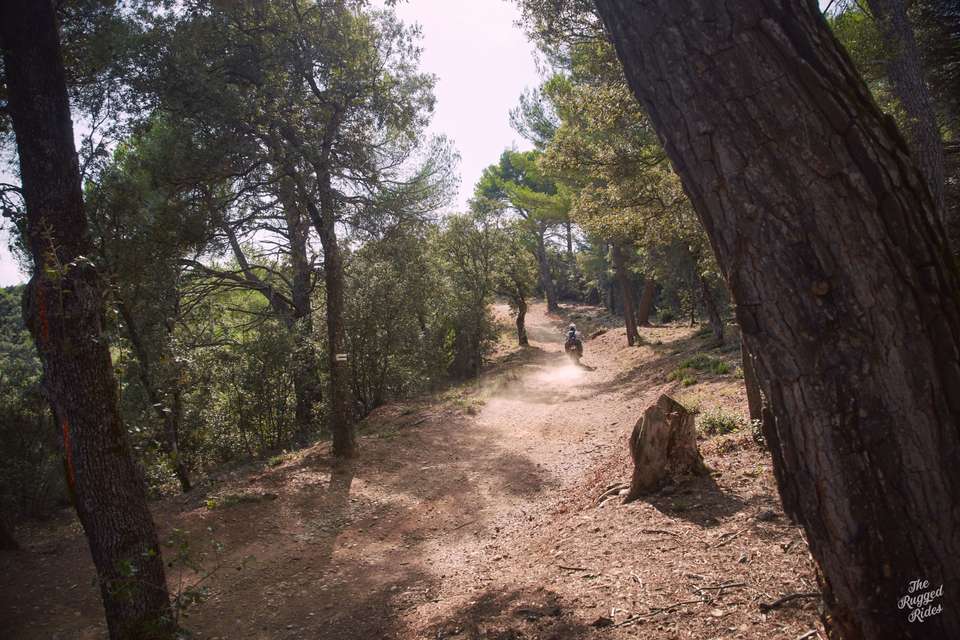
The sections are very different, but not simply because they take us through different regions. Each has its own character. The first ones are very much on the tarmac side, despite the fact that dozens of high-quality gravel tracks are clearly visible just off the road. Those tracks seem to snake invitingly into the distance, practically begging to be explored. Things are quite different in the second half of our trip, through central and southern France. Here, the TET sections are far more adventurous, much closer to the sort of riding I remember from our previous visits.
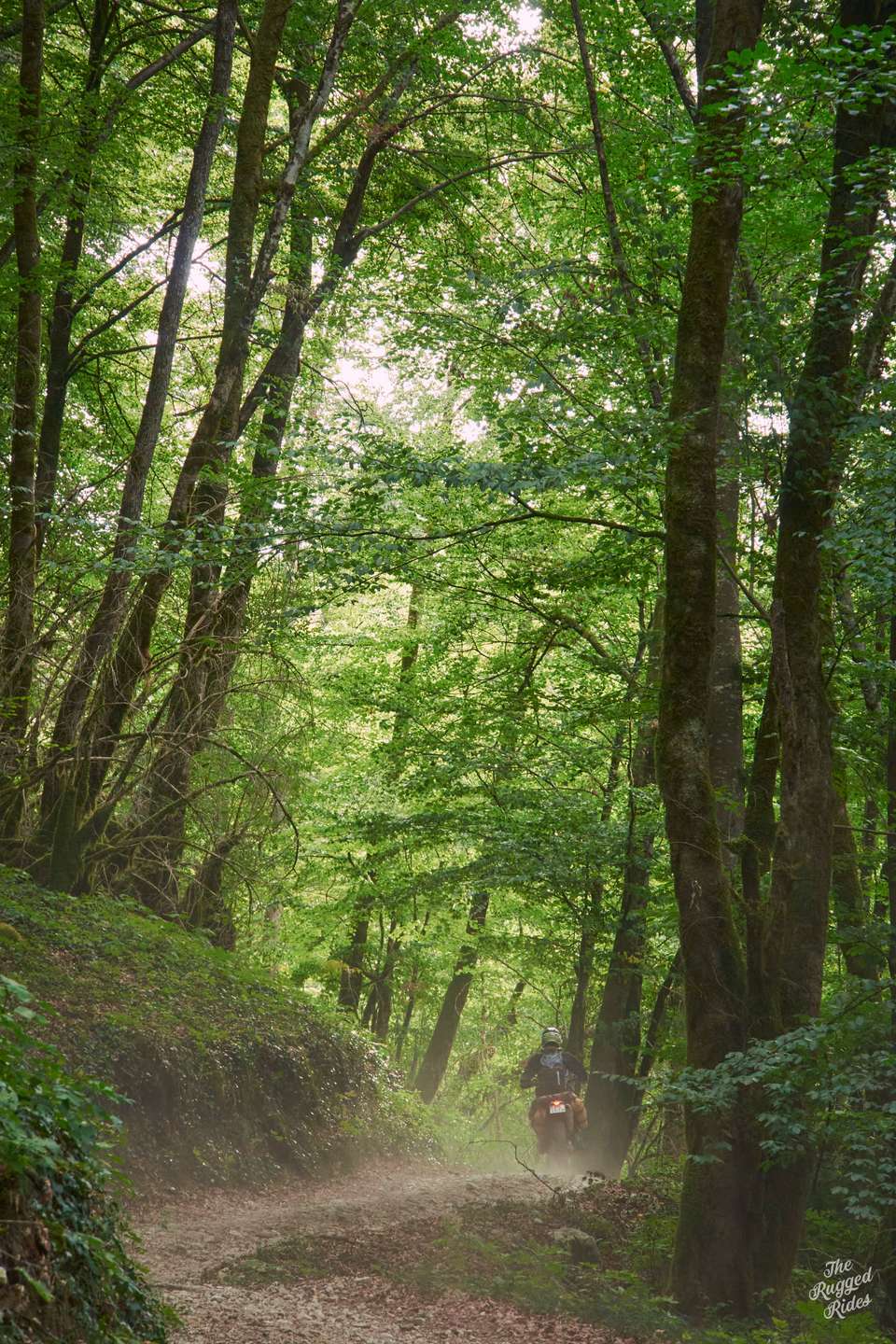
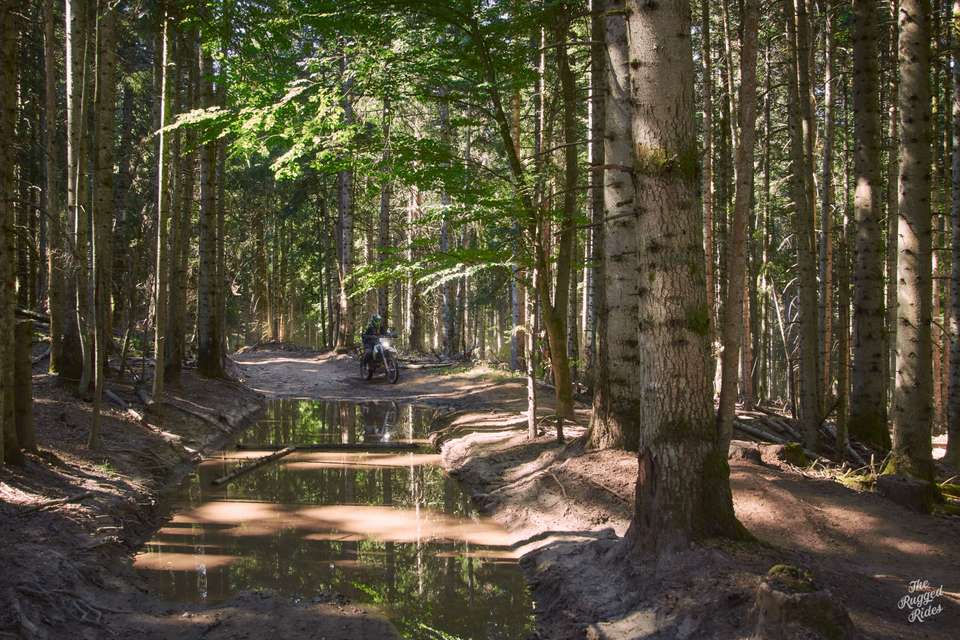
Our first stop is Alsace, a region where the architecture looks as though it's straight out of a Brothers Grimm fairy tale, and dirt tracks wind their way around picturesque vineyards and the Vosges mountains. Off-roading in Alsace is a little more discreet. The routes take us through deep beech forests and along old border roads. Most of the distance, however, is covered on tarmac, presumably thanks to the numerous no-entry signs. After all, we're close to countries where riding off-road is, for reasons that remain something of a mystery, verboten.
The Vosges mountains themselves are dotted with remnants of the First World War. Some forest tracks pass right by old trenches and concrete bunkers, now overgrown with moss, silent witnesses to the horrors of the Great War.
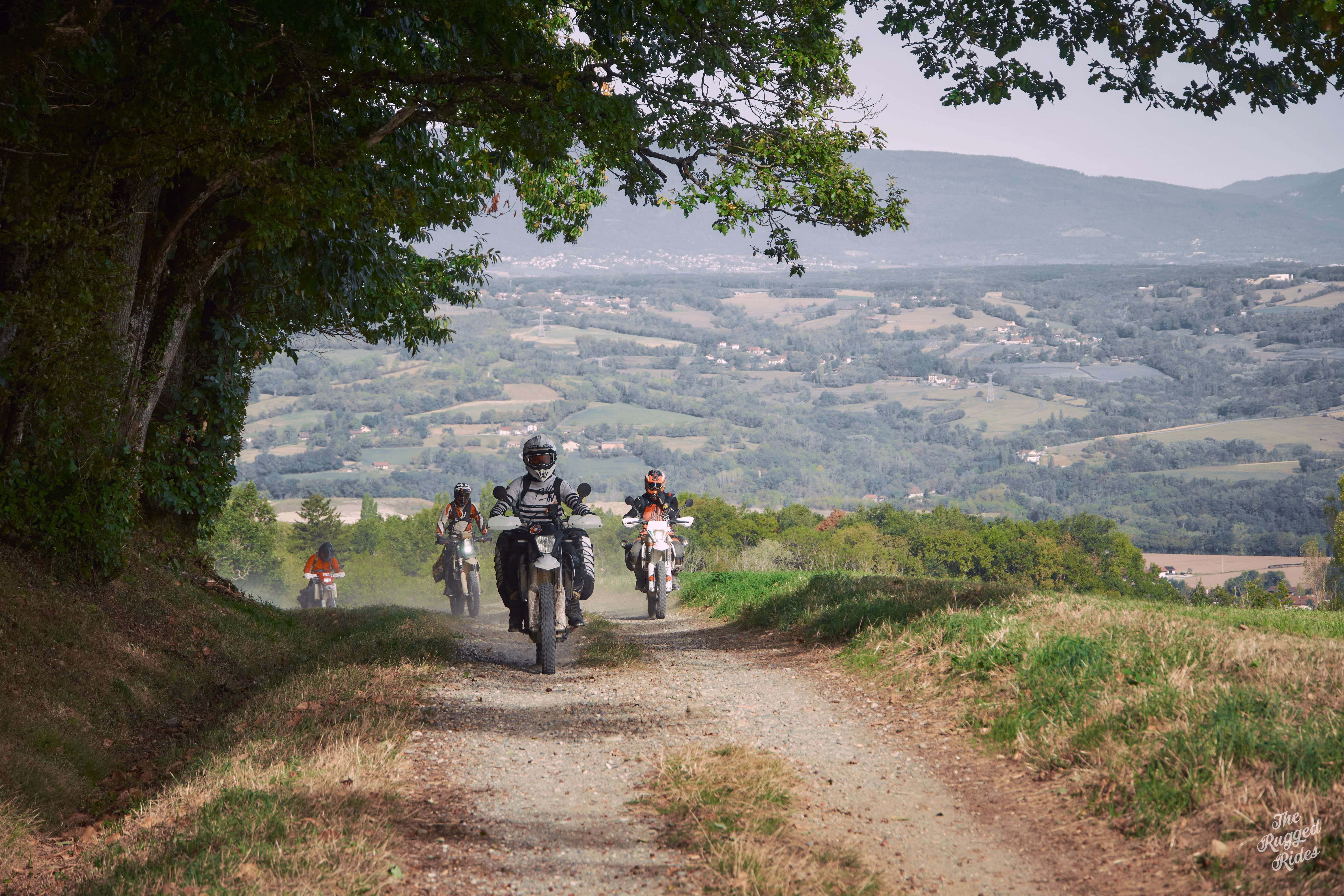
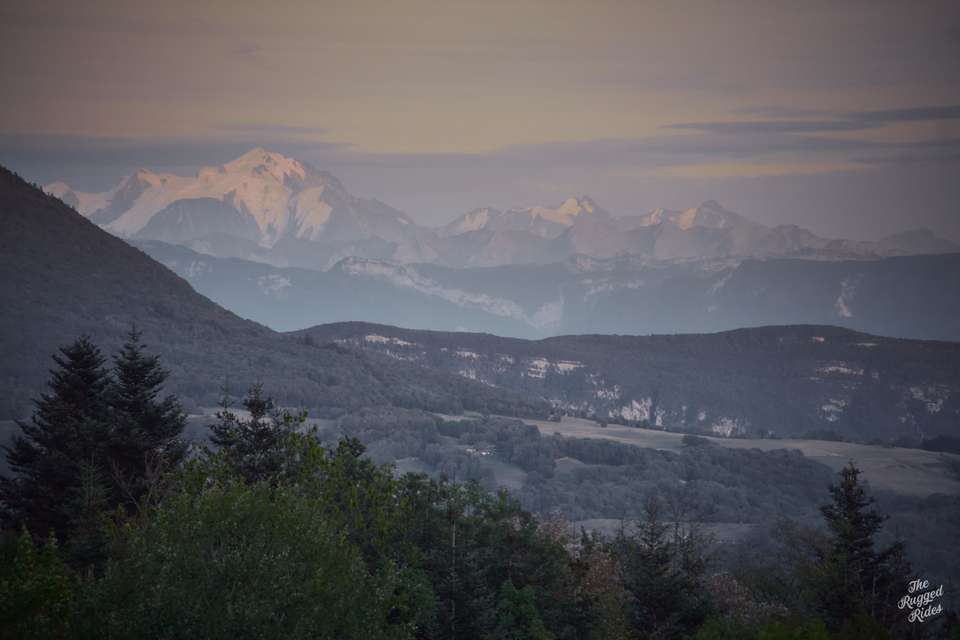
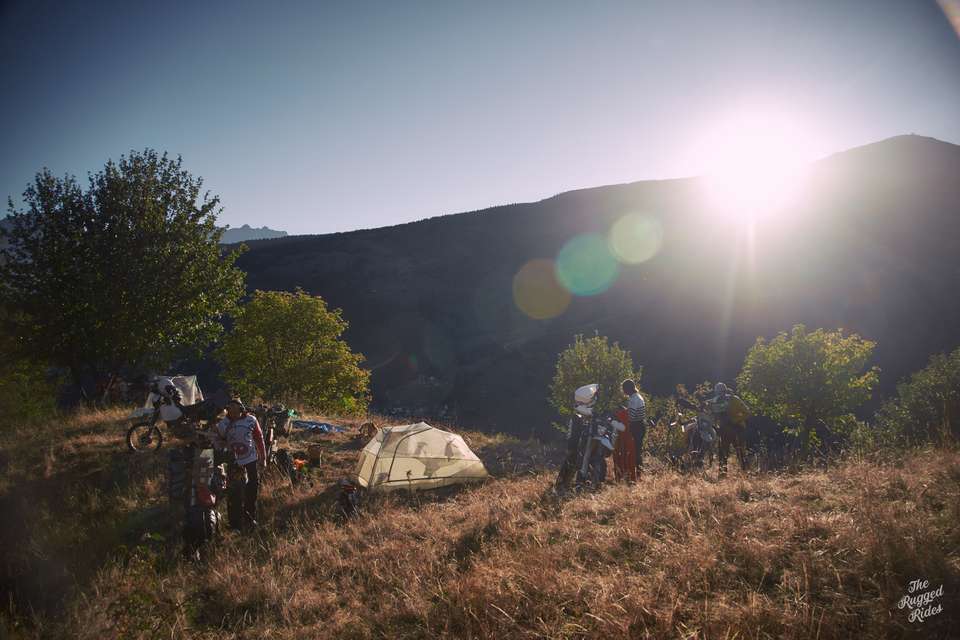
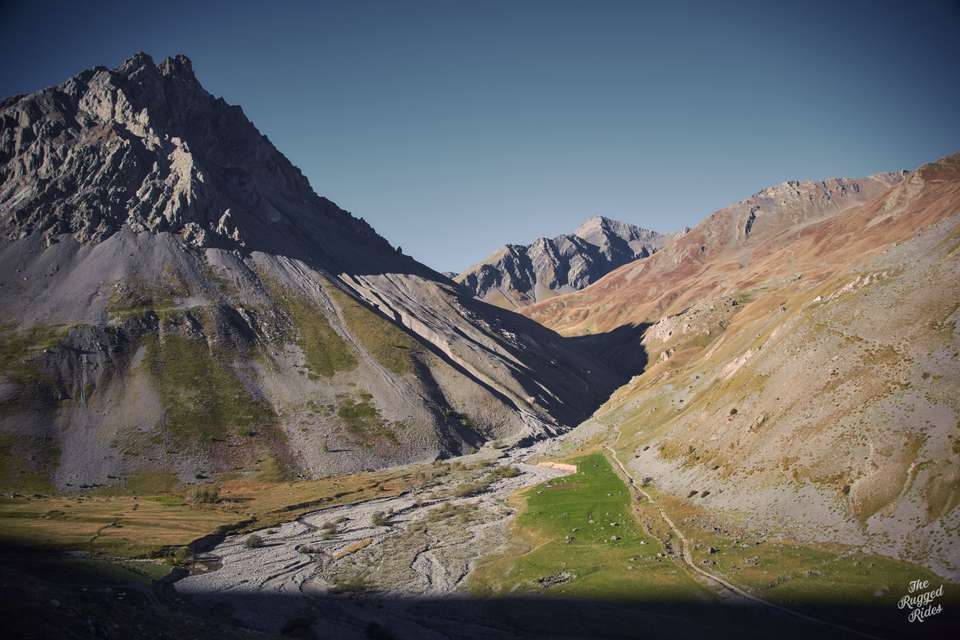
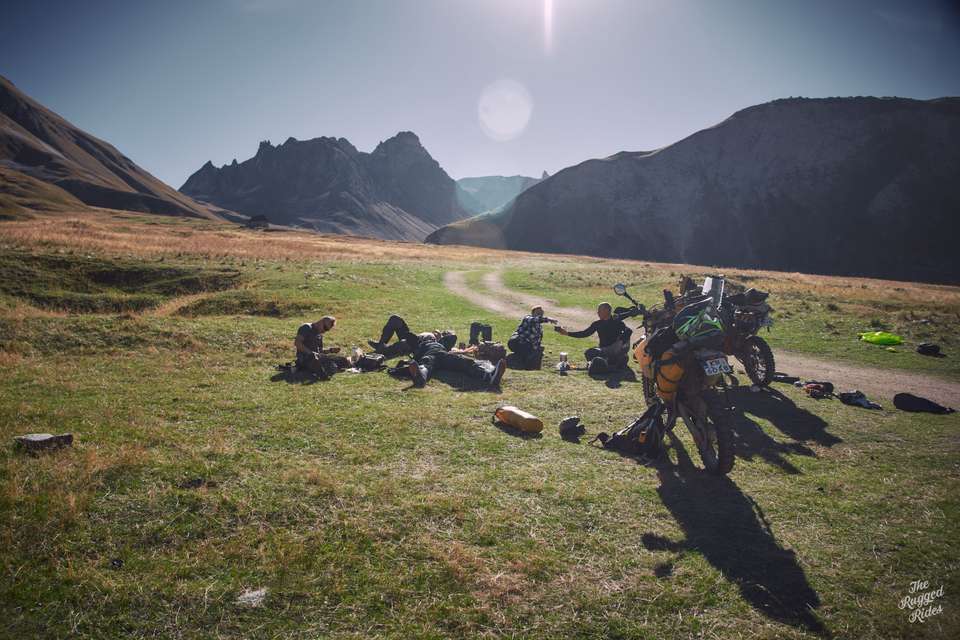
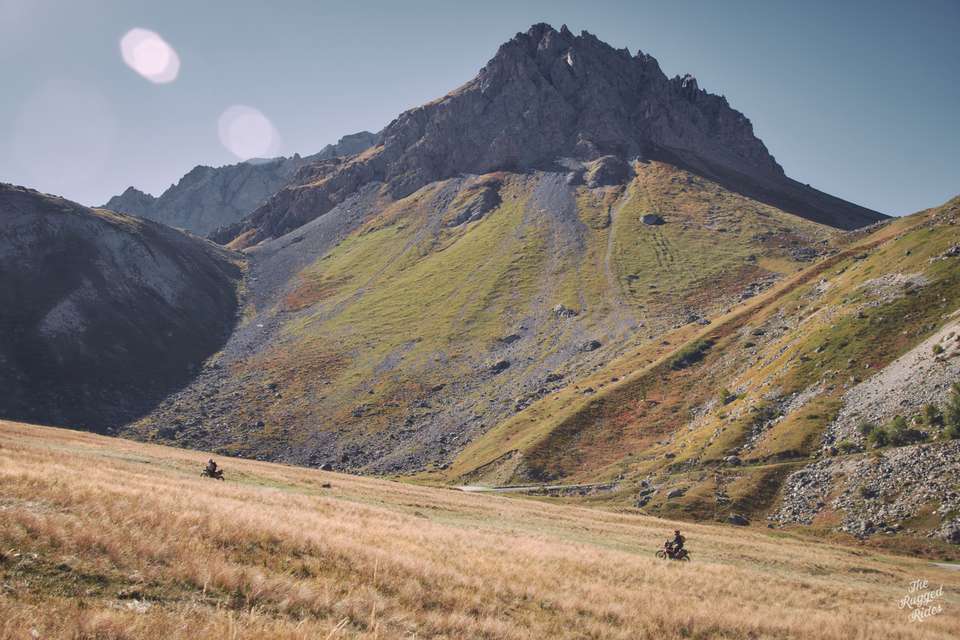
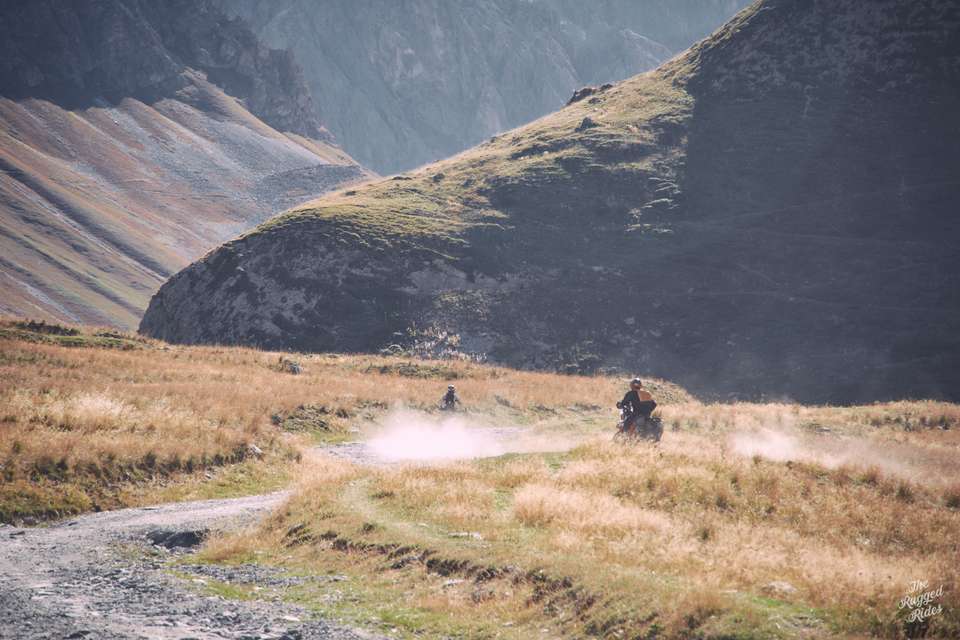
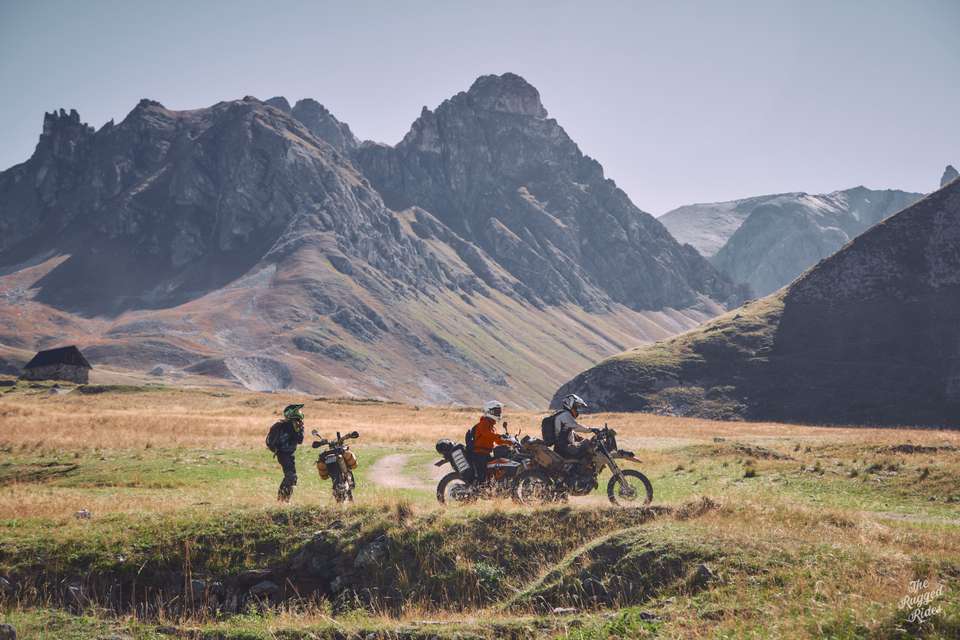
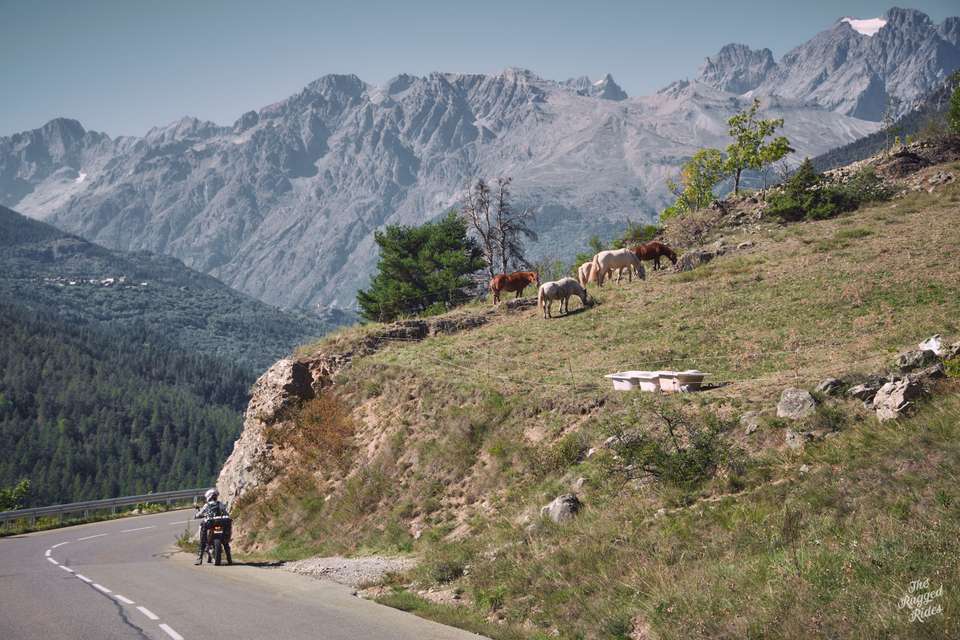
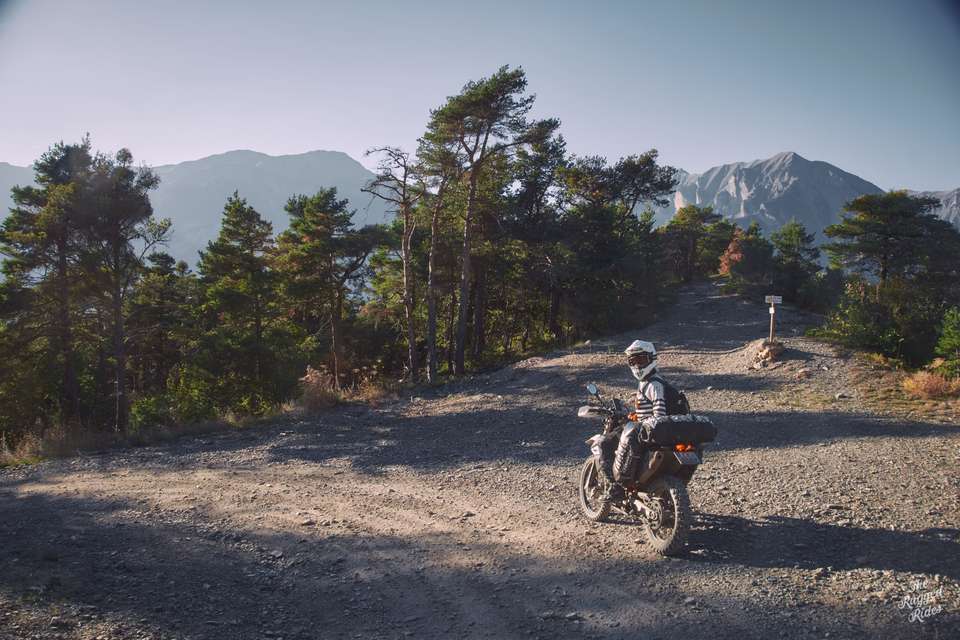
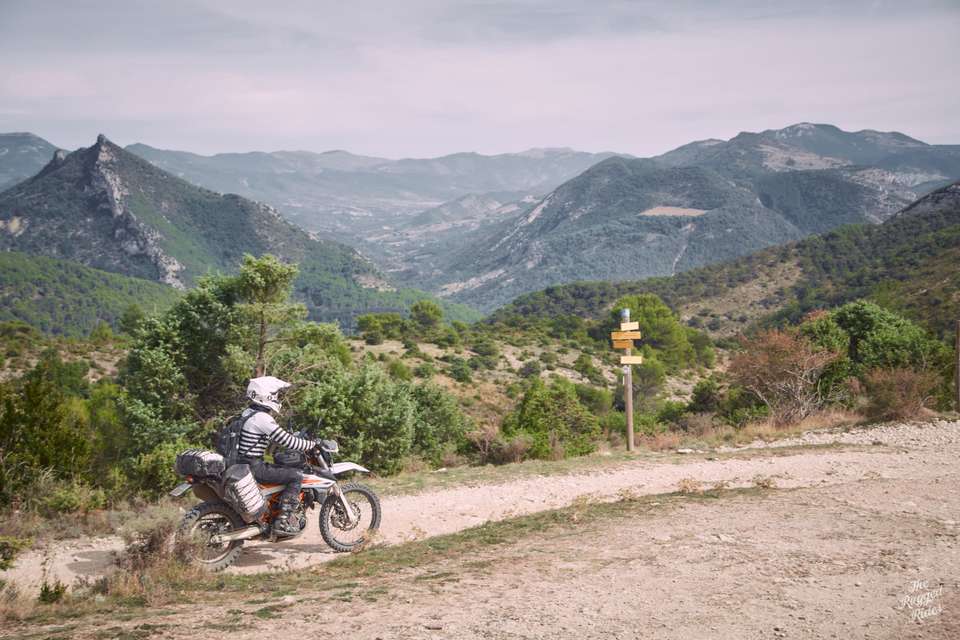
The French Alps are where off-roading becomes an indulgence for those with a particular hunger for some of the finest scenery on the continent. The old military roads linking former fortifications along the Franco-Italian border, including those around Briançon and Col du Parpaillon, are masterpieces of nineteenth-century engineering. And, as befits such masterpieces, they have retained their original, utterly brilliant form to this day: they're gravel roads.
Sadly, the modern TET gives these highest reaches of the gravelly Alps a fairly wide bypass. The reason is a landslide that buried part of the original road and damaged the Parpaillon Tunnel. Instead, we get quite a lot of tarmac at lower elevations. A real shame.
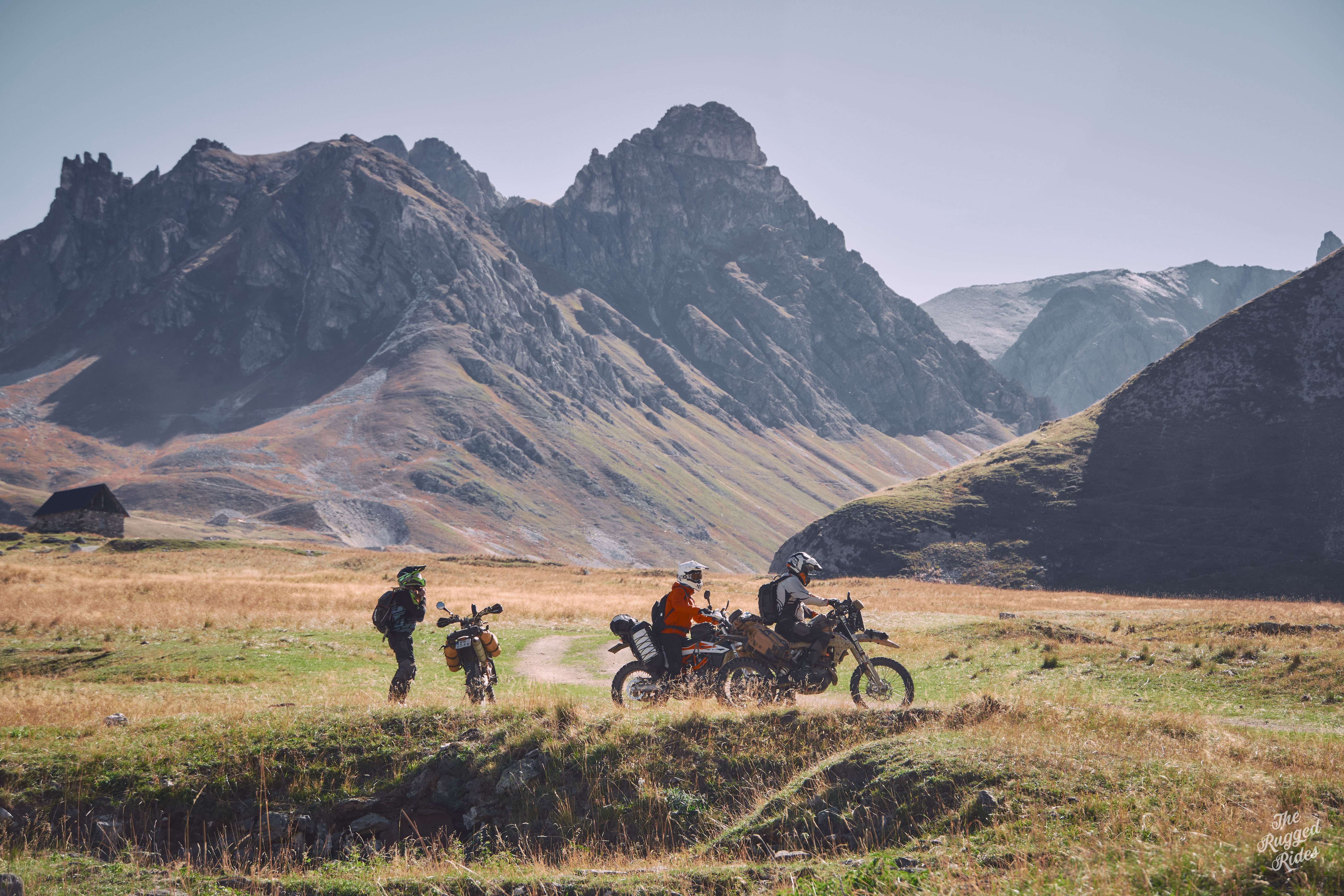
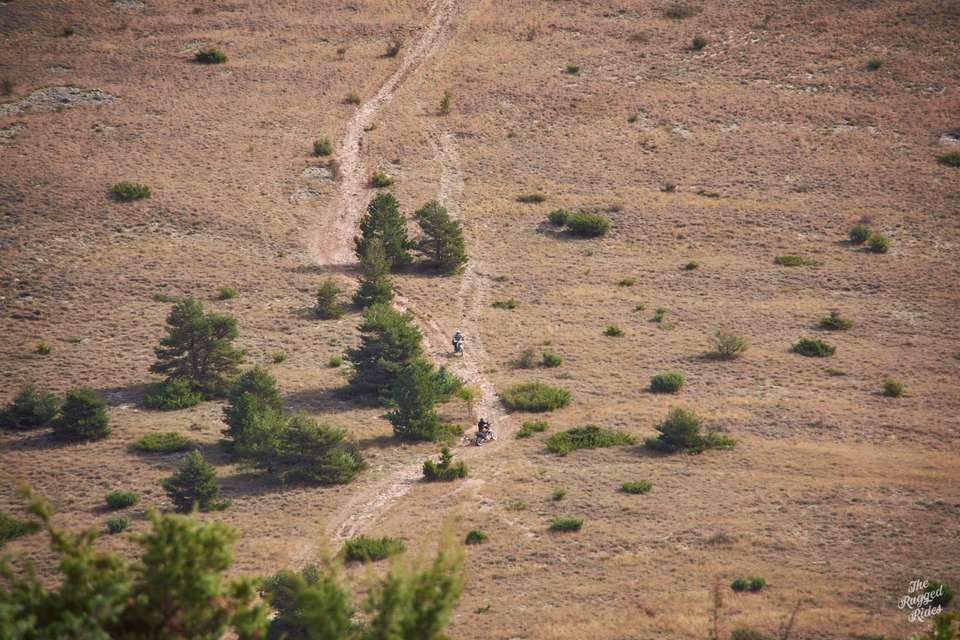
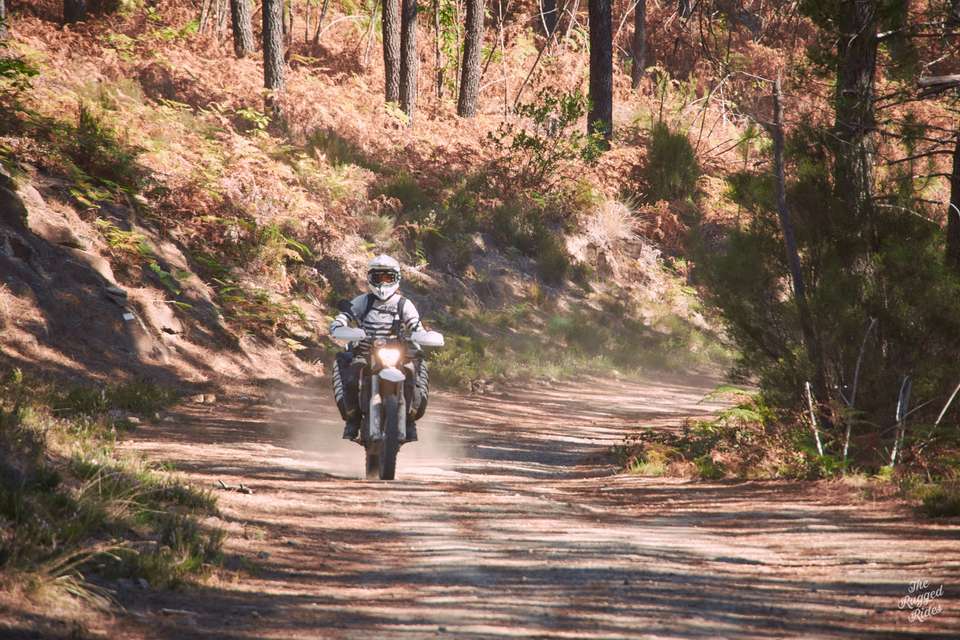
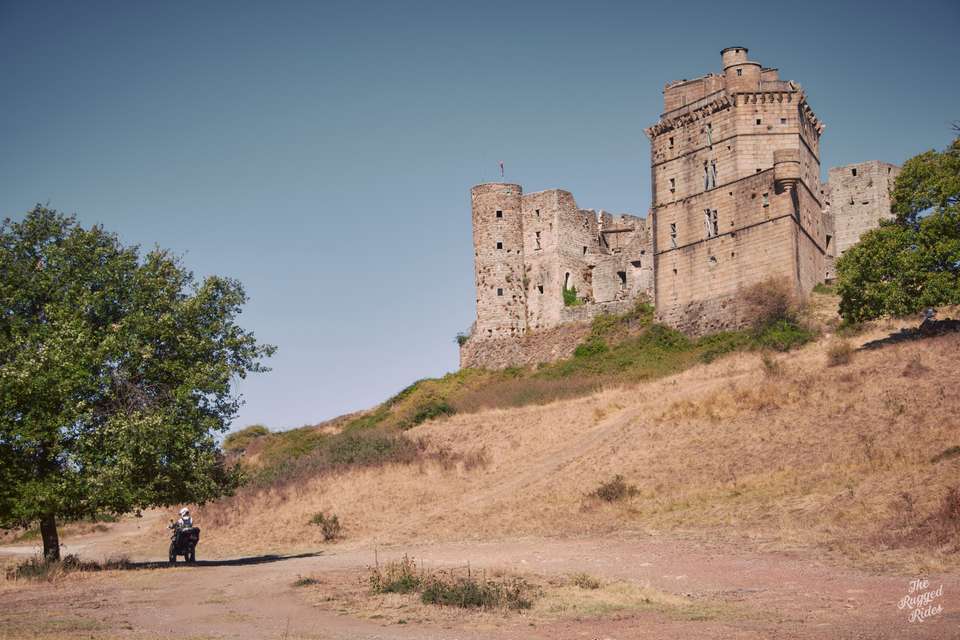
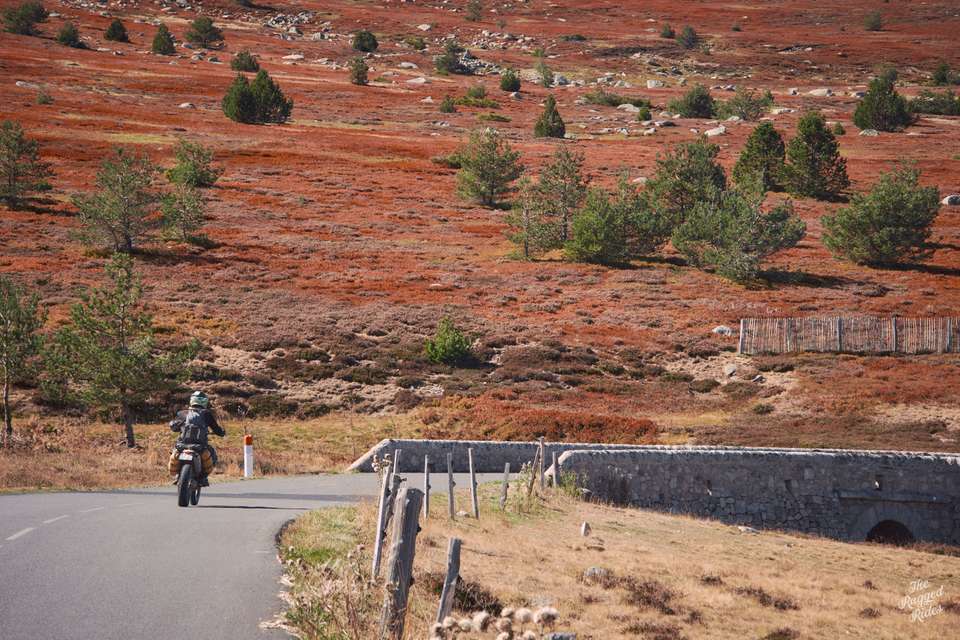
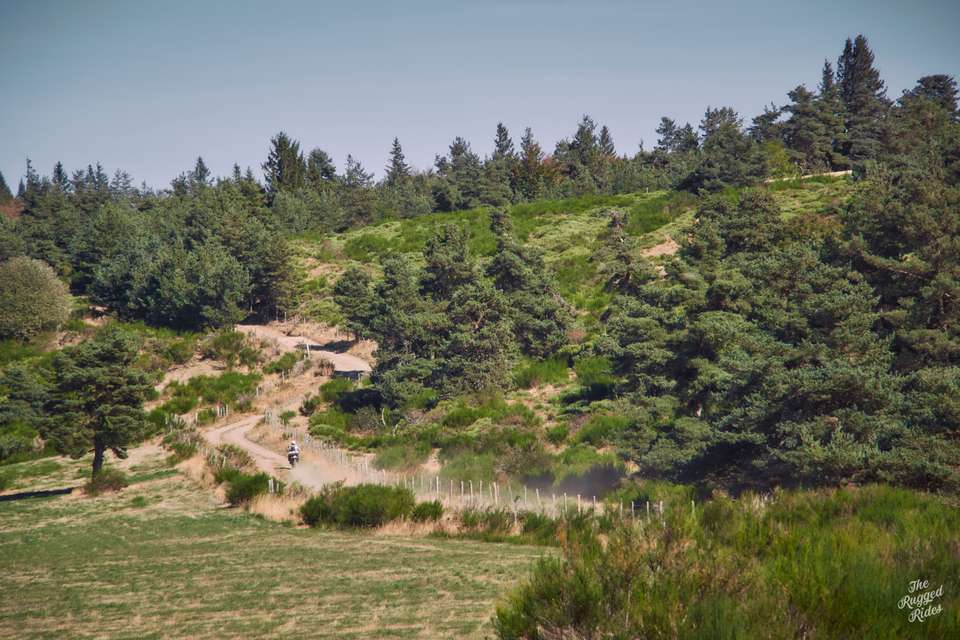
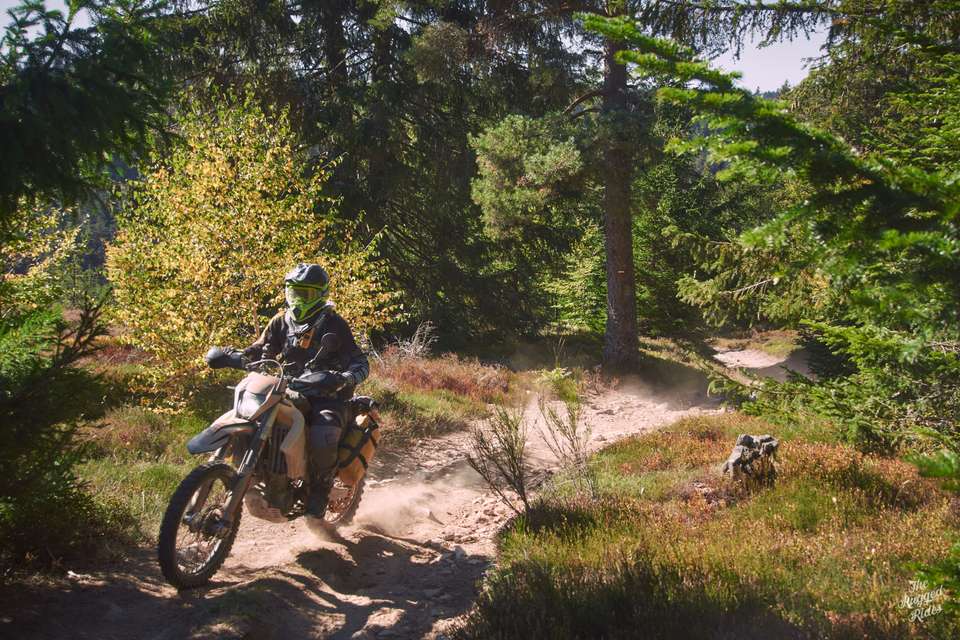
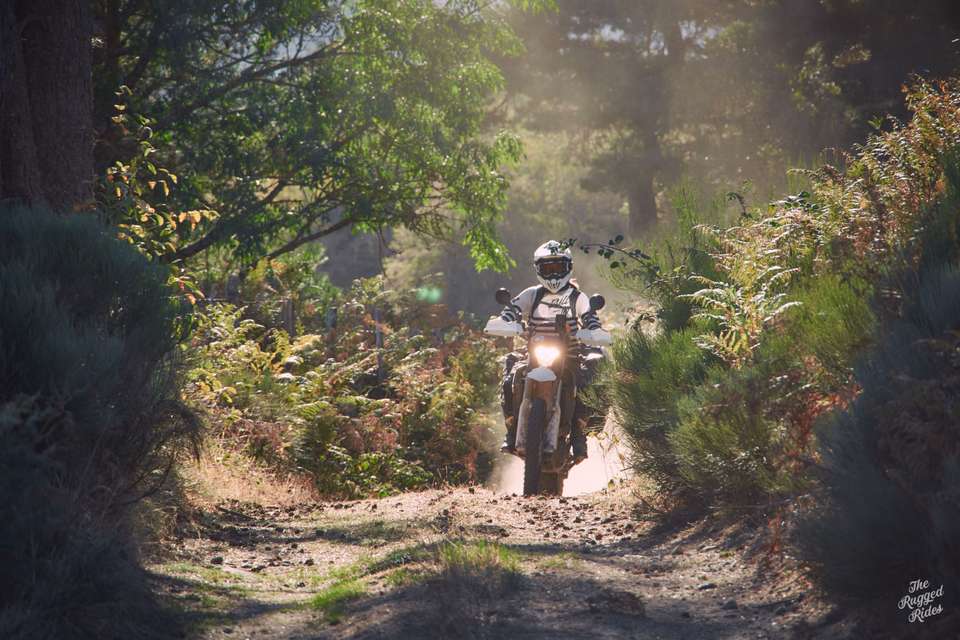
The Massif Central is a wonderful part of the world, incredibly wild and sparsely populated. Riding off-road here is less about covering distance and more about mastering the fine art of bouncing off rocks, large and small, while picking your way across granite plateaux and through dense, misty forests.
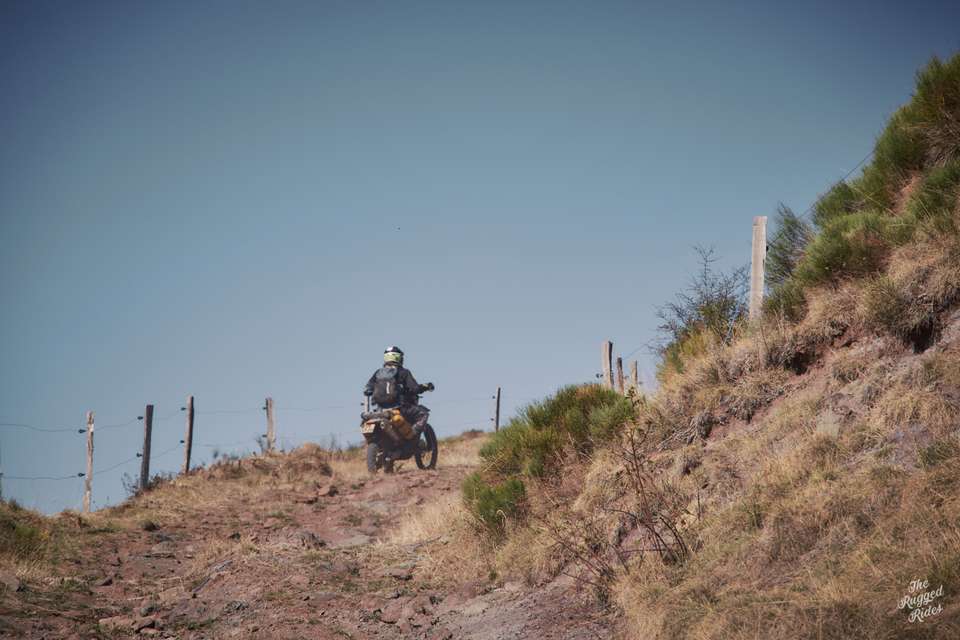
In the Cévennes, sure-footed, shod donkeys were the traditional means of getting around the mountain tracks for centuries. Much of today's routes follows those same old drovers paths. Some of the rocky climbs can turn out to be rather more demanding than they first appear. The landscape is dressed in pale shades of limestone, while the air carries the scent of cedar forests.
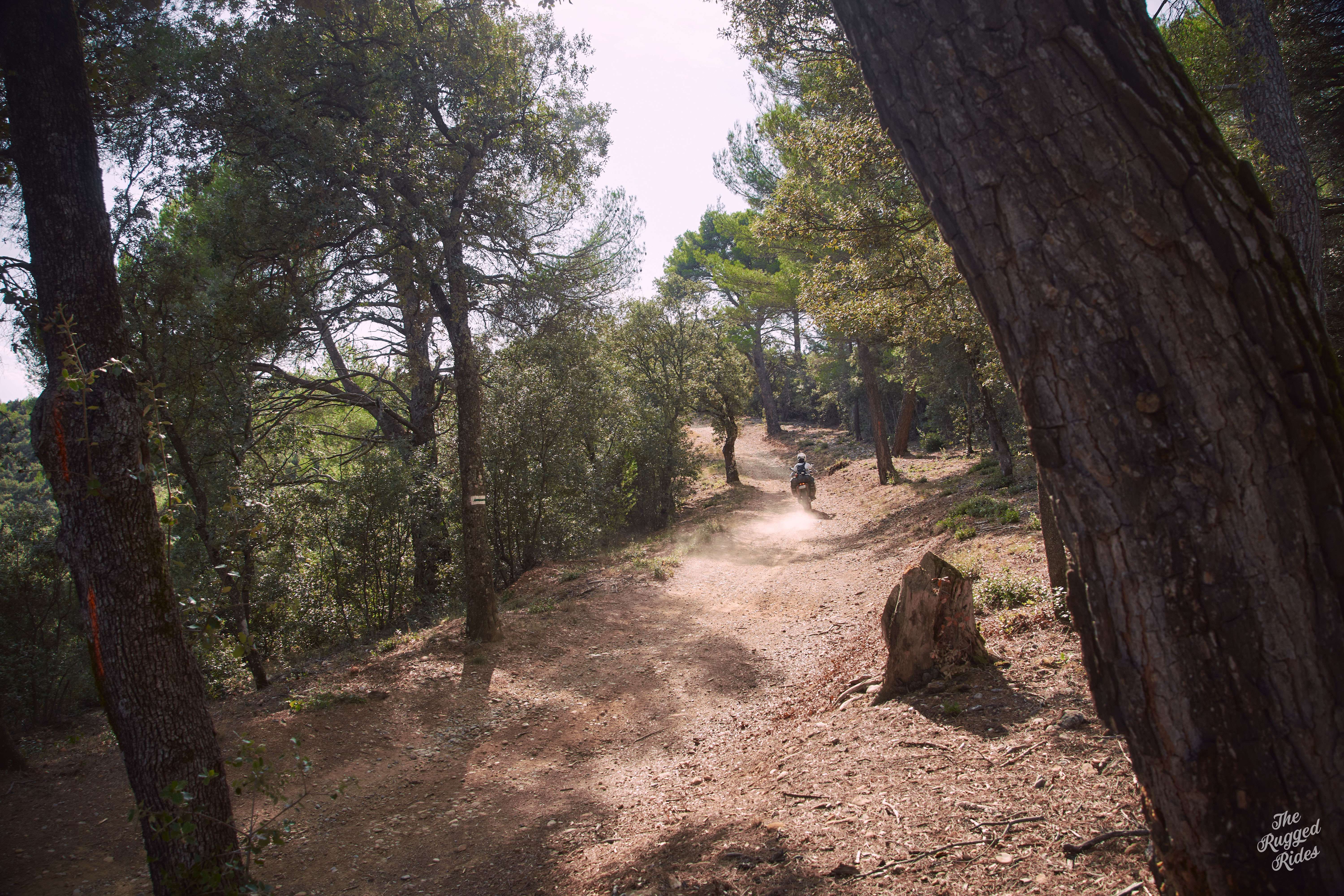
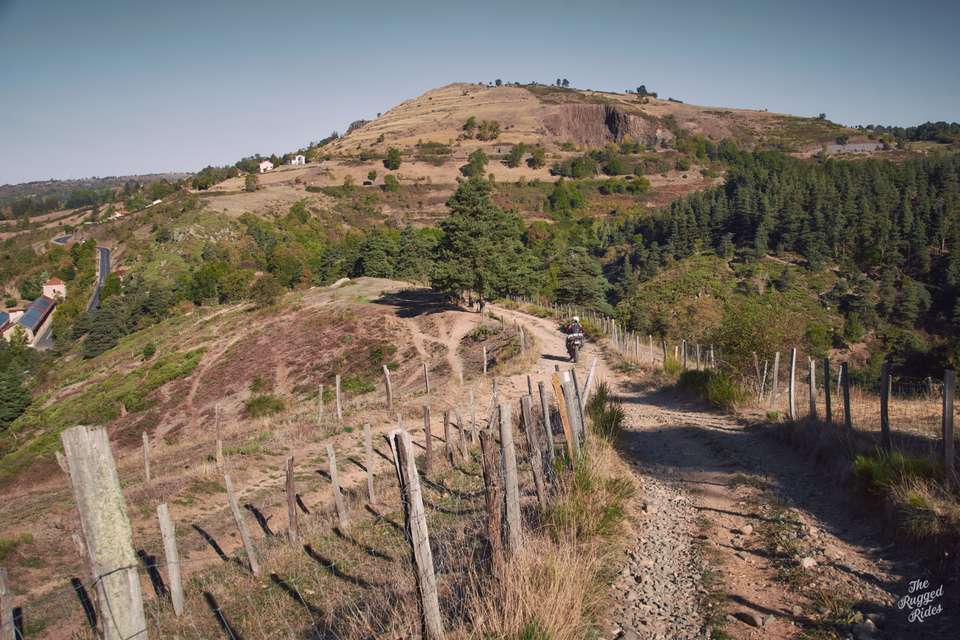
The Auvergne region is home to a whole chain of extinct volcanoes, dozens of them, covered in velvety green grass and a distinctive dark dust of basalt. What makes them particularly fascinating is that the volcanoes of Auvergne are geologically young, yet today they appear to be completely dormant. In the Chaîne des Puys area, the last eruptions took place roughly 6,000–7,000 years ago. In geological terms, that's practically yesterday.
It’s deserted everywhere. A student doing an exchange programme here lets us in on a little secret. This place was once full of life, its fortunes tied to the local mine and the industry that grew around it. But, much like in other parts of central France, the mine eventually closed, and with it, whole generations of young people left for the bigger cities, leaving the place a shadow of what it once was.
So, is there a conclusion to be drawn from all this? France, and the TET here in particular, is a remarkably varied business. One day you'll come across superb single tracks or narrow, rocky roads, the next, you might find yourself getting thoroughly bored on tarmac.
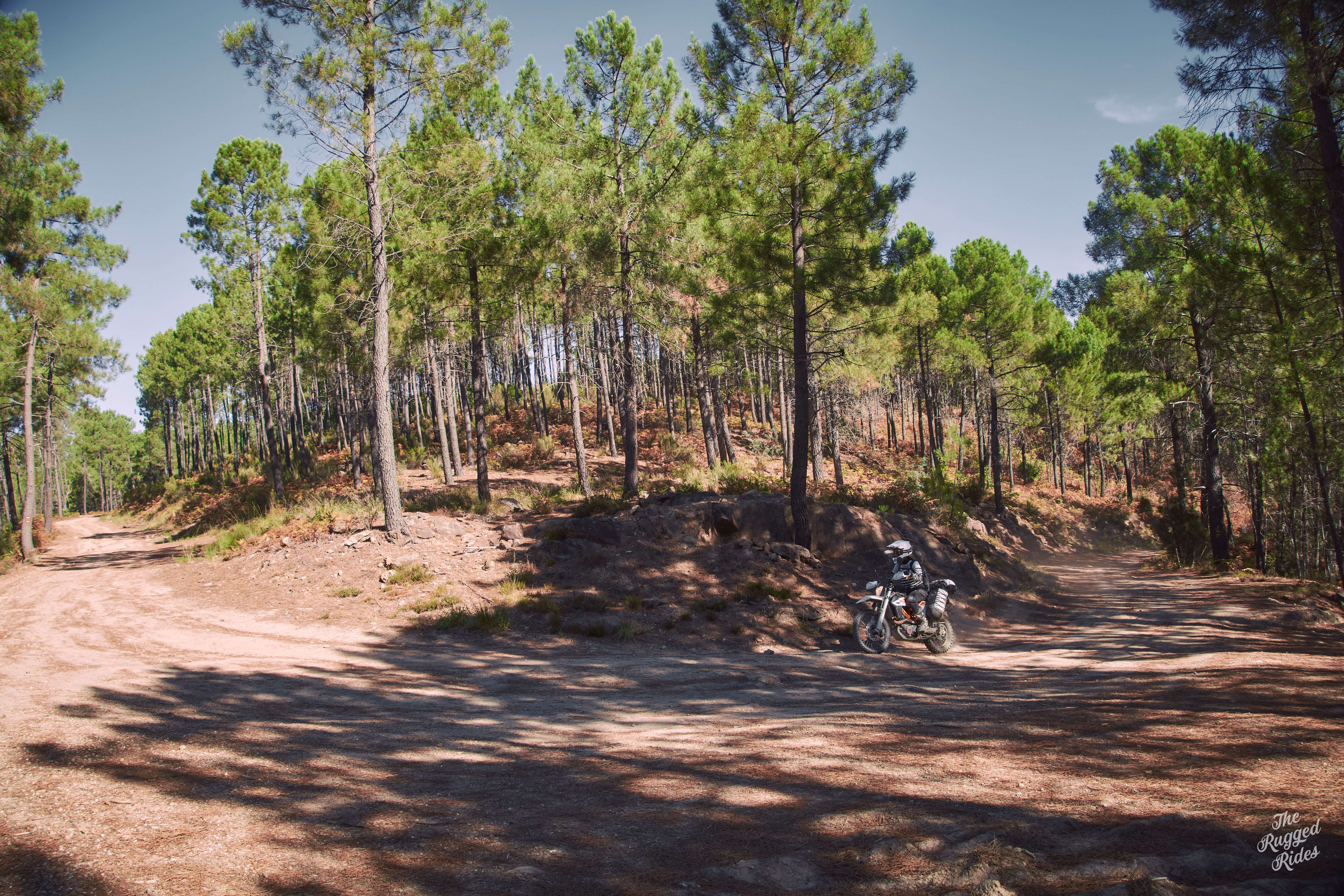
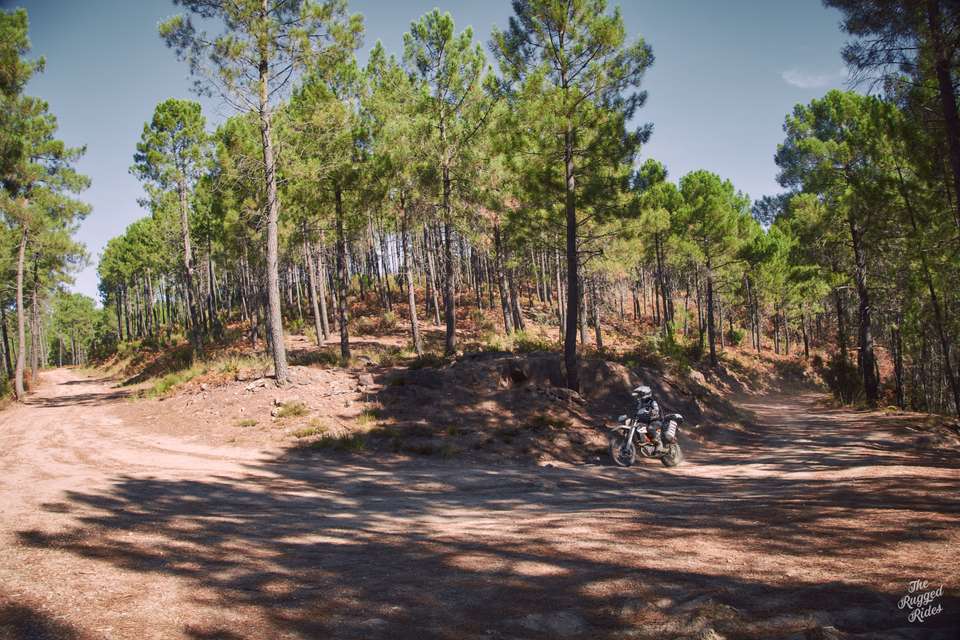
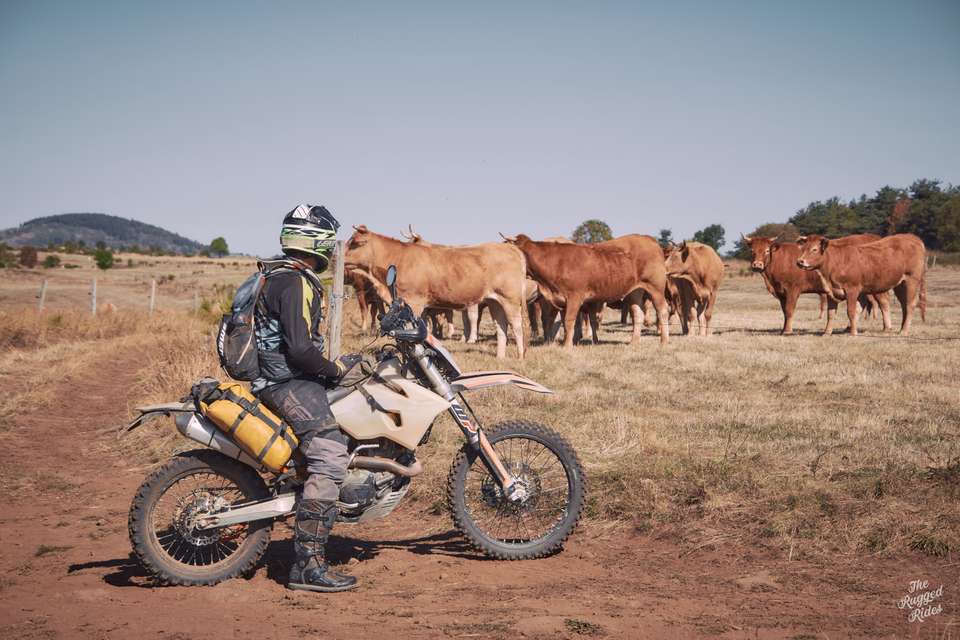
But I'l leave you with one important piece of local wisdom: in France, the guiding principle is "If it's passable, it's permitted" (Si c'est carrossable, c'est autorisé). If a track is wide enough for an ordinary vehicle and there's no sign prohibiting access, you're good to go. However, if you stray onto a private meadow, a local farmer armed with a pitchfork and a formidable command of French rhetoric will explain your mistake in a matter of seconds. I must say, I rather admire that!
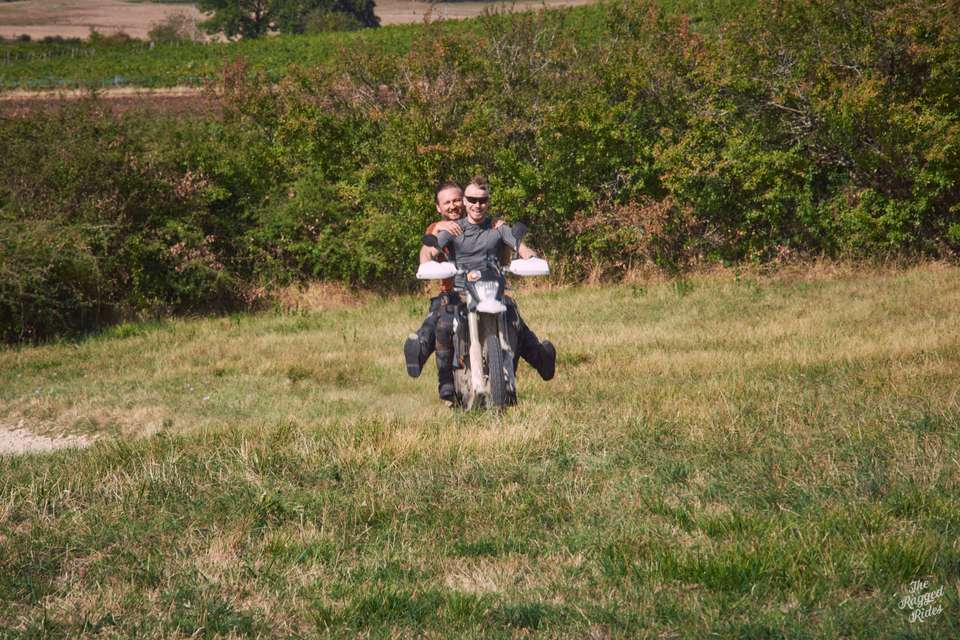
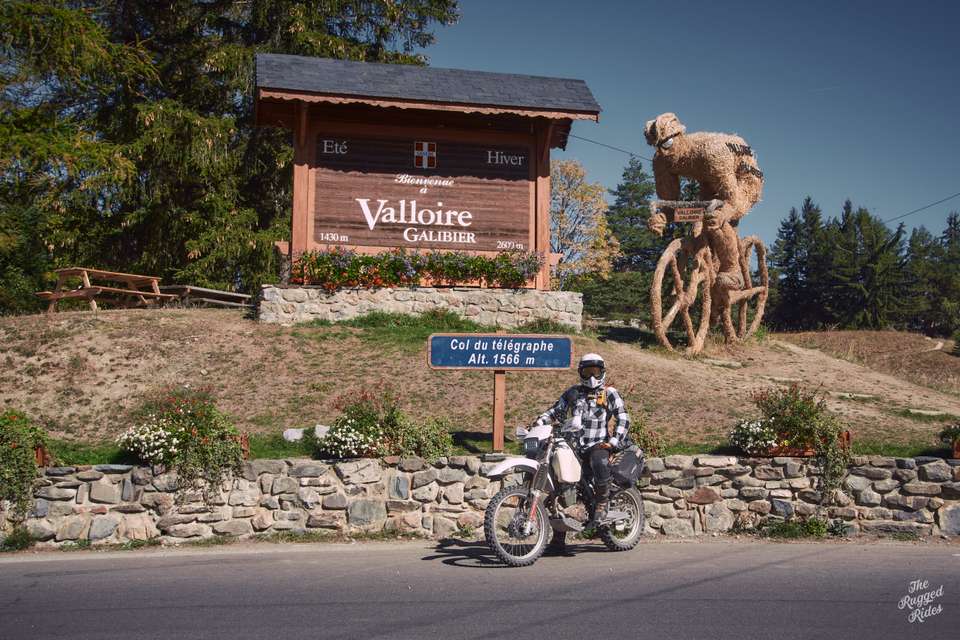
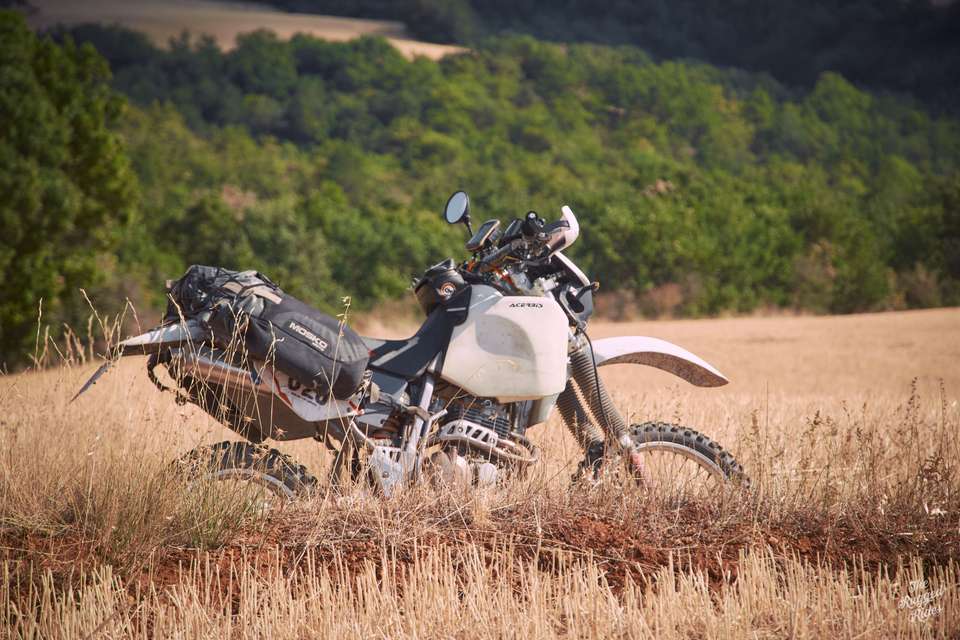
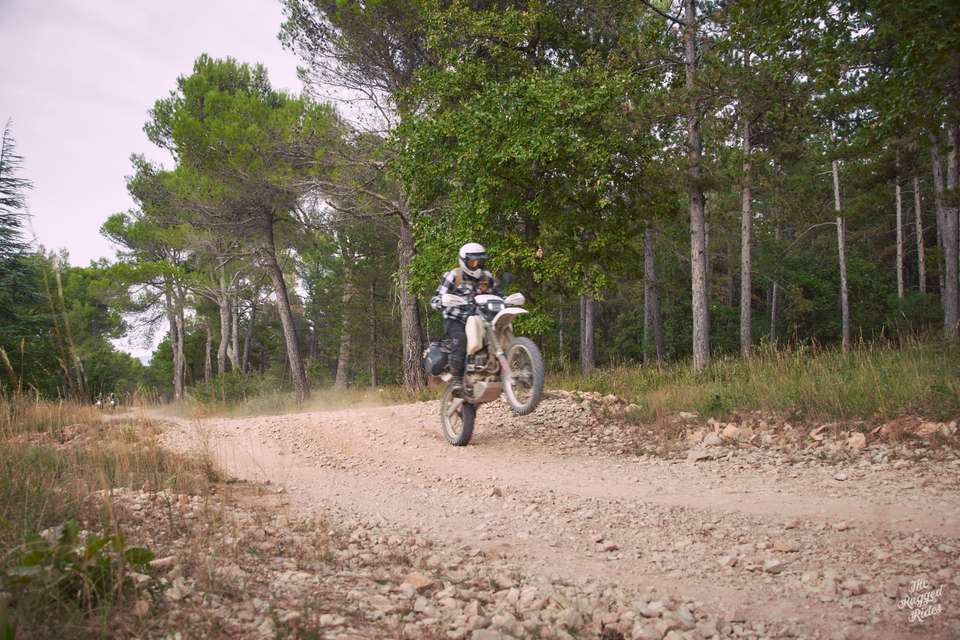
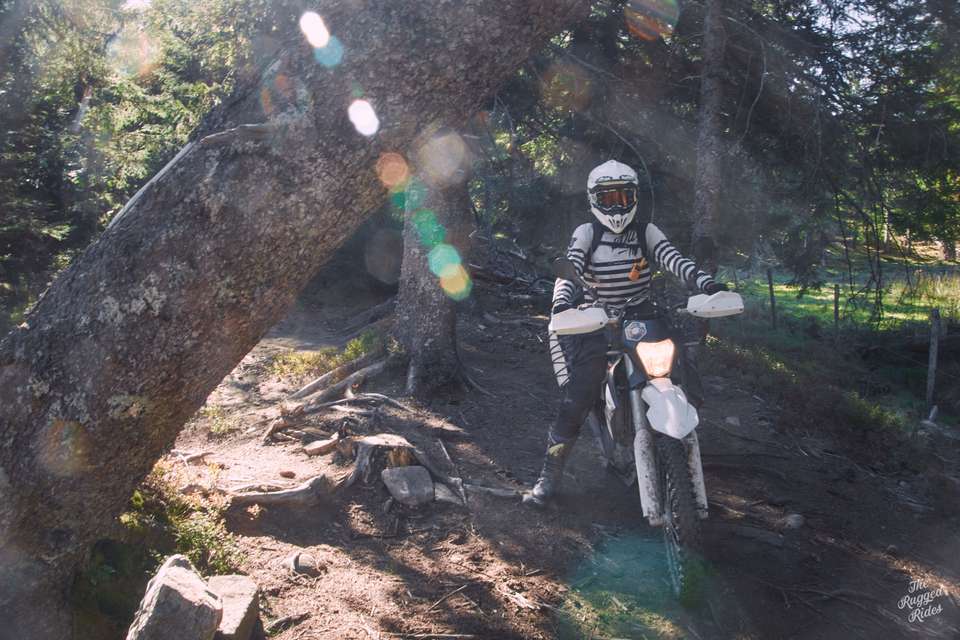
PS. Yes, you’re seeing it right - that's Cherry Lady on her first proper trip. More on that another time, but for now, all I can say is: bloody brilliant!
Leave a comment