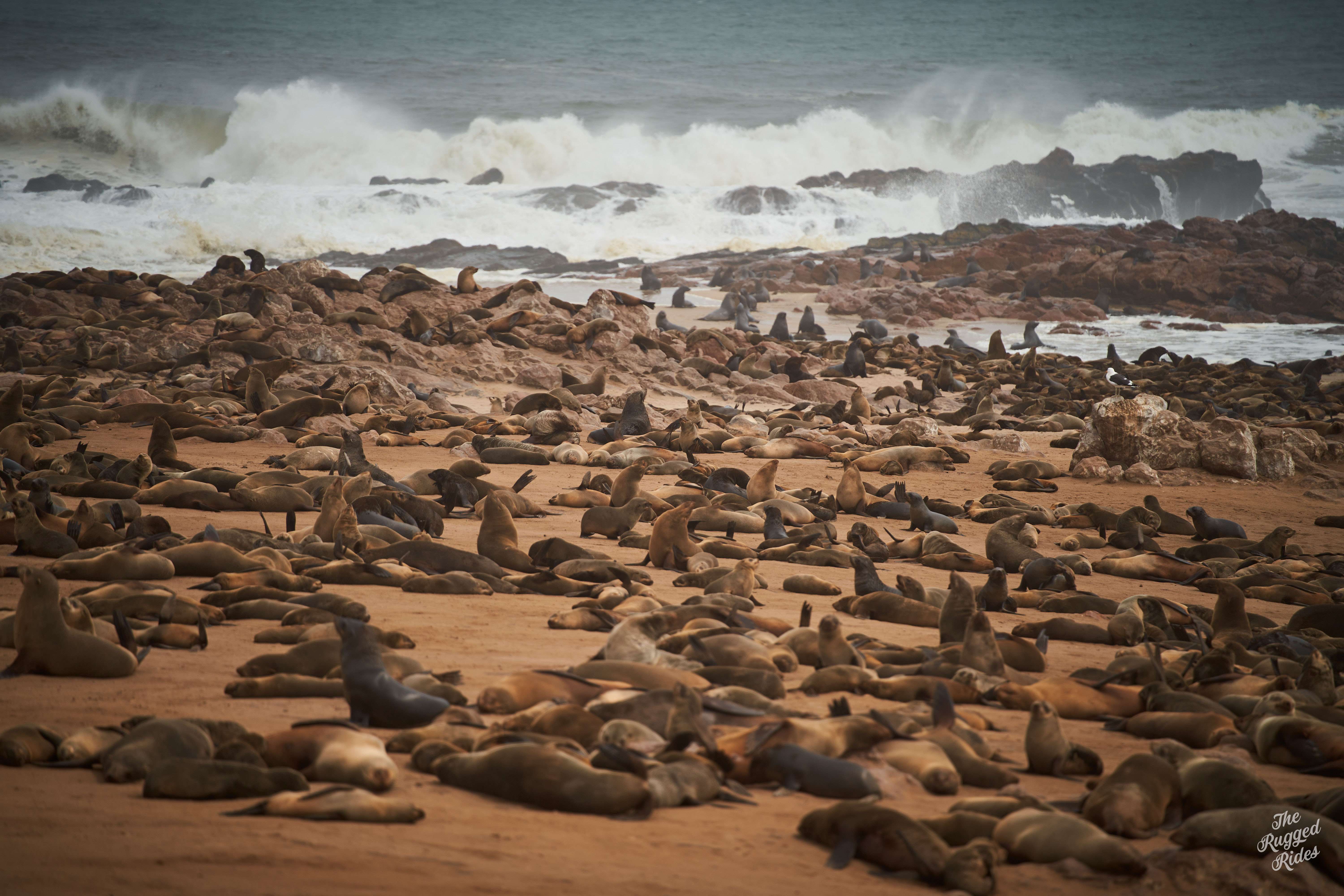
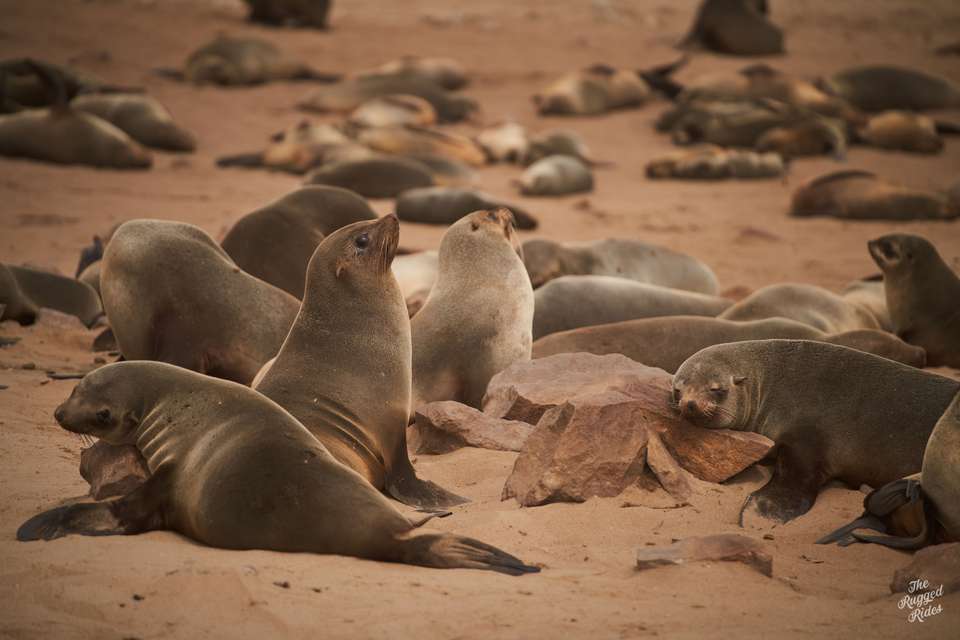
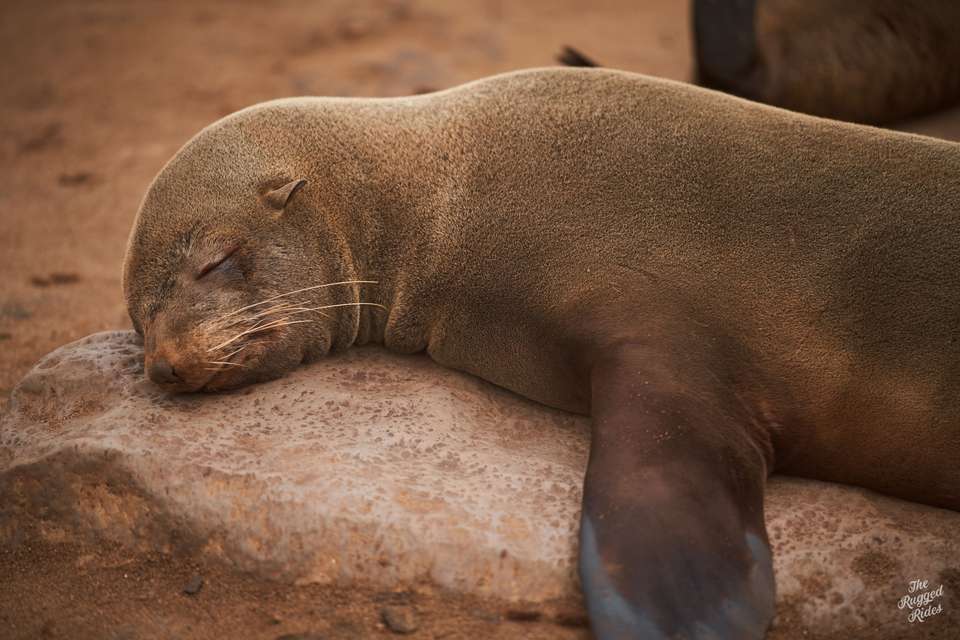
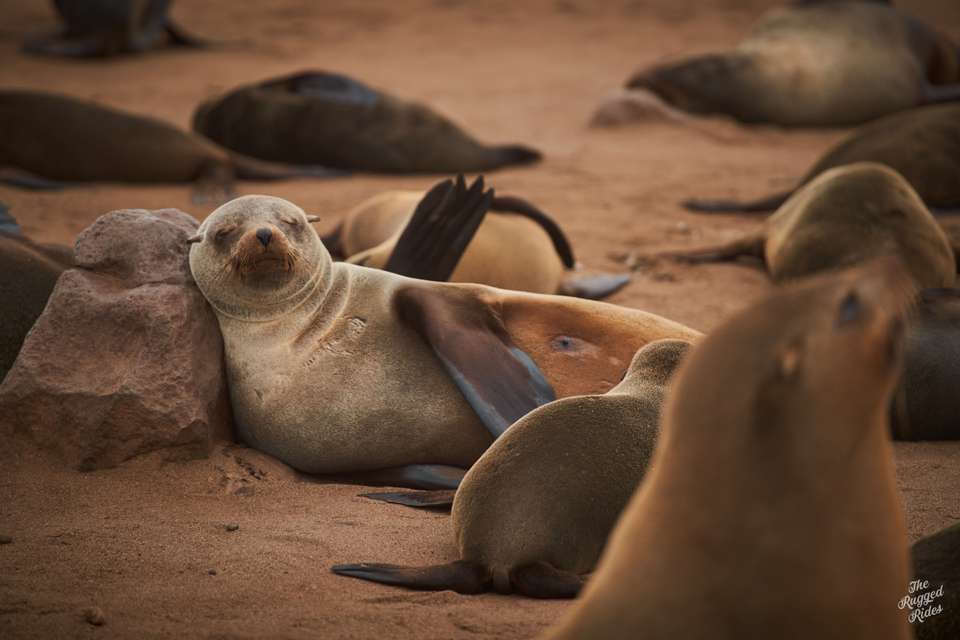
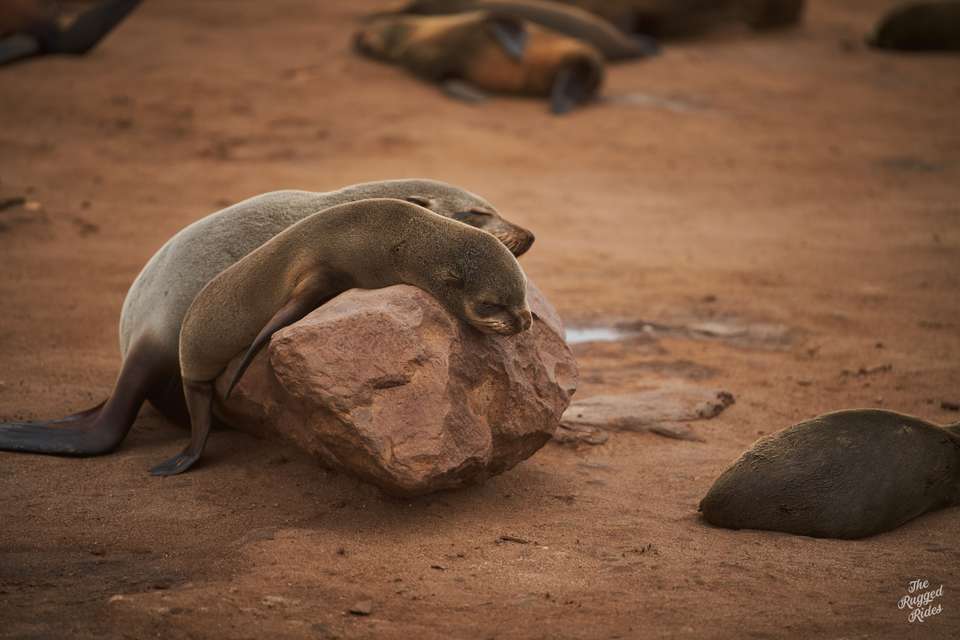
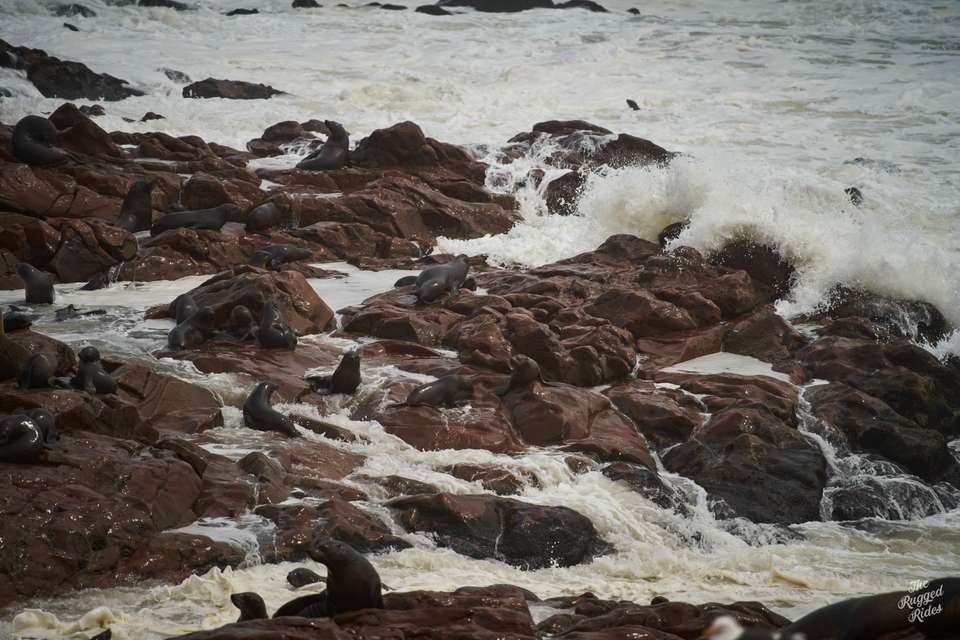
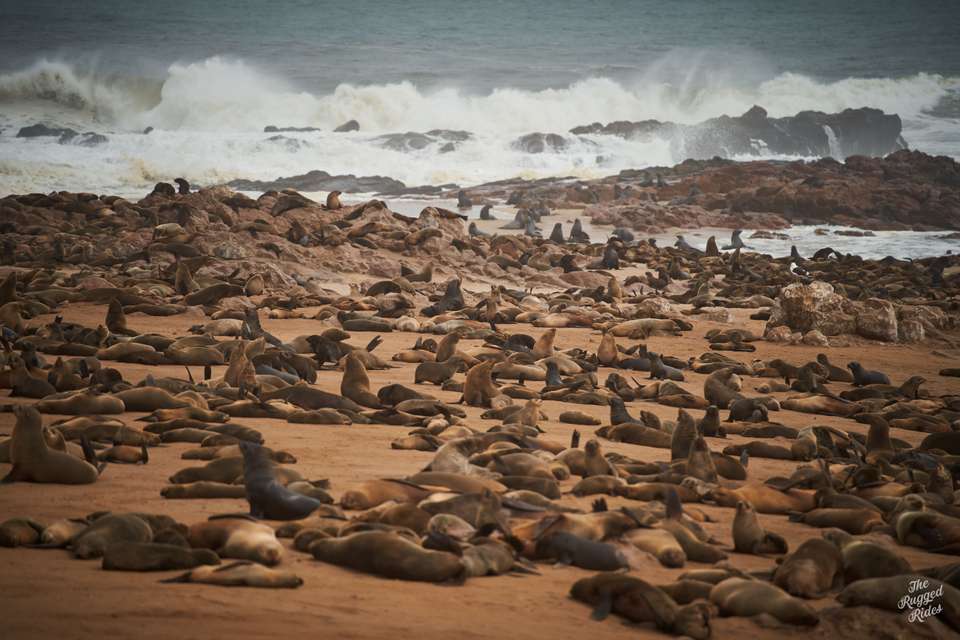
The Atlantic looks like a nightmare cloud of fog and it's freezing cold. No wonder the fur seals picked this place, they basically took over a whole chunk of the coast and set the biggest seal metropolis on Earth: Cape Cross. They say there are up to 250k of these little creatures here.
A friend of mine who's a biologist told: a fur seal isn't a seal-seal, it's a close cousin from another pinniped family.
And from my own observations? They are painfully lazy. Most of them are asleep or just rolling over into yet another sleeping position, yawning like crazy. And if they finally wake up, they immediately start screaming at the ones that aren't sleeping, arguing. The noise is insane, and the smell... truly unforgettable in the worst possible way. I've decided I never want to be a fur seal, not even in my next life. We only spend a few minutes there, but our clothes stink for two days.
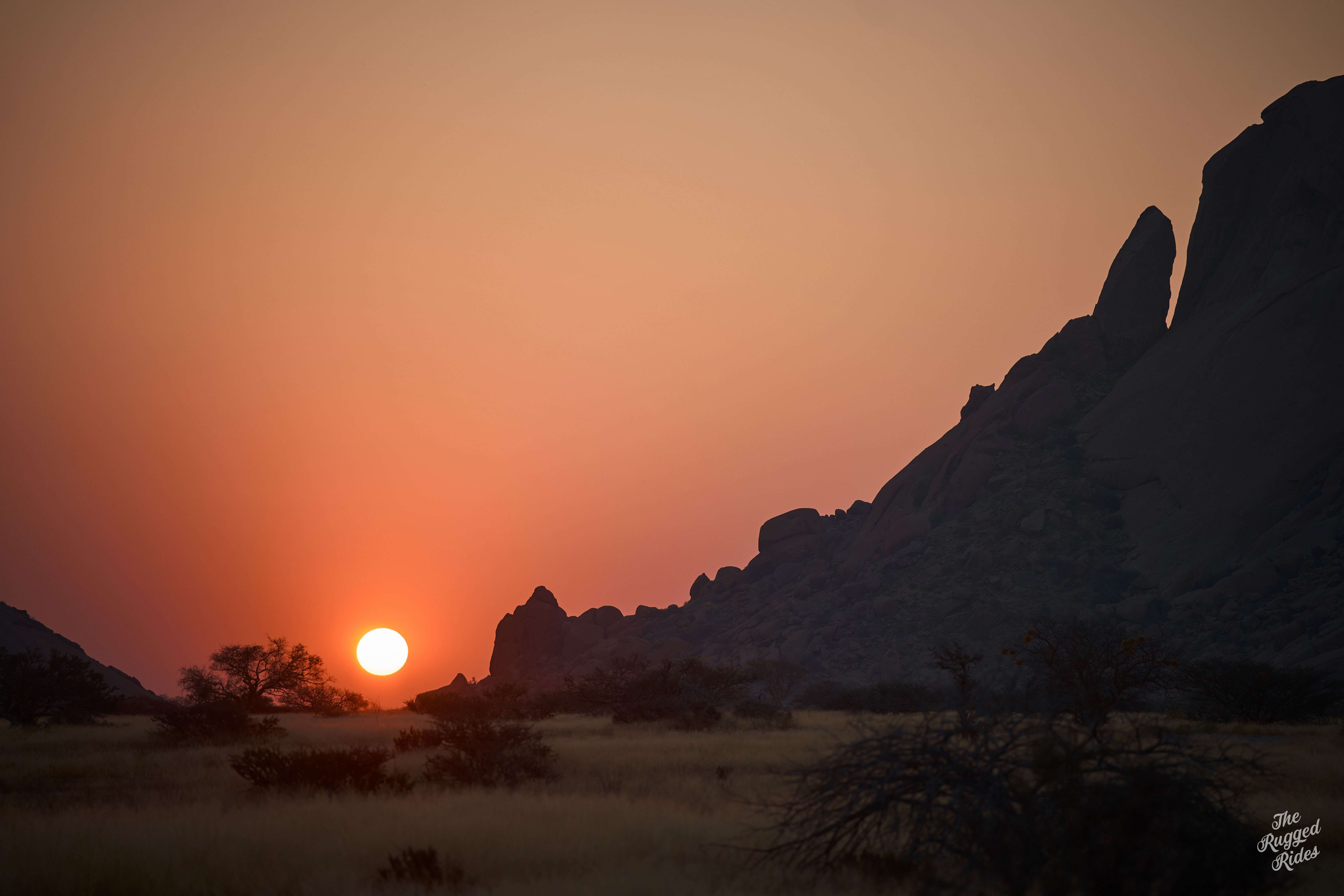
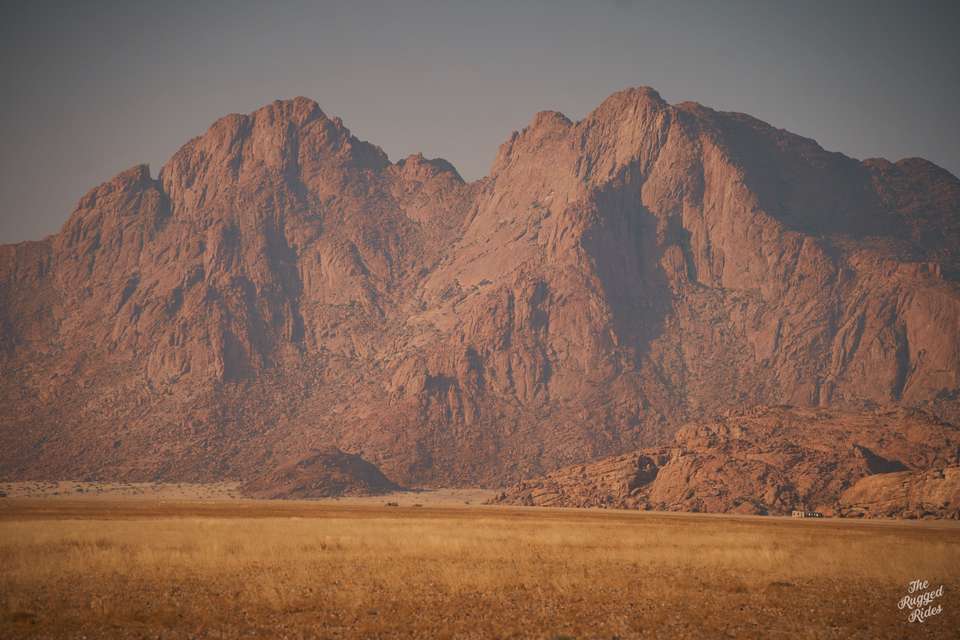
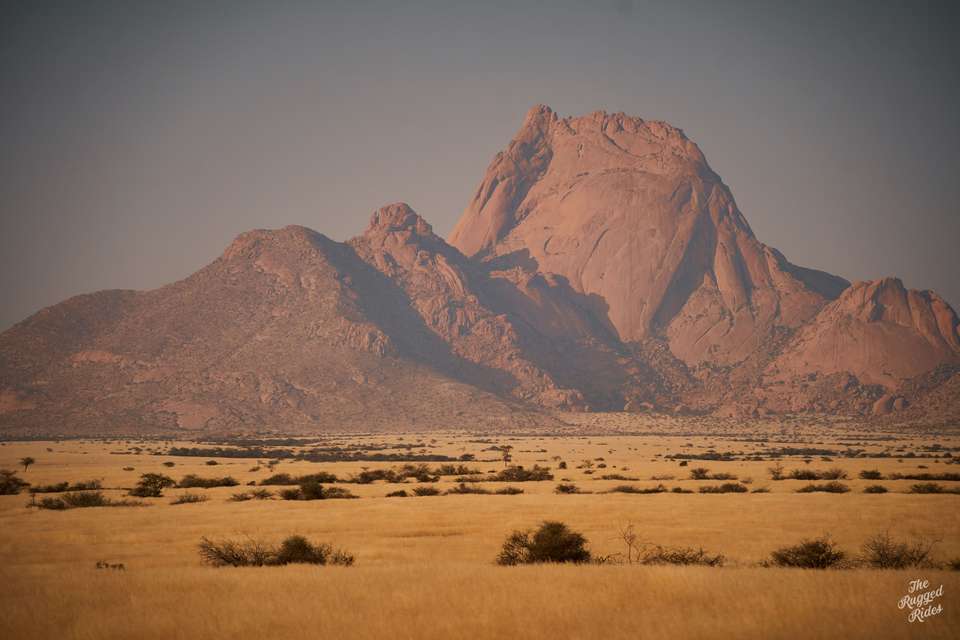
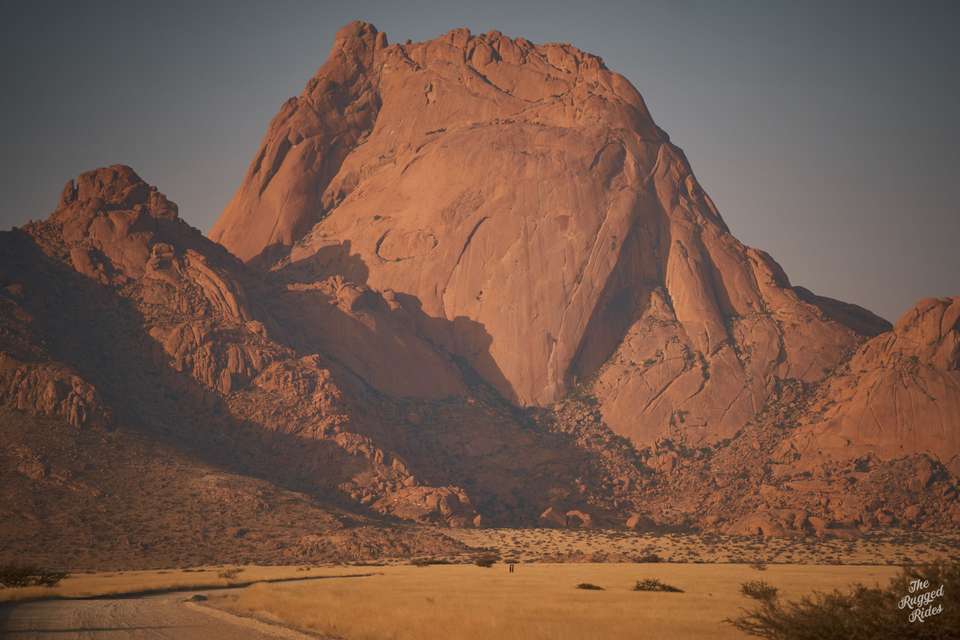
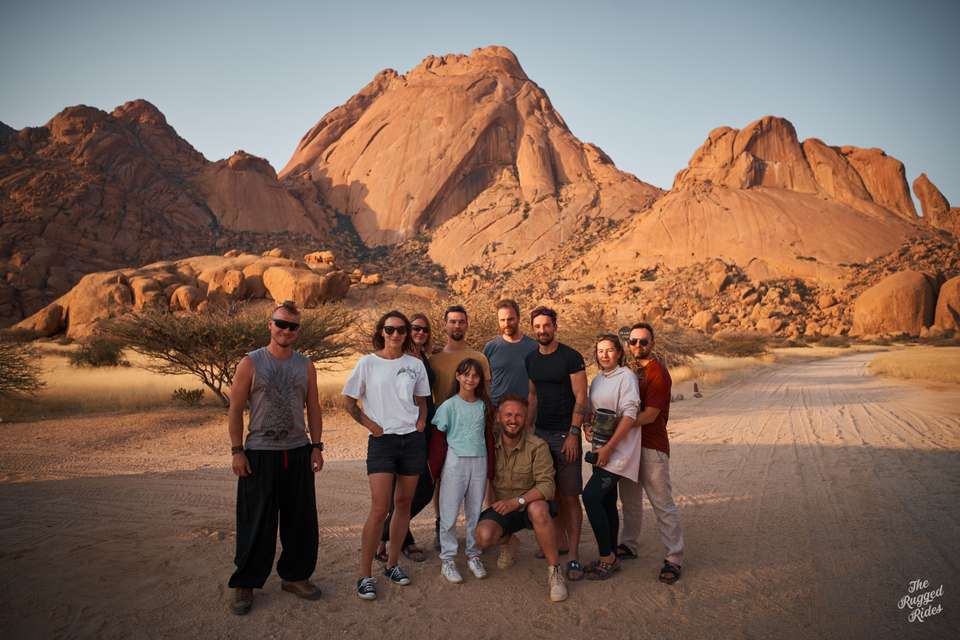
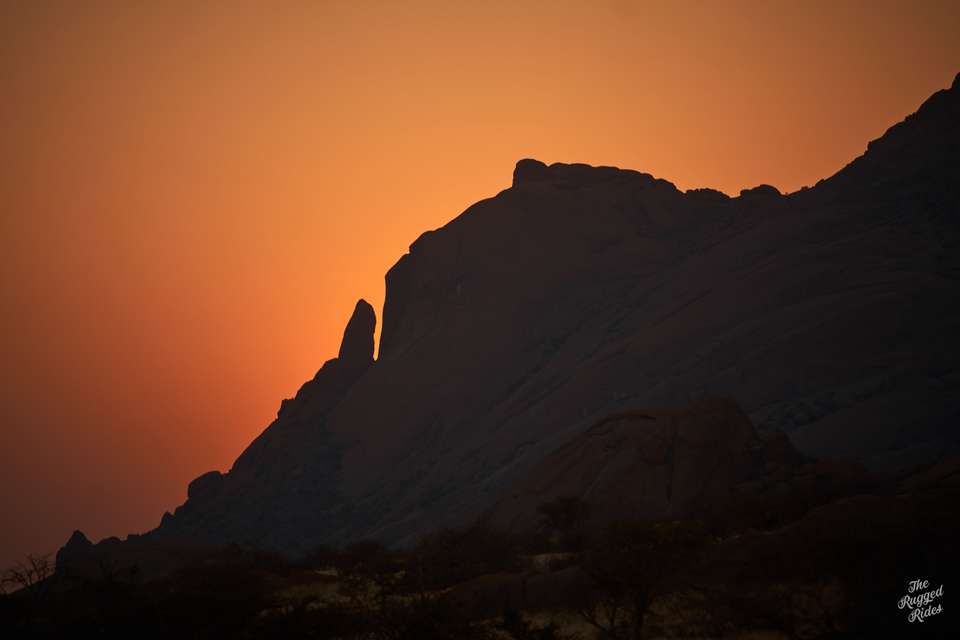
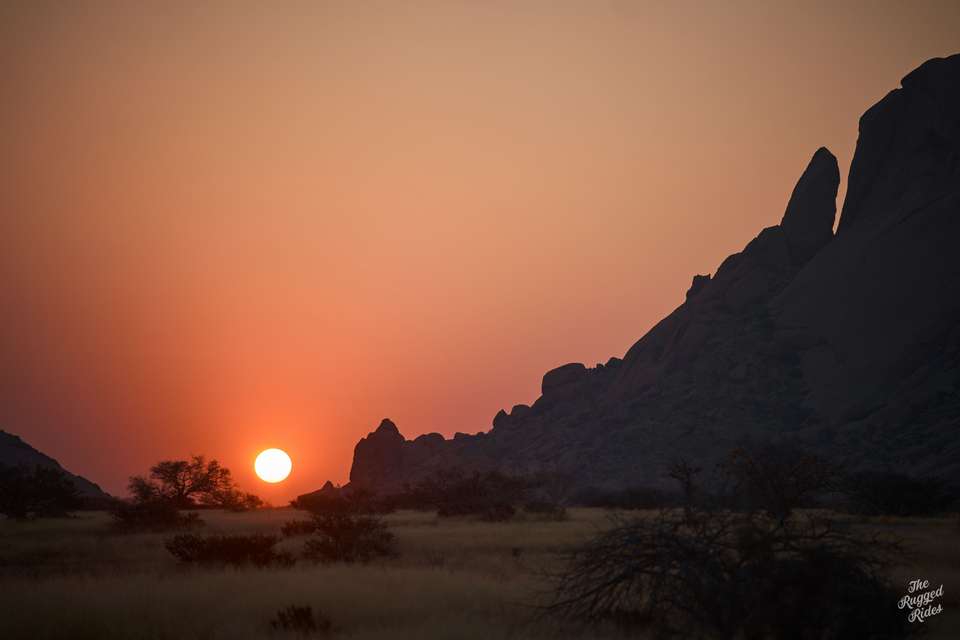
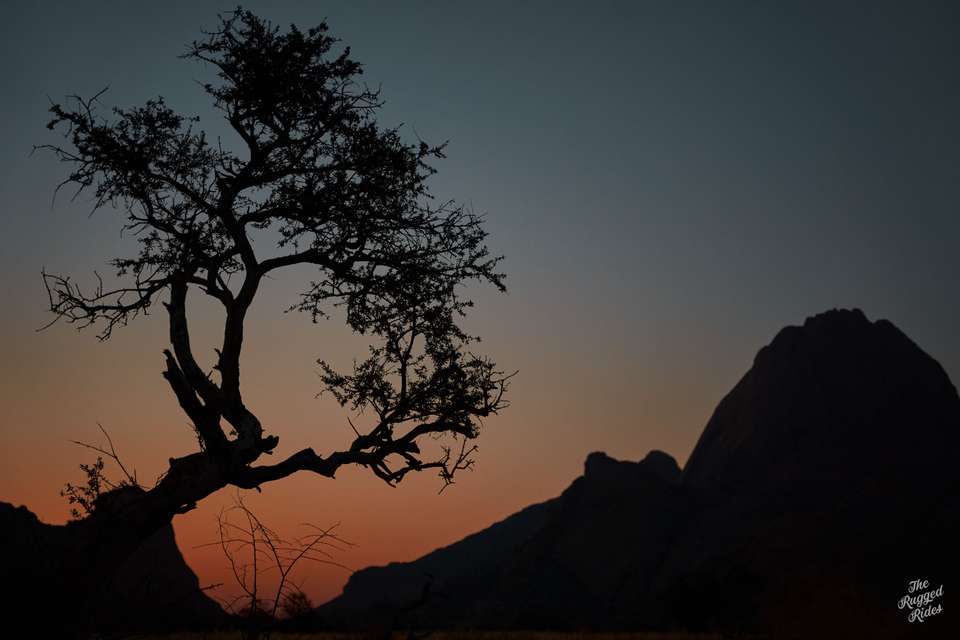
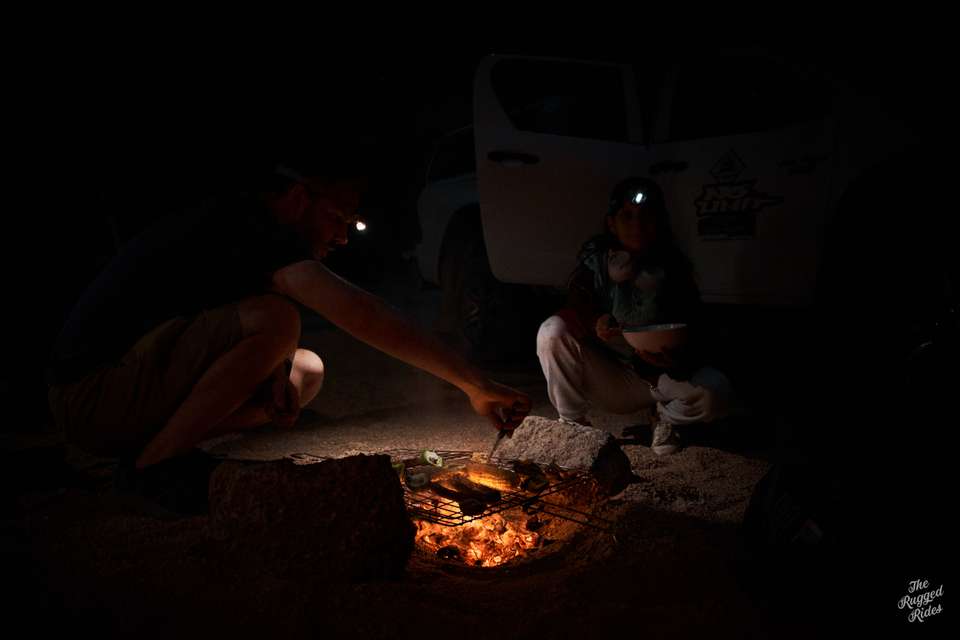
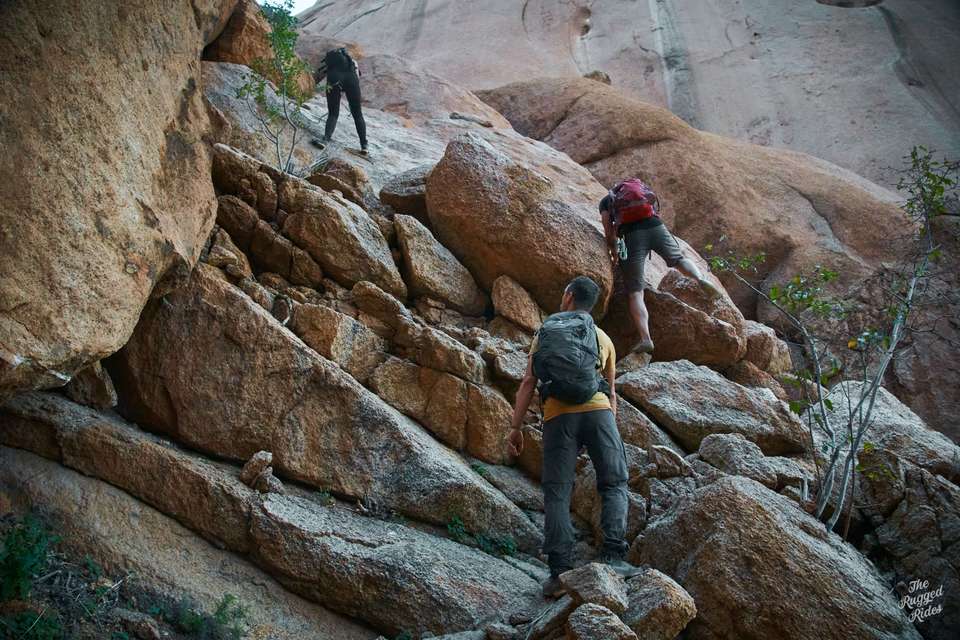
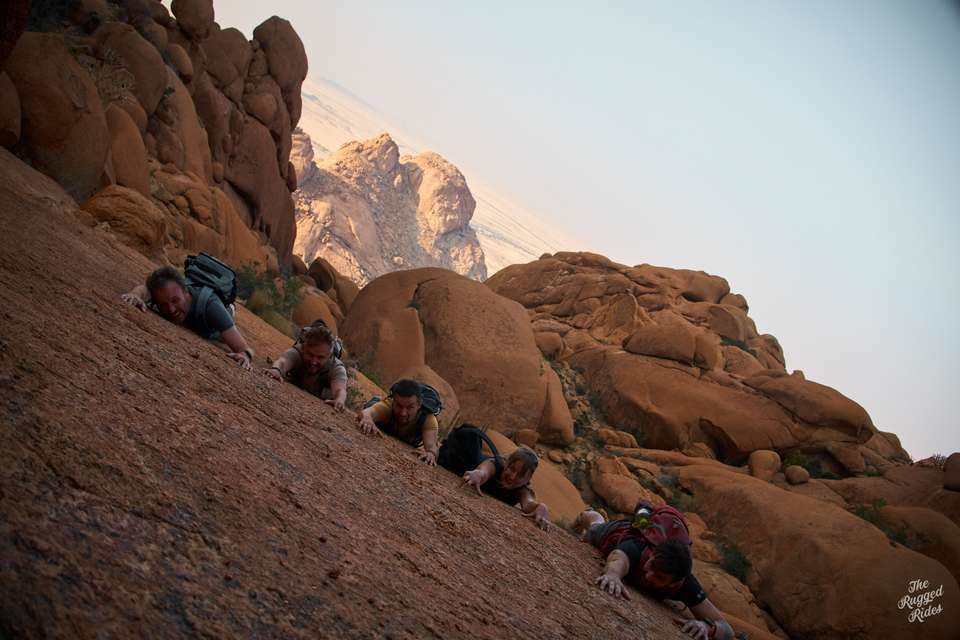
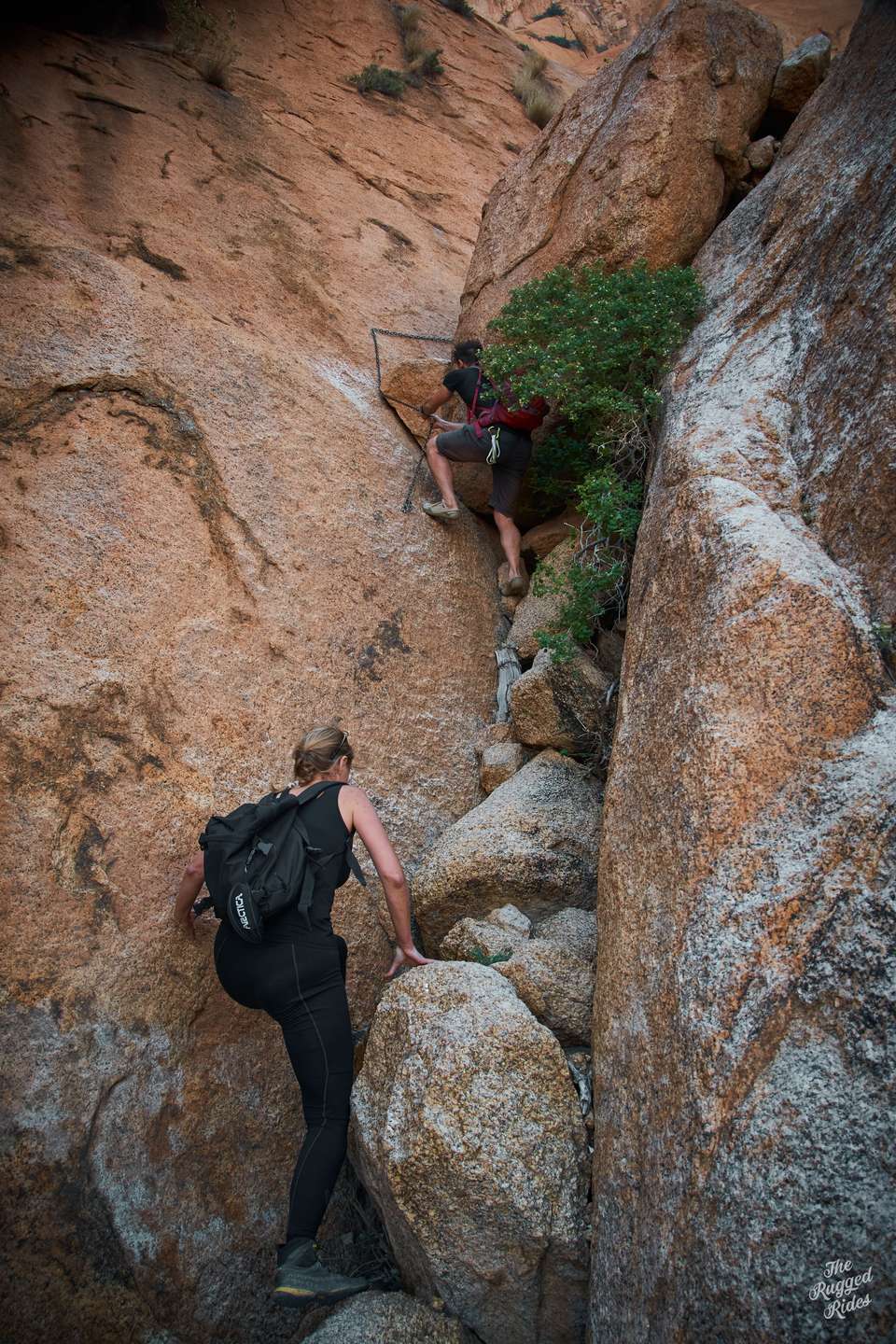
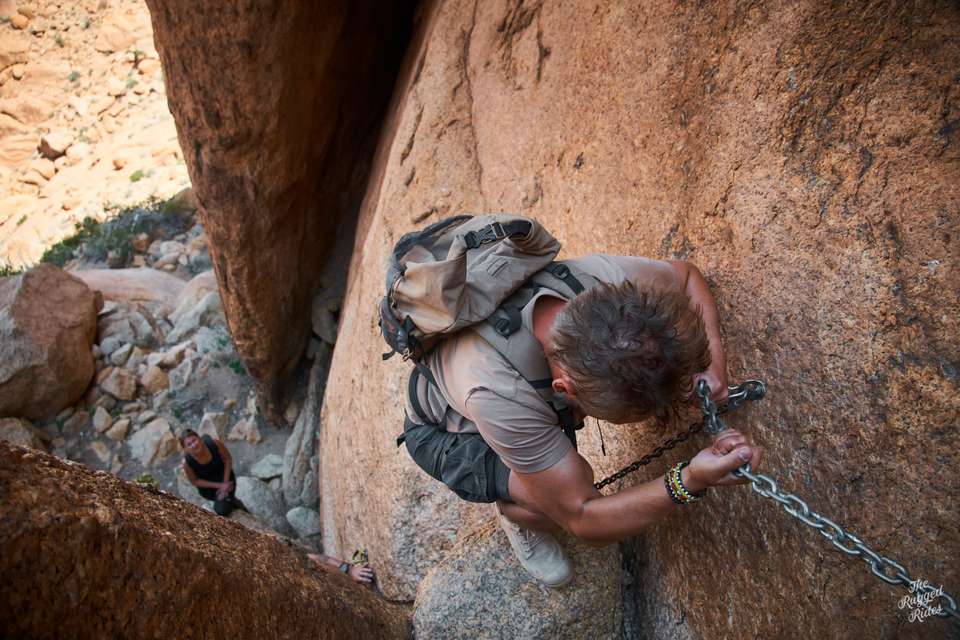
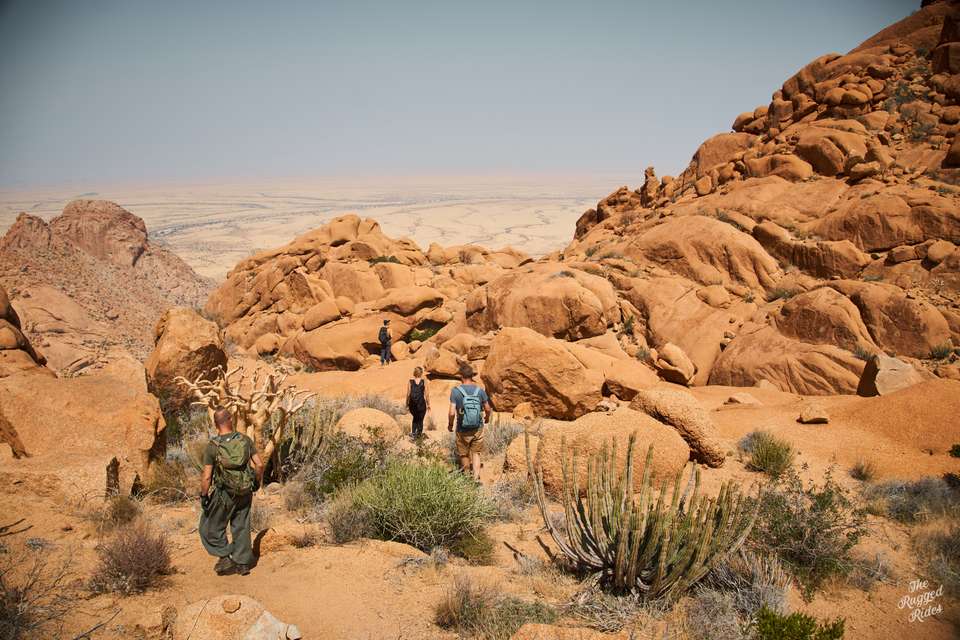
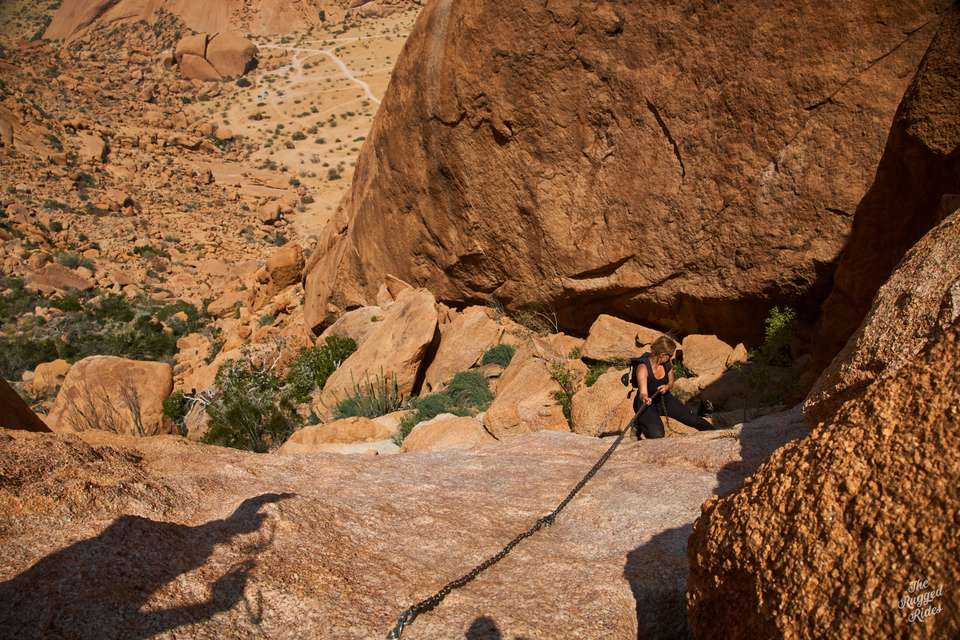
Next stop - Spitzkoppe, the place I was waiting for the most, the one I'd been hyping up in my travelling dreams. I love spots like this. Technically it's not a single monolith but a whole set of them, but it instantly reminded me of the insanely beautiful Ben Amera in Mauritania. In the evening we pick a nice place to camp and sign the papers saying we're climbing on our own, at our own risk. Doesn't matter that I'm terrified of heights, we only regret the things we don't do, right? We head out before sunrise.
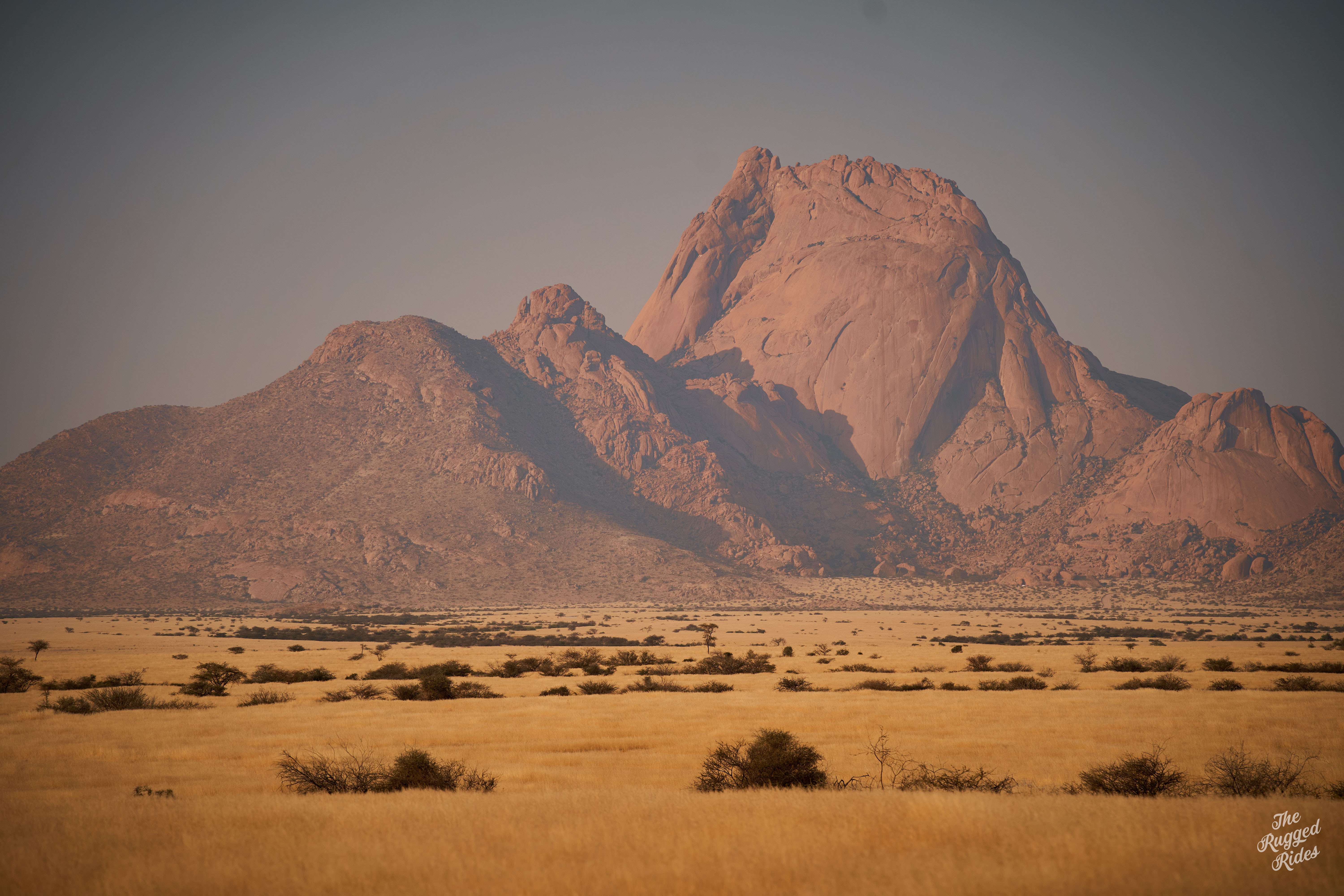
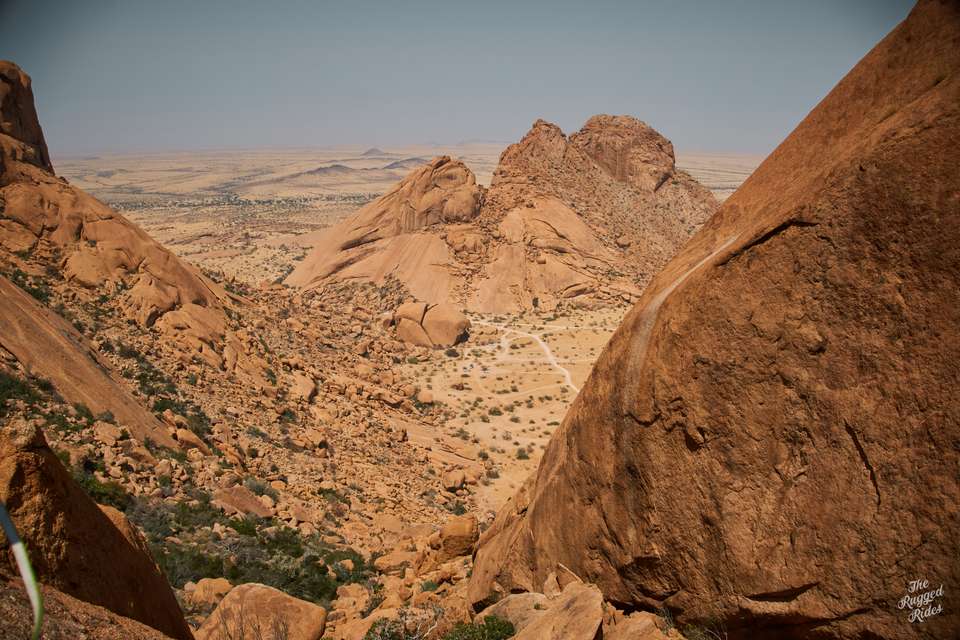
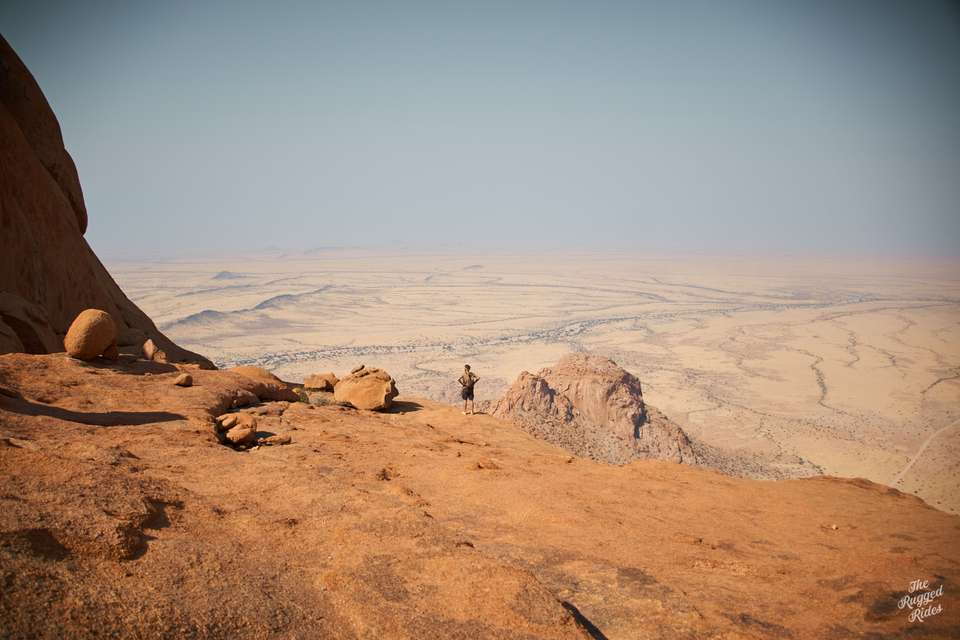
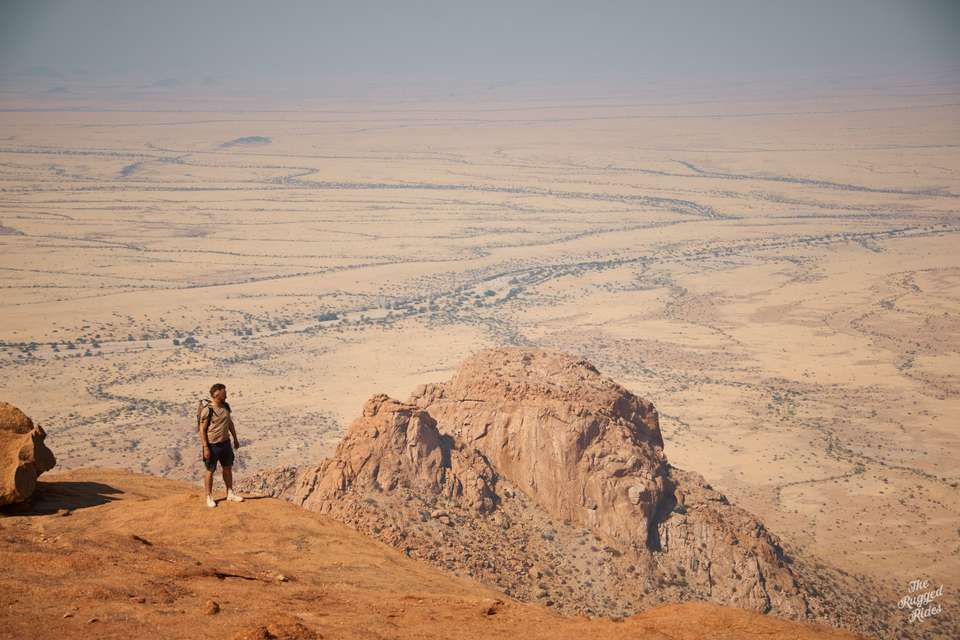
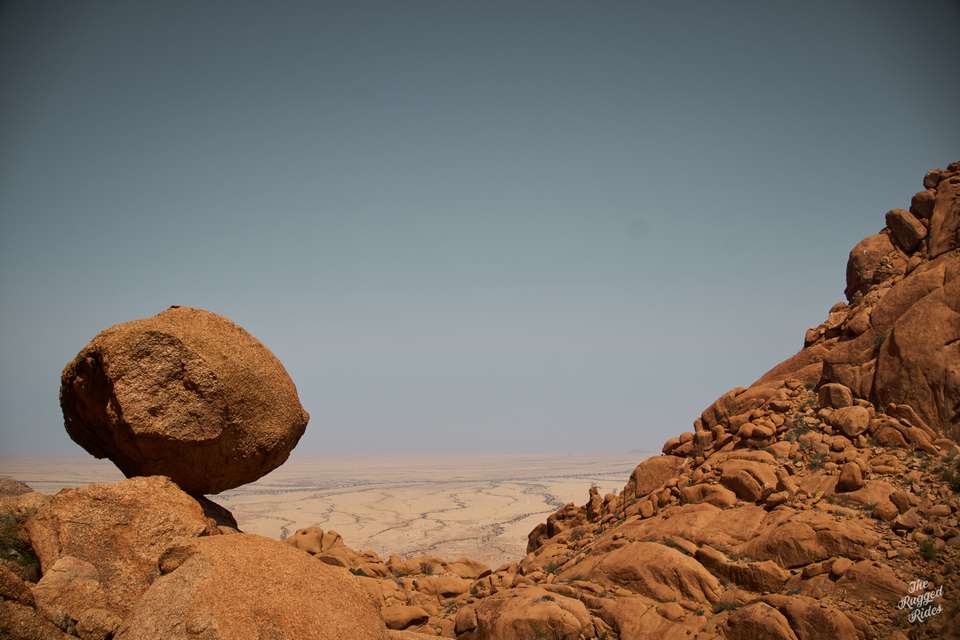
Spitzkoppe is only 1728m above sea level, but it shoots straight up from a flat desert and completely dominates the landscape. The rocks are granite that formed up to 120 million years before the first multicellular organisms even existed. It's estimated to be over 700 million years old, older than life on Earth. It heats up insanely fast, the surface can hit over 60°C during the day, then drop to just a few degrees at night. The wind can be brutal. Even though the place looks like a dead desert, it's home to several endemic species, unique lizards, insects and more. The summit of Spitzkoppe is considered one of the toughest technical climbs in Southern Africa. The first documented ascent only happened in 1946.
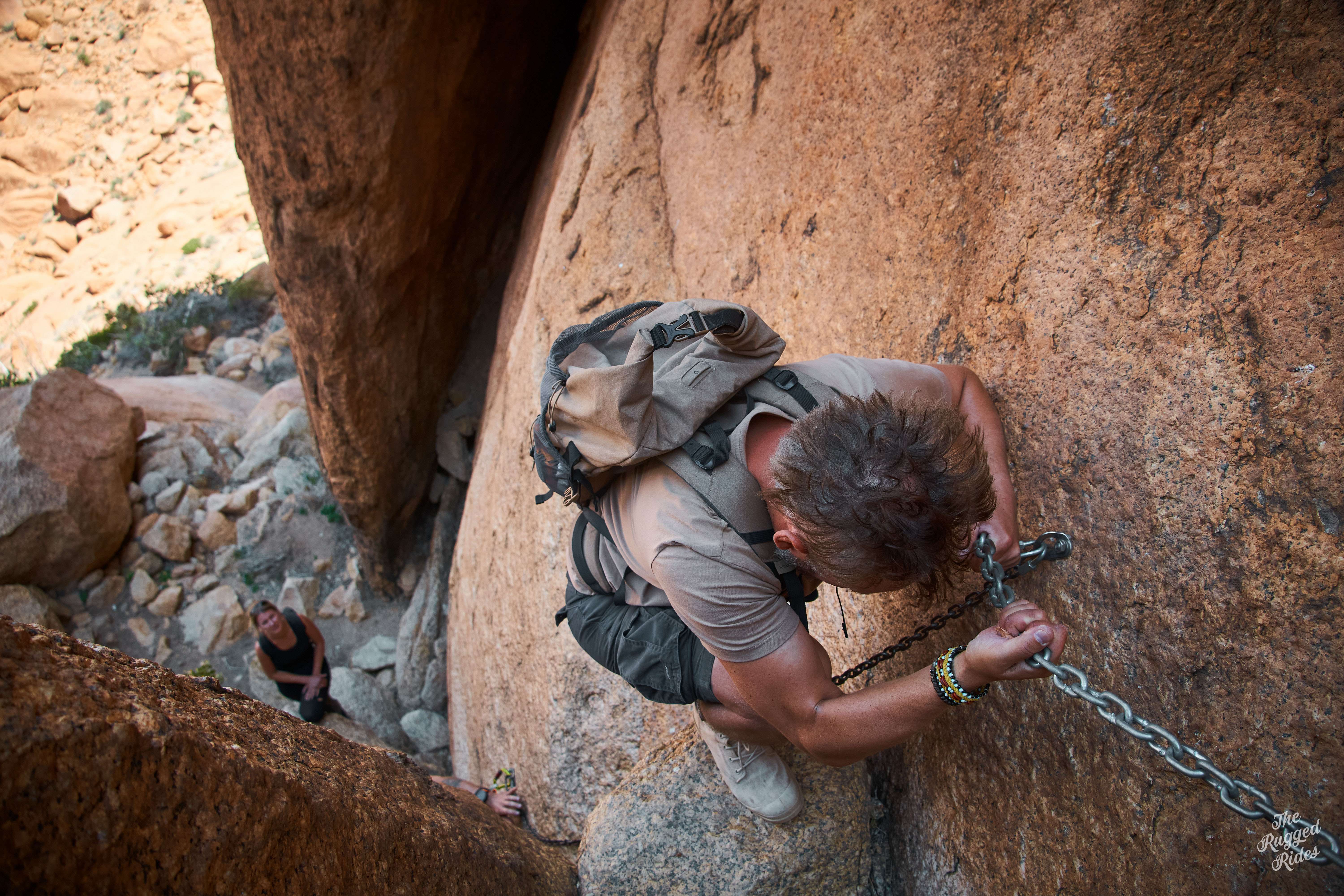
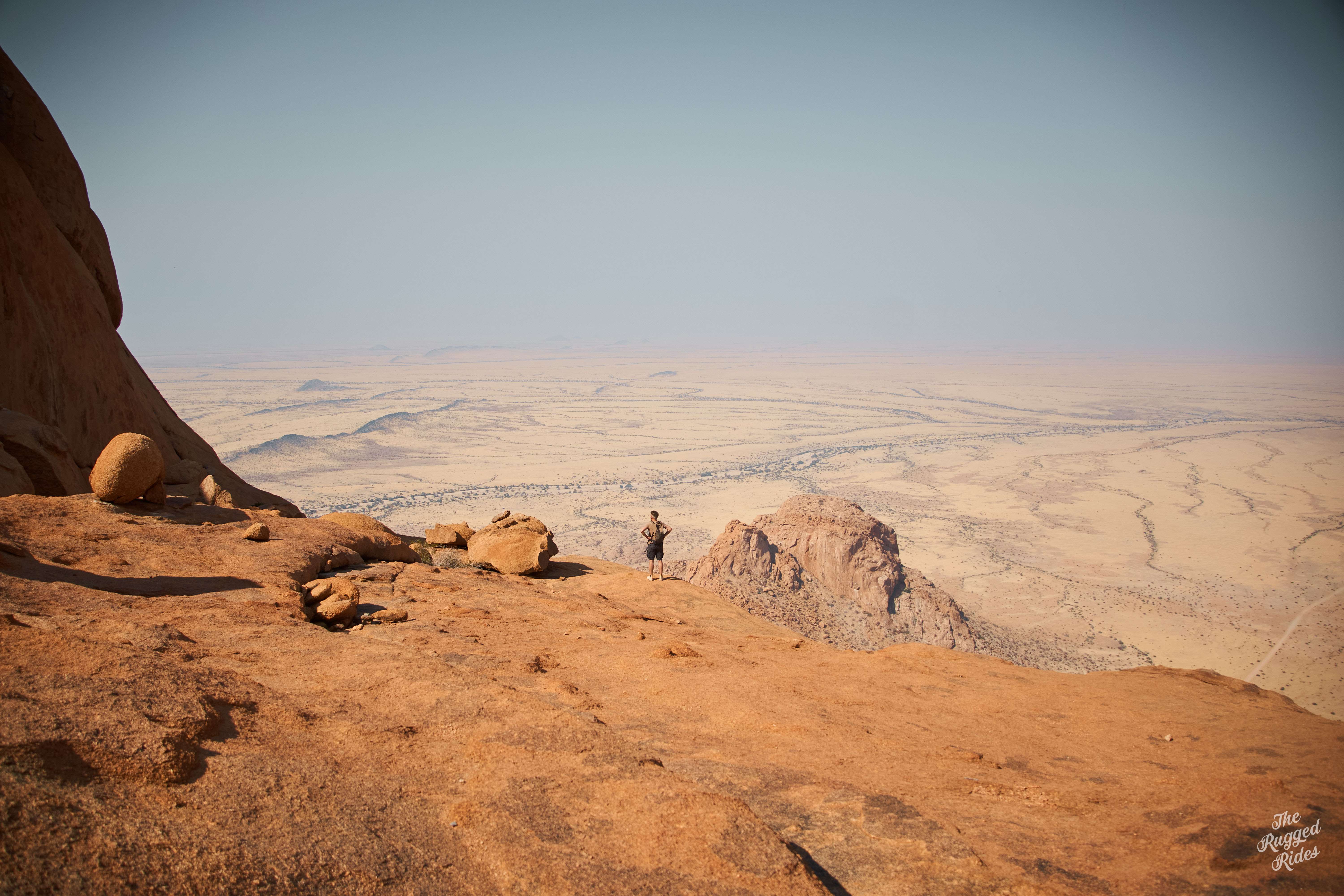
We reach the top after a few hours. For someone who climbs regularly, this is probably nothing special, but I gave it my personal 110%, my hands are shaking, and honestly… it’s amazing :-)
Tracks: https://loc.wiki/t/241089692?wa=sc
Leave a comment