Tunisia. As promised, I am going to spend some more time on write-ups, it's definitely worth it!
There are places that You feel a kind of positive anxiety after visiting, something that does not allow You to forget about the adventure experienced and makes your thoughts return to this place, even many days after the trip is finished. For me, Tunisia is one of those places. In this case, it is not about the distance or the difficulty of getting there. I have only 1400kms from my home to reach Tunisia, the rest of the distance You are on a ferry and time passes on waiting for the destination port. Tunisia is interesting because it offers a whole range of different landscapes, even though it is very European it is still an African country, a former colony, and people there are sincerely kind to us - dirty travellers worn out with riding an uncomfortable motorbike :) There is something else... Sahara.
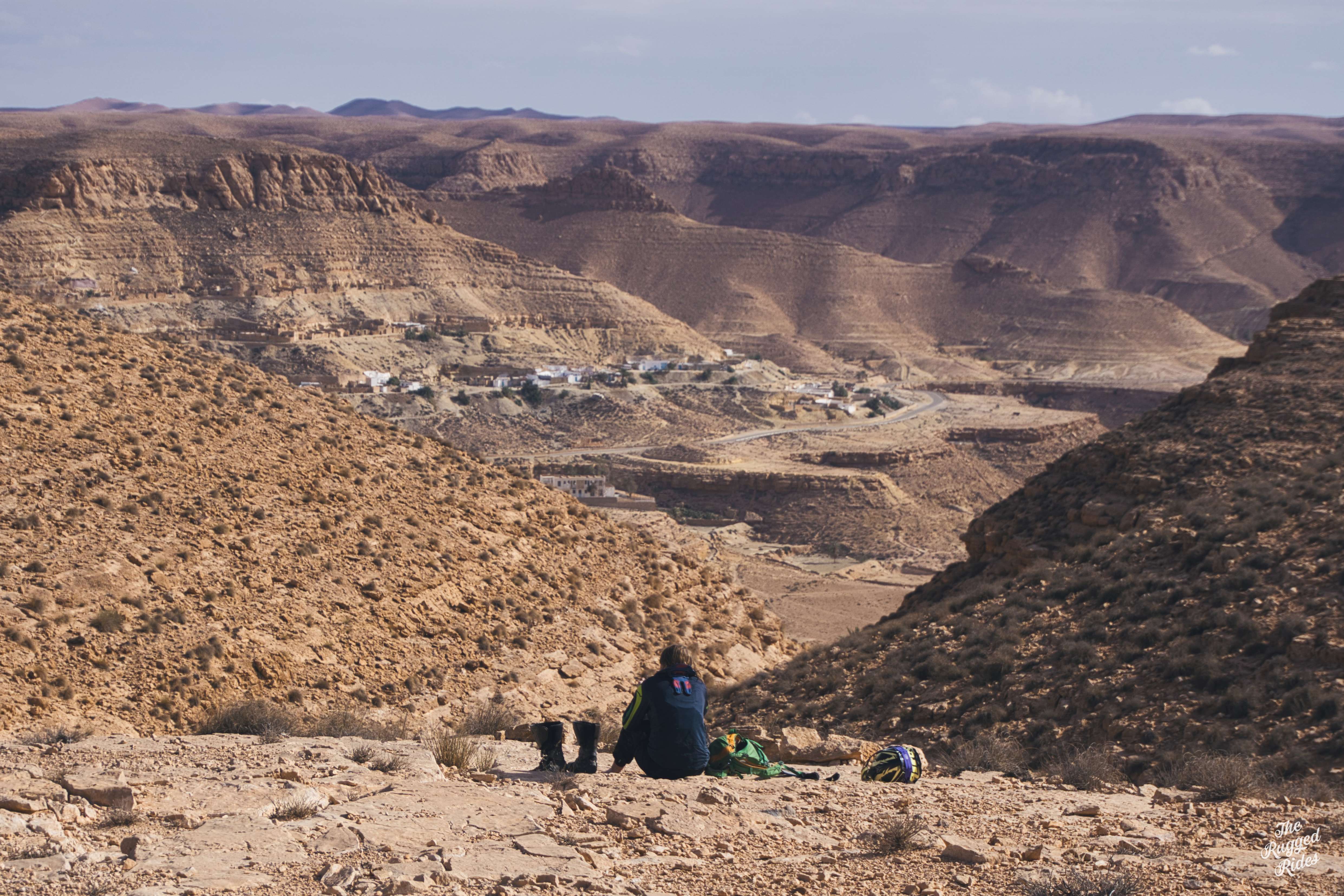
Tunisia has now a very serious problem, which is the lack of tourists. Tourists from western countries turned away from Tunisia, they think it's dangerous. Tunisians are doing everything they can to reverse the curse, you can feel it all the time. It's sincere, the atmosphere of being there now is great. For the reason and because Tunisia offers hundreds of kilometres of truly adventurous tracks, I really think it's a perfect time to plan Your next trip there, no need to wait!
The Road
It is very easy to get to Tunisia by ferry. Ferries depart from Genoa, Civitavecchia and Salerno. For us, the closest seems to be the first one, but Civitavecchia is only 100km further and prices and travel time are much lower. You can analyse everything here: https://book.aferry.com/. The cost of the ferry for one person with a motorbike is about 300-320 Euro one way.
If it comes to ferry companies, I would definitely recommend the Italian GNV. The ferry is more modern and a bit cleaner, the cabins are bigger and more comfortable, the prices on board are normal and the organization exists, e.g. the crew guy will show you where to park the motorbike. In this comparison CTN felt much worse, so if you only fit the date then I recommend the first choice.
In any case, however, you will have to walk the port life path. Don't expect the standards known from airports. Instead, be prepared for a kind of a game, solving quests, gaining experience, gathering artifacts alongside the pieces of information and so on 🙂 In the port of Genoa, even if you manage to get to the barrier with ferry line staff members, you still have to get back out and find the CTN company office. You will need to get a physical copy of your ticket, as this will not be sent to you by the carrier. Two multi level crossings and there you are - the office is located in the passenger lounge.
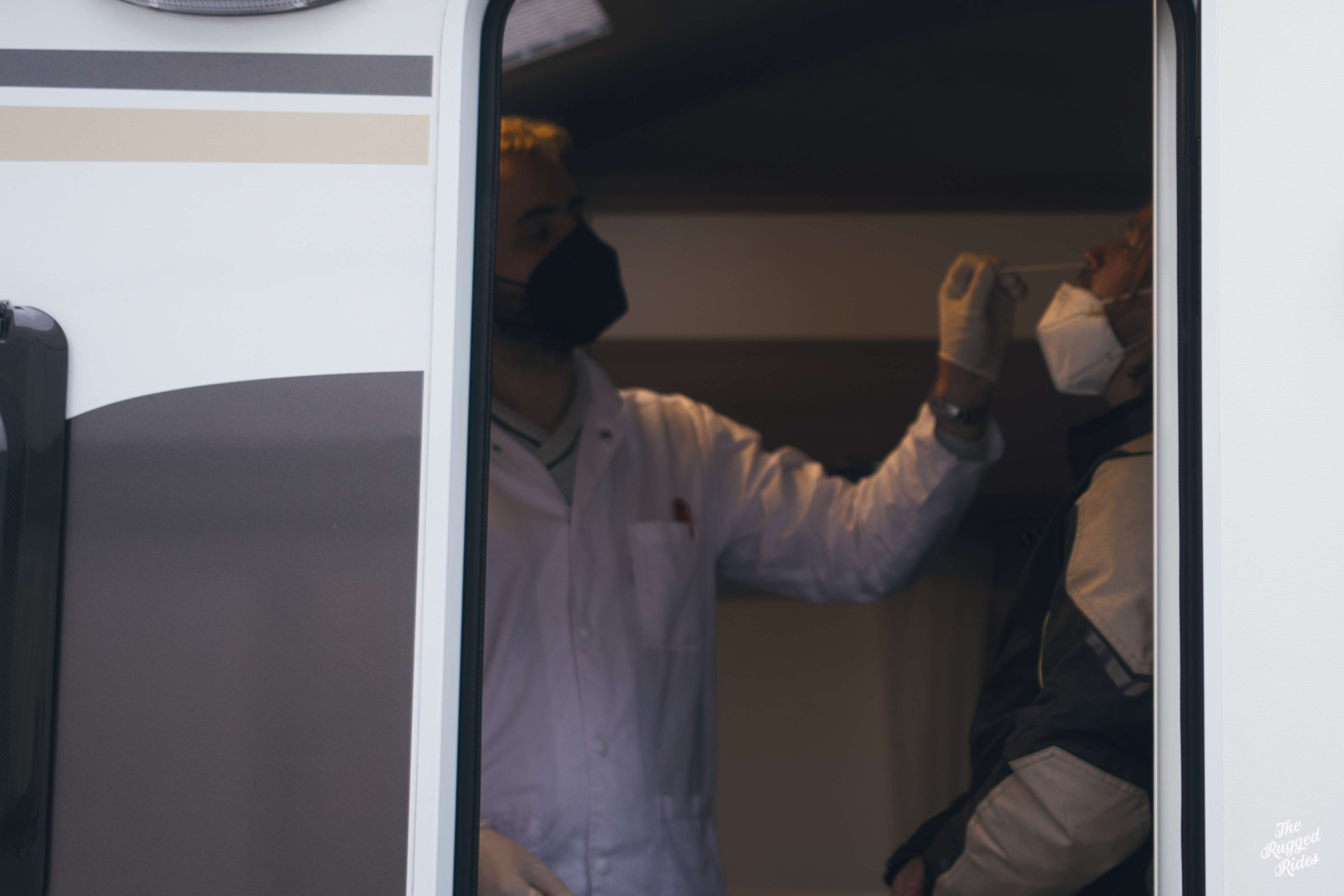
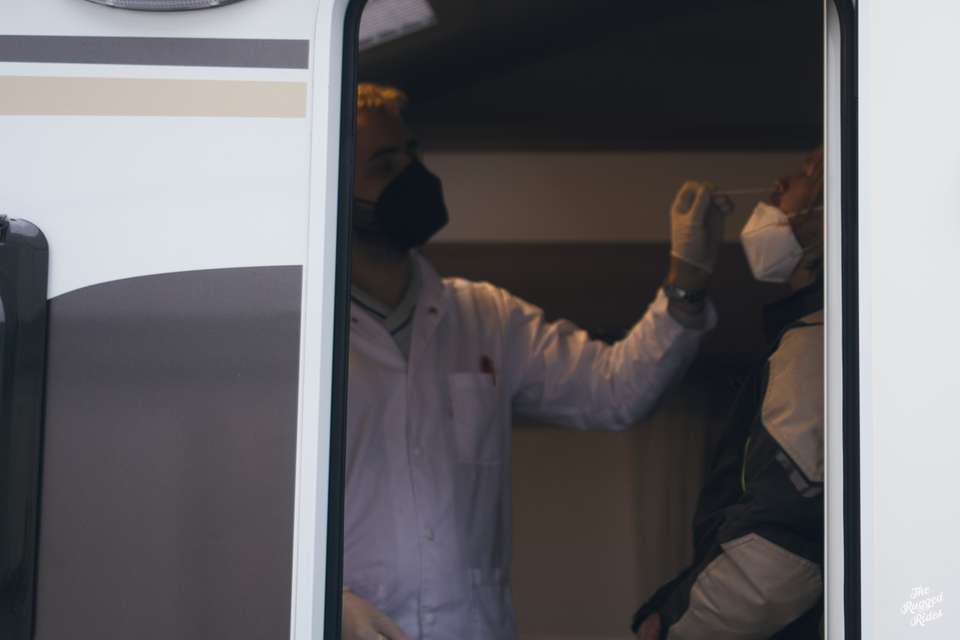
Now things AD 2021, I mean COVID. Tunisia now officially requires PCR tests. However, if you talk to the ferry line staff in the right way then the usual 'rapid' test will prove sufficient. In Tunis no one checks this, standard vaccination printout is ok. Rapid tests can be bought in a pharmacy in the already mentioned waiting room, from there you will be directed to a parked ambulance, where a very polite gentleman will poke you in the nose, gently. After about 20 minutes you will receive your test results on paper with the official QR code. This was the case for us, however, the situation changes dynamically, so it is best to simply find out just before you leave.
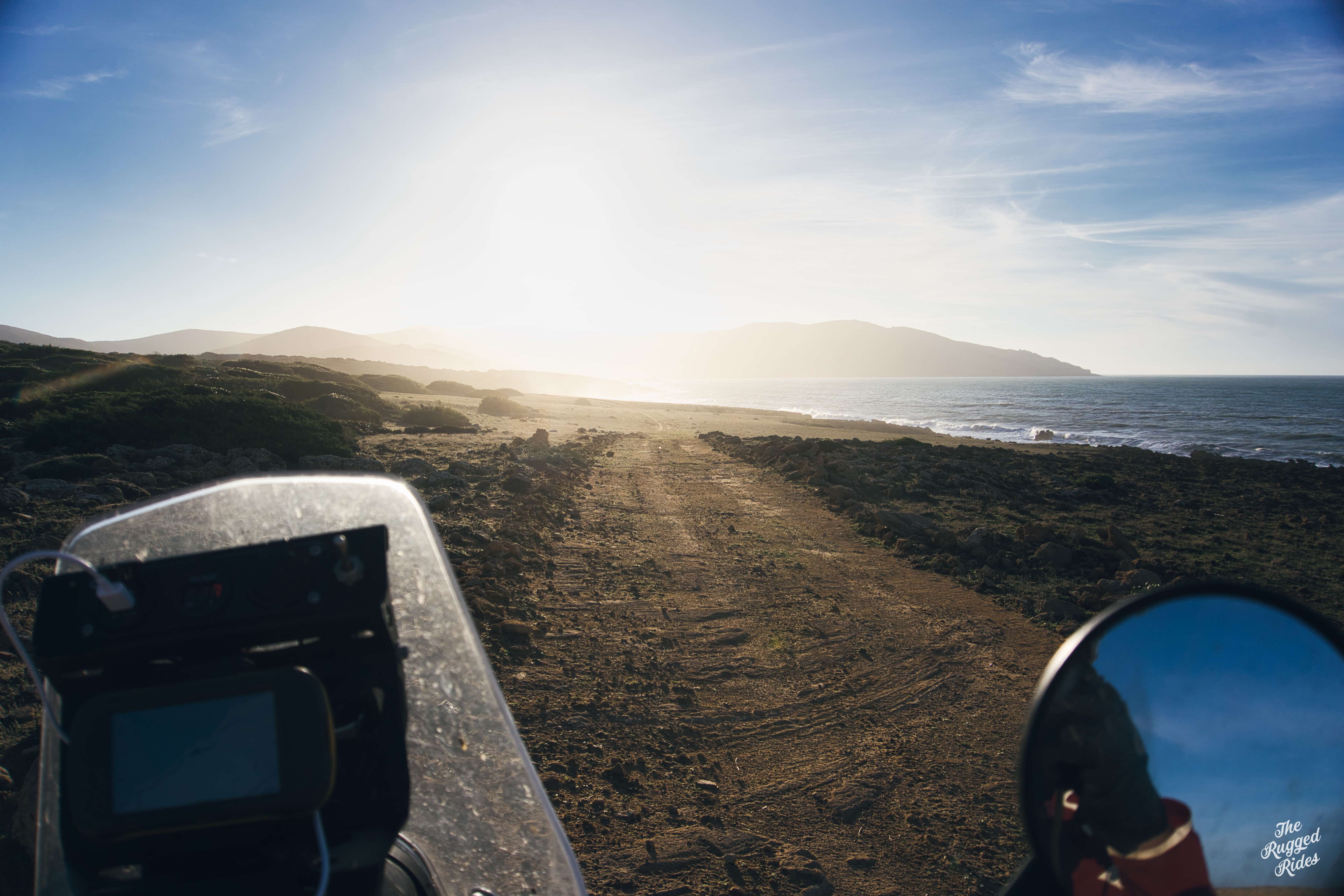
Don't be the first in the queue just because You are a motorcyclist. They will let trucks and their own people in first. Then it is your turn. If it is CTN, when you are told to drive on board, ignore the signals given by the staff and park immediately at the entrance on the right side. When the ferry arrives the entrance will become an exit and you will be the first to depart. Otherwise you will be standing for 30 minutes in a thick smoke of exhaust fumes as everyone turns on their engines and rushes straight in a sheer madness. Don't forget to fasten your motorbike, the staff will not do it for you, you will find the straps somewhere near the stern.
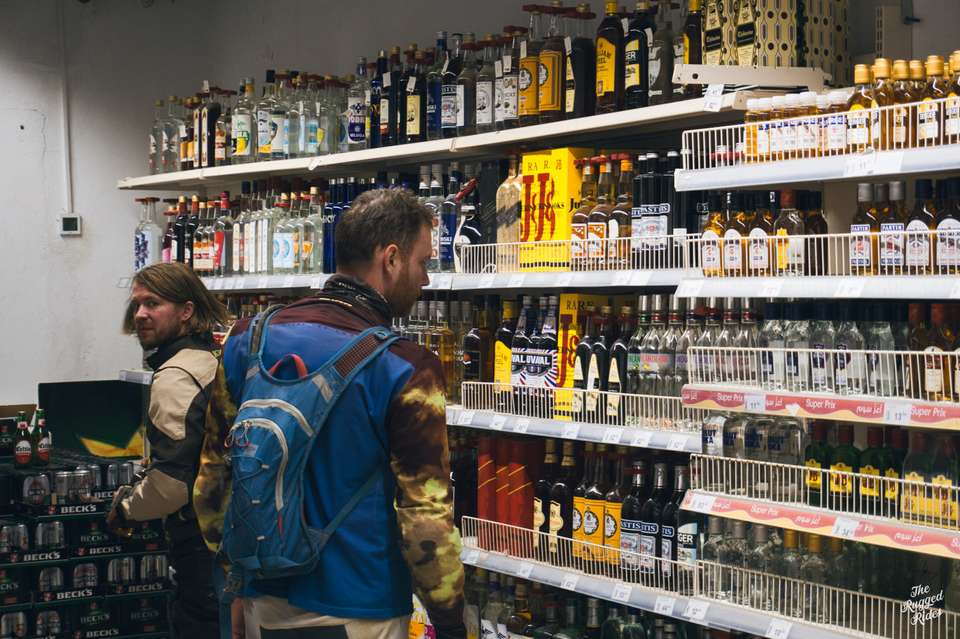
The cruise lasts from 23 to even 30 hours, you can buy some good spirits in advance in the port, or in the duty free shop on the ferry, both ways are ok :-)
Entering Tunisia, La Goulette port. Smile and go ahead. Even if you don't have all the papers, they will hand them to You and fill them in for You. They really want us to visit Tunisia. However, in order not to add the work to customs officers, when still on the ferry, it is worth to fill in all the papers. When you see a queue on one of the decks, it means that it is time to do it.
At the port they will also want you to fill some papers in for a motorbike. These papers will be handed out by officers, so you can easily ignore all the unofficial guys and go straight to the customs booths. A few stamps and you are done.
Return. I would gladly like to write that everything is the same only in reverse order, but no :-) First of all, put somewhere down the green card, you will need it when coming back, it's very important. Secondly, at the port of Tunis, the ferry line staff cooperates with all the guys who shout and want to help you, for a small fee of course... Therefore, there are no blank documents to take and no signs telling you in which direction to go. Instead, documents will be handed to you by forementioned street guys, stamped by an ferry staff member and checked in the office, yes, exactly. The street guys will then direct you to the correct gate. If there is anything else you need to print out or fill in (e.g. at the moment it is some very important document to Italy which nobody checks anywhere anyway), you can go to the gift and flower shop in the port. There are several well-equipped stands with staff who will do everything for you - advise, fill in and print the necessary documents. If it comes to getting to the Genoa, we were bombing along the motorways, just a transit route. In the low season it is worth going through Venice and Udine then Klagenfurt. It is all about temperatures. There you will have at most 1000 meters above sea level, usually passable even in late November. Obvious things, fuel is much cheaper off the motorway, where it is also worth going for food. In general, the cost of the entire Italian motorway section for a bike is a substantial 50 Euro one way, wow! If I were travelling in high season, I would choose more scenic roads, definitely.
Conditions, weather, roads and route planning
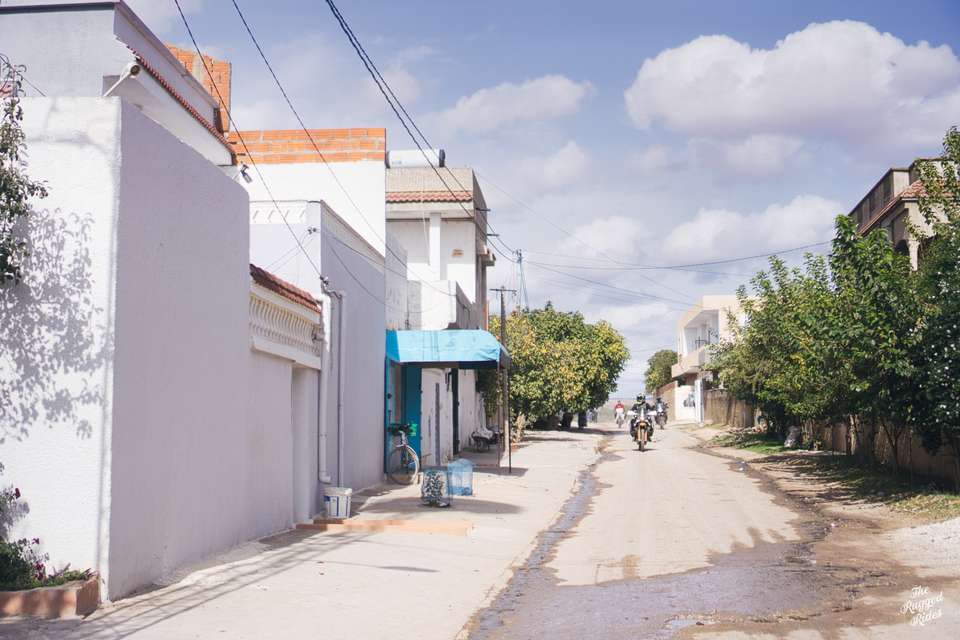
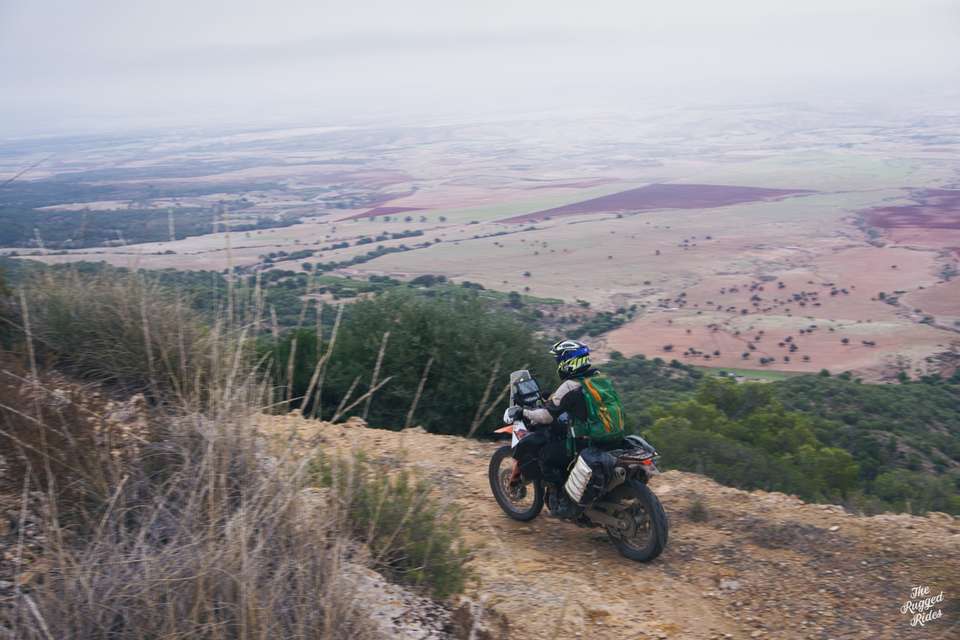
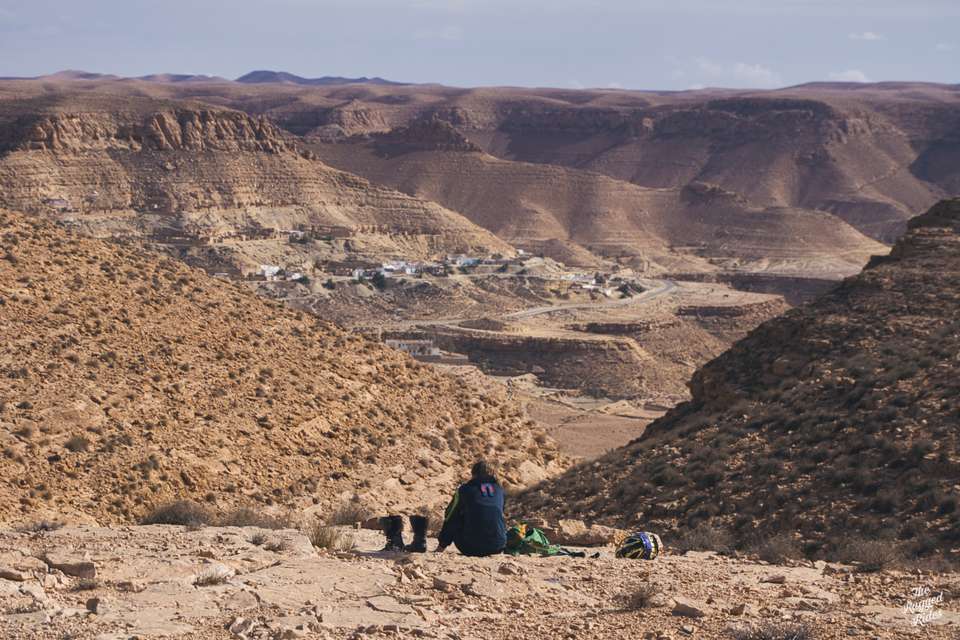
Tunisia is actually very diverse. We've been riding first two weeks of November, so already in the rainy season, which lasts there from November to March. However, the rains were not a big deal, it was raining mainly at dawn, usually with low intensity, no dramas. Temperatures were perfect for a ride, around 20 celsius with nightdrops to around 5 celsius, especially in the mountains. In general, as far as the weather is concerned, I think that October-November is the best period, probably it will be good to go also in March-April, although in spring there may be much more mud.
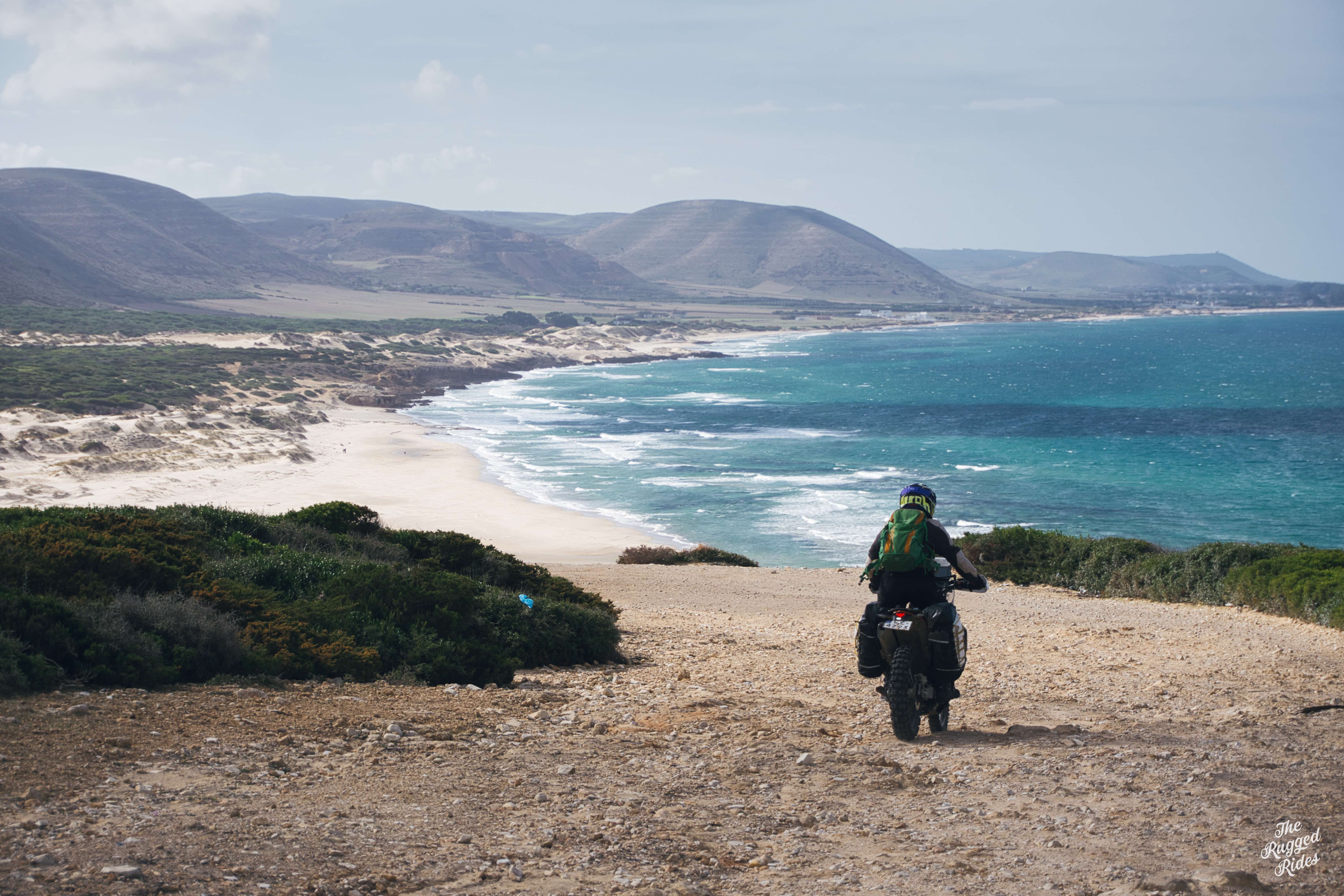
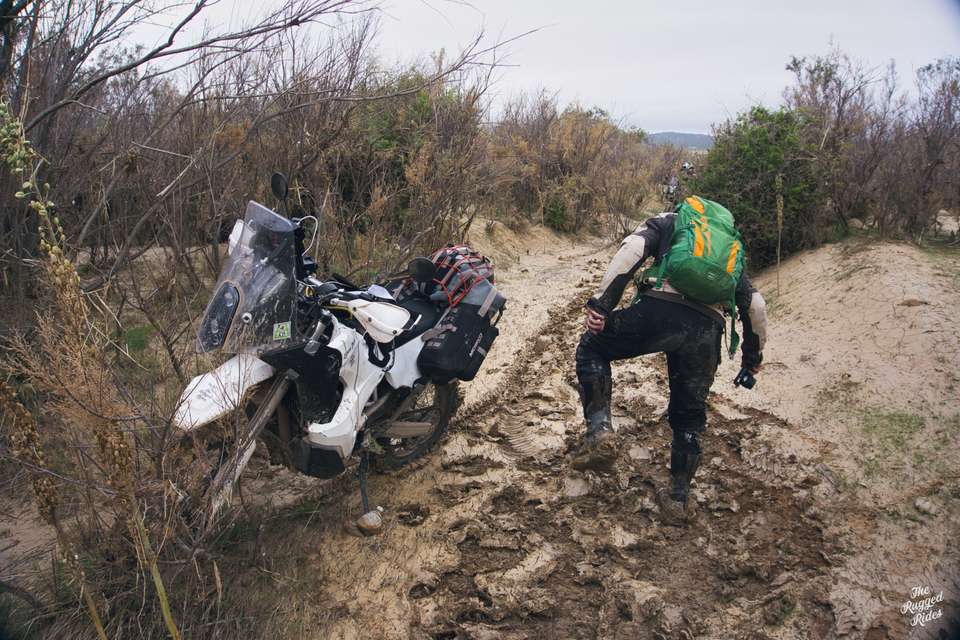
And if we are talking about mud, it is worth mentioning that the Tunis area is full of serious mud traps. Mud there has the consistency of plasticine and can be really treacherous, clogging up the tyres and the rest of a bike, effectively making it impossible to ride. For this reason, I wouldn't advice low mudguard, as it gets clogged up instantly. This mud is much worse than the one you can find for example in Carpathians. There is also the thing - Chott el Djerid. This lake is likely to be crossed just at the end of dry season, otherwise it is a really dangerous trap.
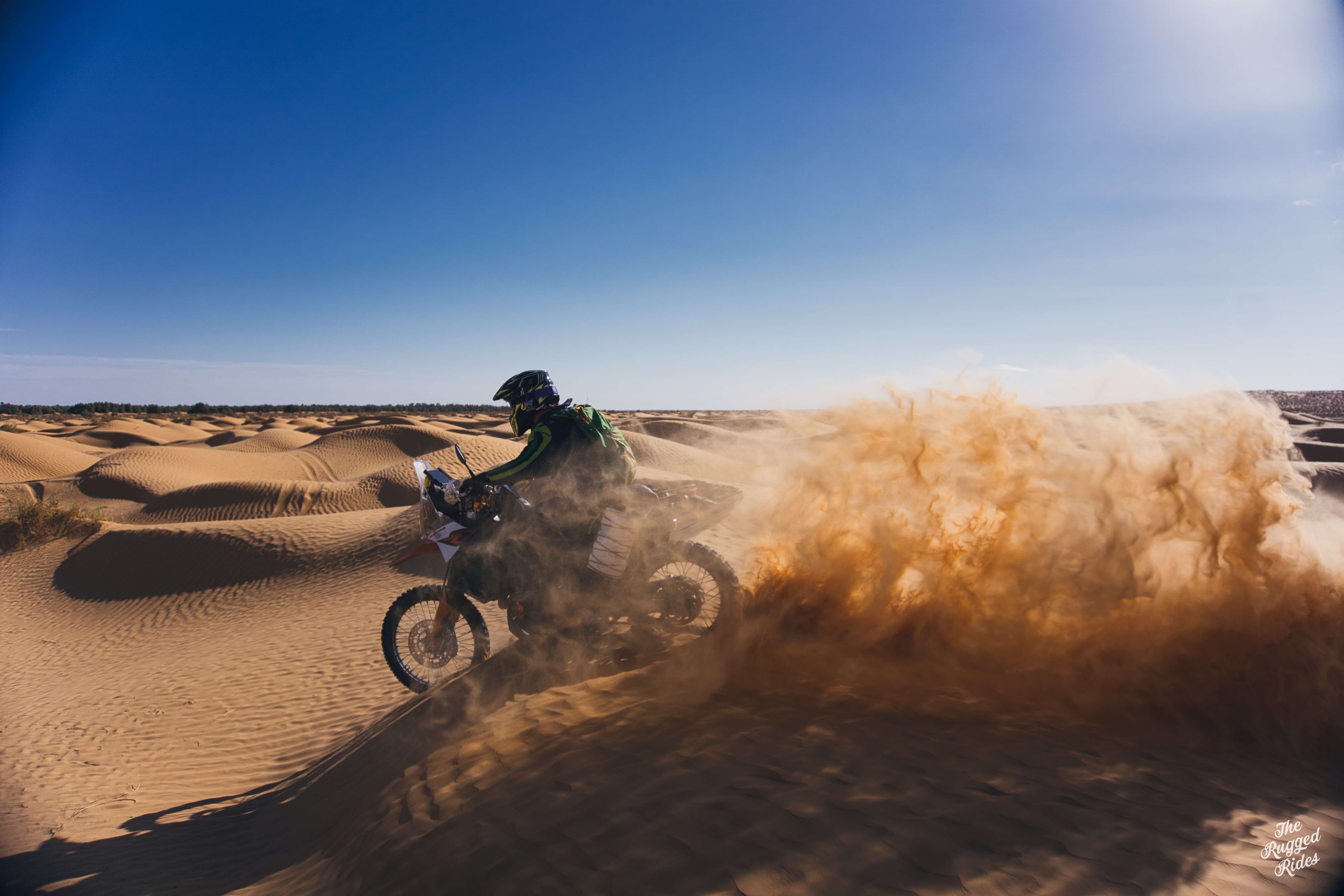
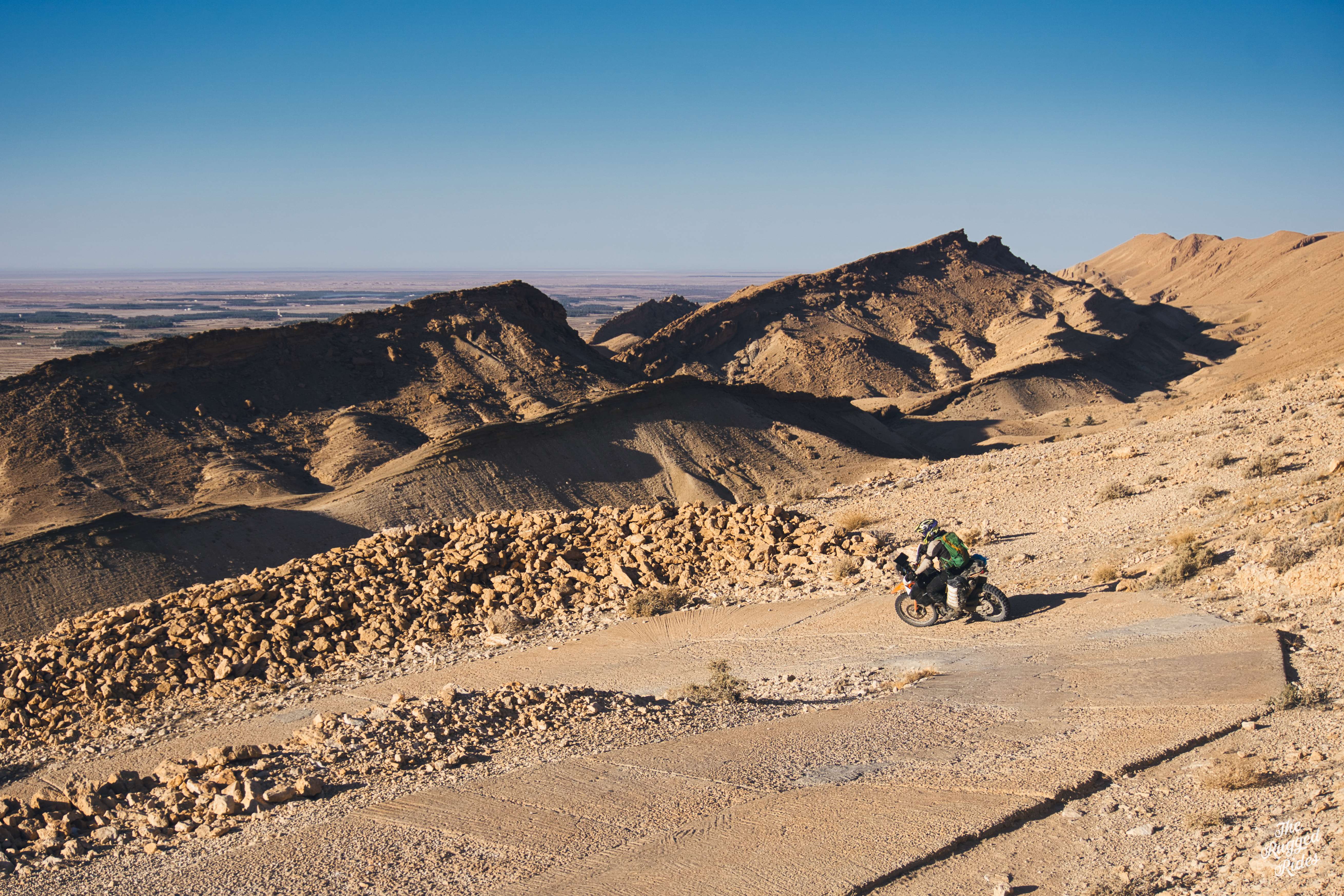
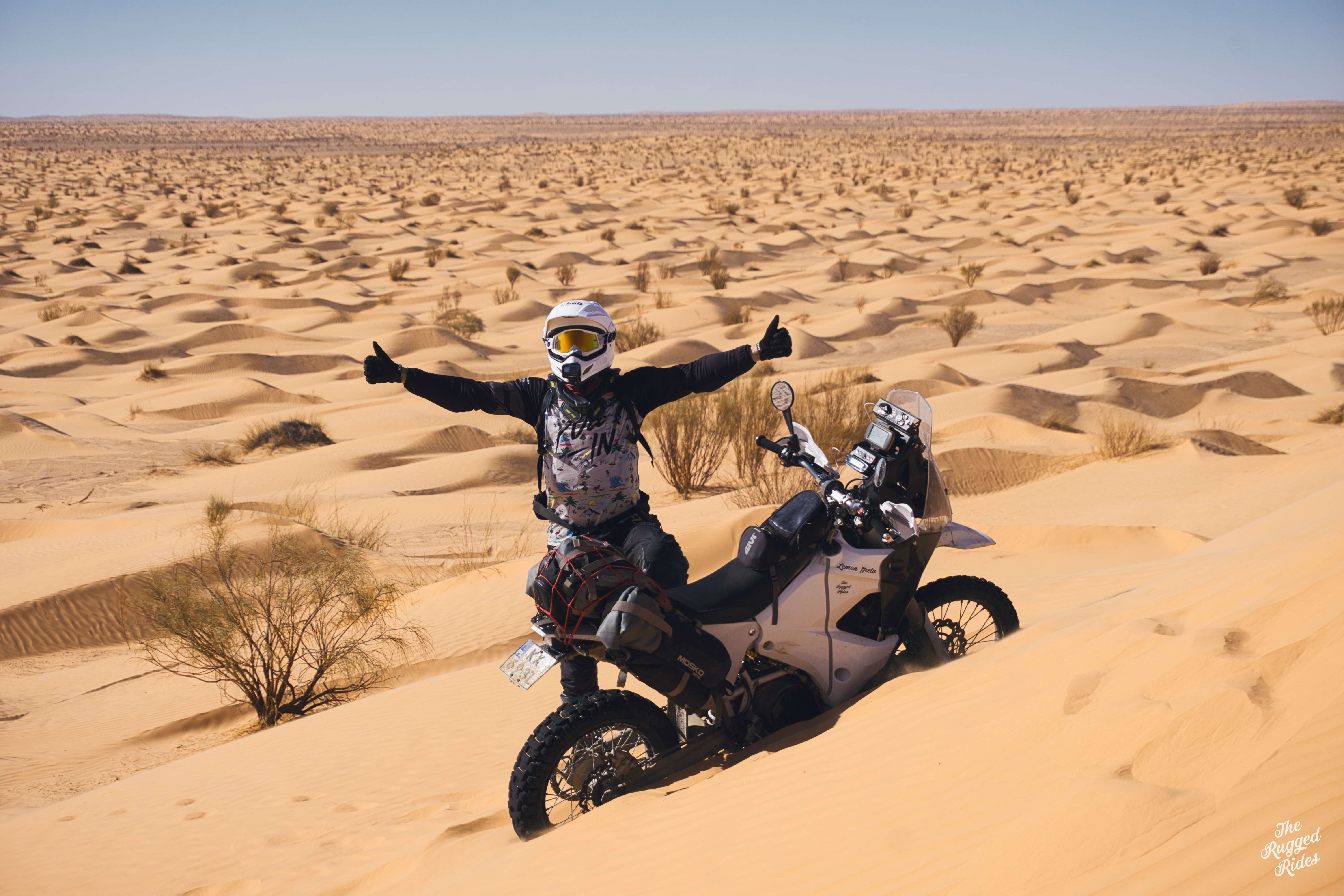
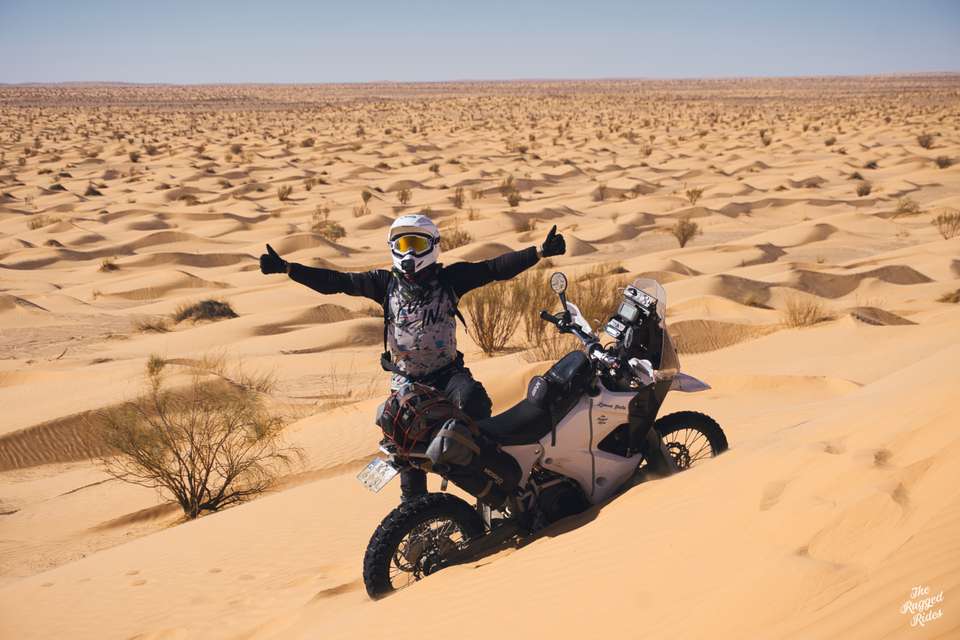
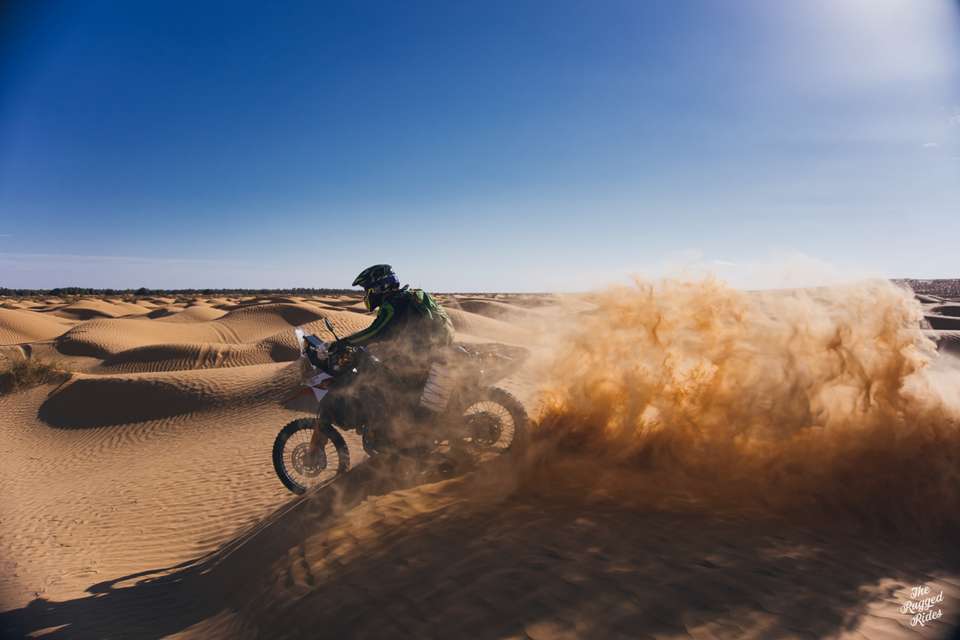
Talking Tunisia, there is the sand, the Sahara. Skiding on the dunes is completely different from what you can get used to, or what you can learn here in Europe. The sand in the Sahara is very fine, it is more the consistency of flour than tiny grains of rock. When the dunes are still cold and a bit wet after the night, everything seems to be fine, but the real fun begins when they dry out. As total noobs we got over the initial learning curve pretty quickly and after two days riding we more or less knew how to read the dunes enough not to end up with the bike buried to the axles just from hitting soft spot. And this happens even at high speeds and with a bike of "only" 150kg. You simply need to know where such spots are, there is no point in trying to describe it, You can gain knowledge this only by practice. You should ride with sense, respect for speed and a certain amount of gentle brutality :-) First gear is not enough, You must keep inertia and not be afraid to twist a throttle as soon as You feel that the situation calls for it. Beware, as the dunes are sometimes cut very sharp, many riders with excessive affection to speed ended up with fractures or worse. Sand gets everywhere, it is super fine, so it penetrates through super small gaps. Let's be honest, bikes get hit hard also, engine temperature, oil and fuel consumption, You name it. For all these reasons dunes are very demanding. You get exhausted super quickly. Going to the dunes without an adequate supply of water or alone is rather a bad idea. It really is.
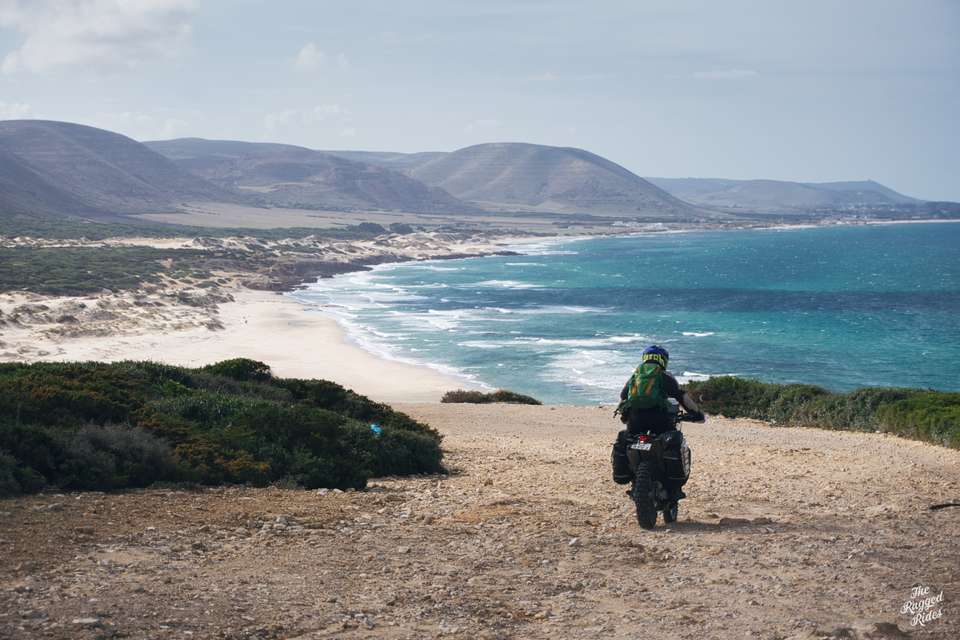
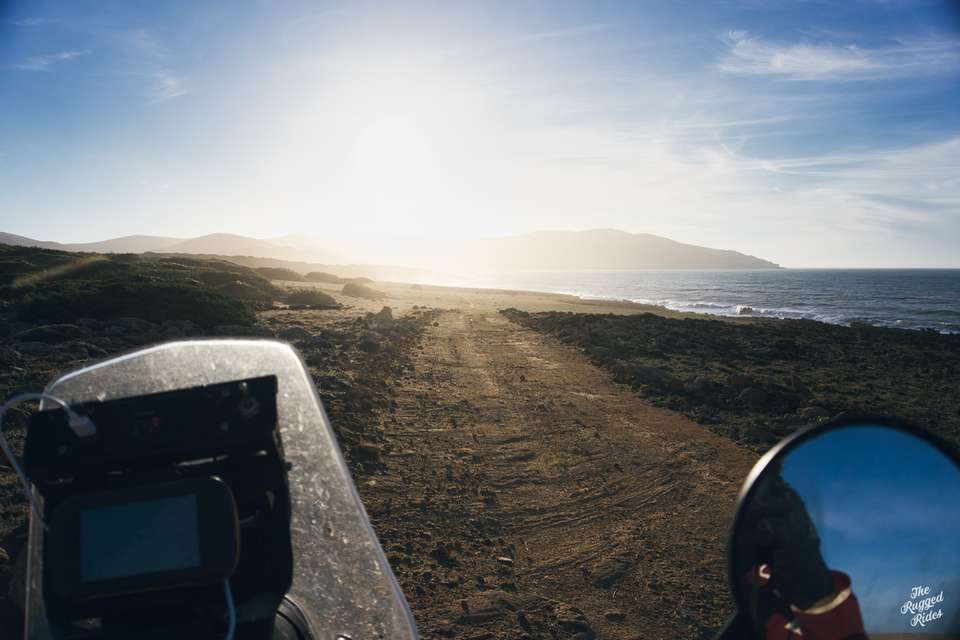
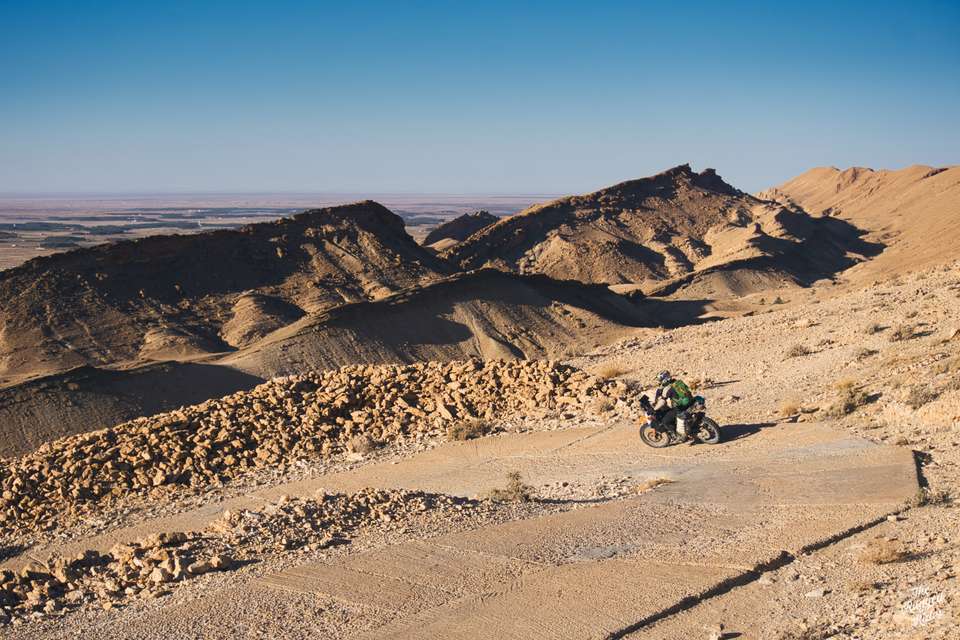
If it comes to the track, as usual, I did my best to draw it before the trip started. I always want tracks to be smooth and passable, with as little tarmac as possible, therefore I used OSM topo maps, satellites on Google Earth and Bing. I will cut the story short and write straight, Tunisia offers unbelievable freedom and ease of finding superb routes. Something that seems really hard or impassable on a map, usually is a super nice flow in real world. Often we were riding paths which are not on the map at all, or that I hadn't seen on satellites before the trip or just, thought they will be a total bummer. We had to turn back only once and not because it was impossible to go, but because of the late hour. So, all in all, it is quite the opposite to the Balkans :-)
In 2009, the whole Tunisia area was divided into special zones, Nord, Sud and the rest of the country. It is officially not recommended to enter the Nord zone alone, whereas you need a permit and a guide to Sud zone, the rest of the country is yours without any restrictions. A map is available here: https://saharaoverland.files.wordpress.com/.../fco.... We were in the Nord zone, no problem, I think you can easily hit a bit of the red area in the mountains as well, as far as You don't plan to camp and stay overnight. Far south, which is red zone, is the deep Sahara, so bikes without a support vehicle are hardly used there anyway.
Accommodation, food
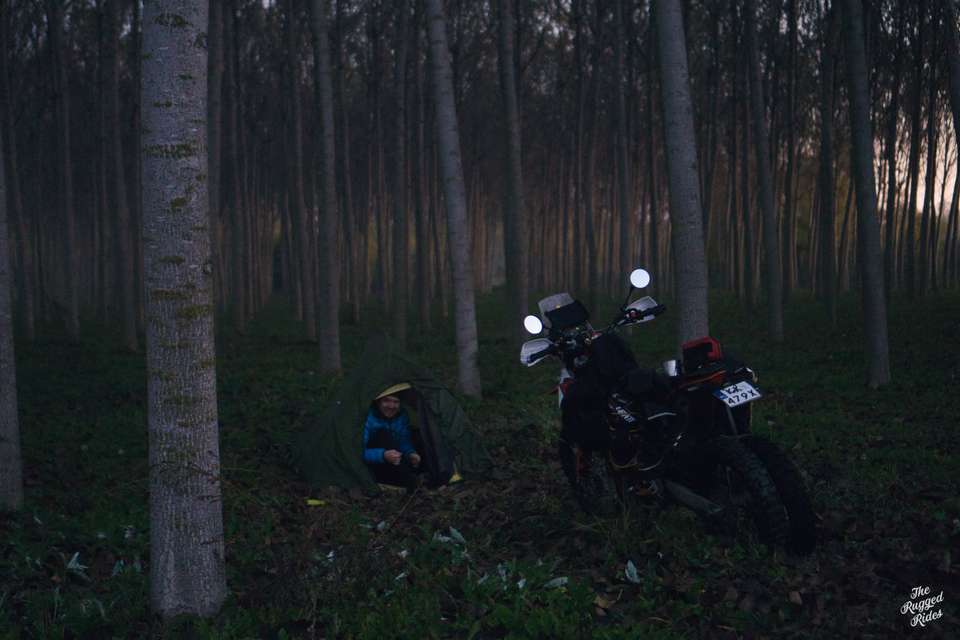
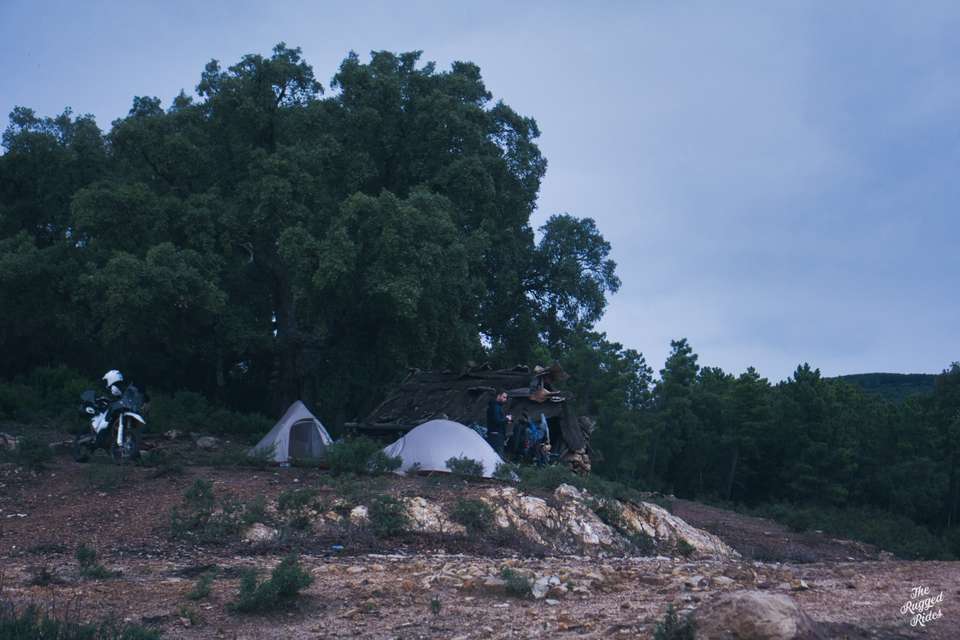
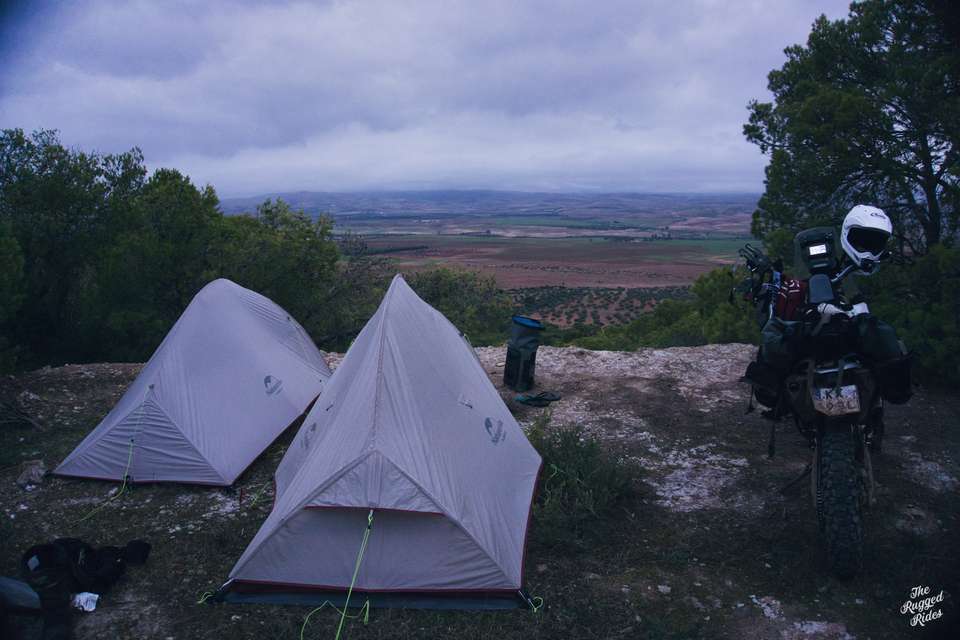
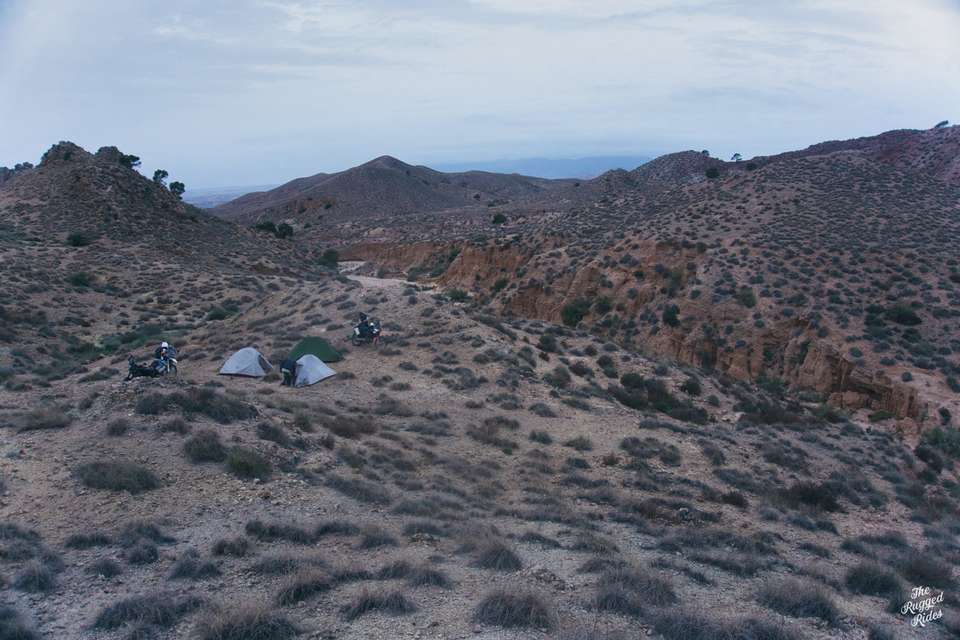
As usual, we didn't use hotels, we sleep under the stars, with the best views. This way in Tunisia works perfectly. With one exception - guarded national parks, when guards noted our entry, and others on the other side did not. This way, at night, we had aa inspection if everything is OK. As usual, carefully uniformed gentlemens from gendarmerie were extremely kind. Tout va bien!
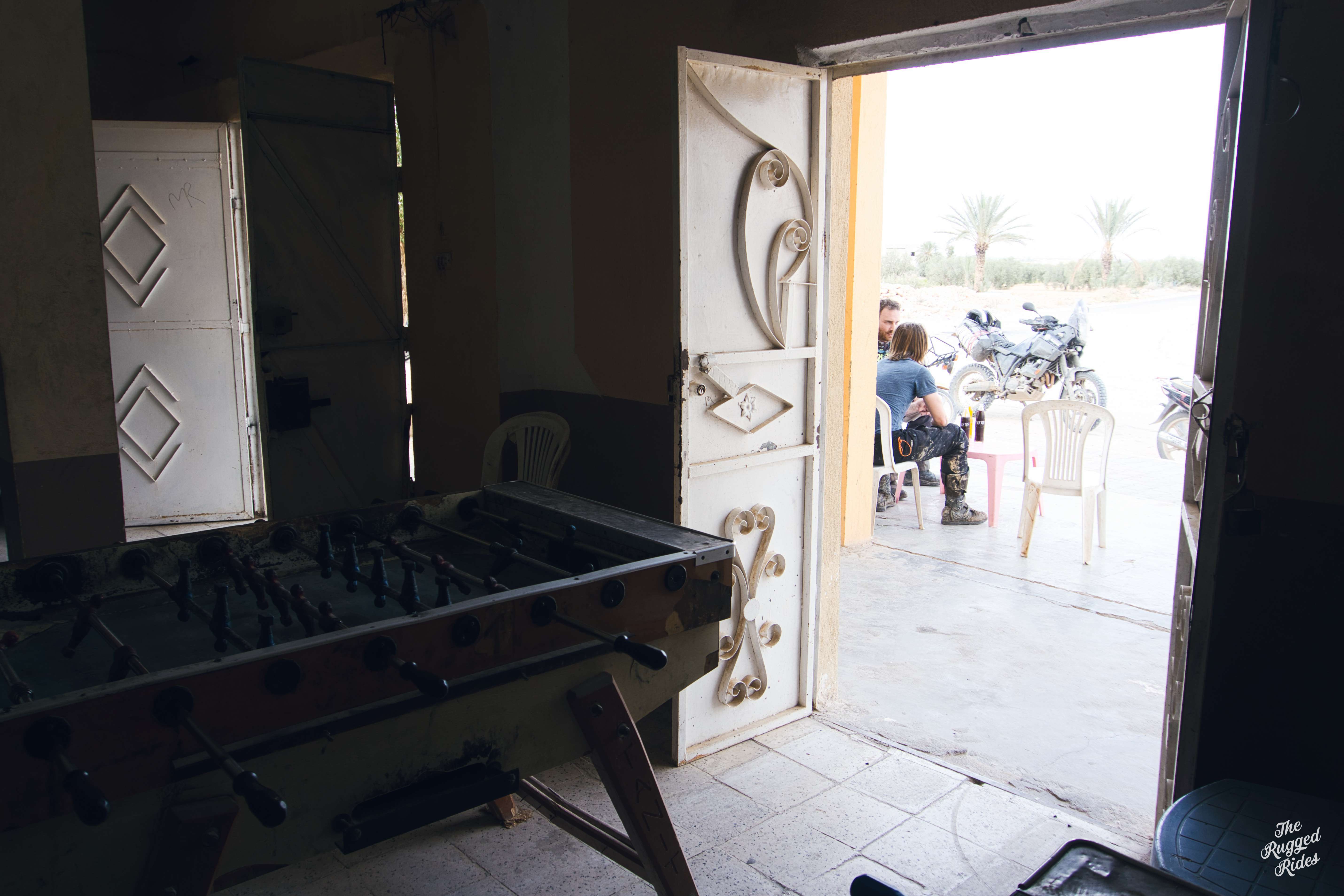
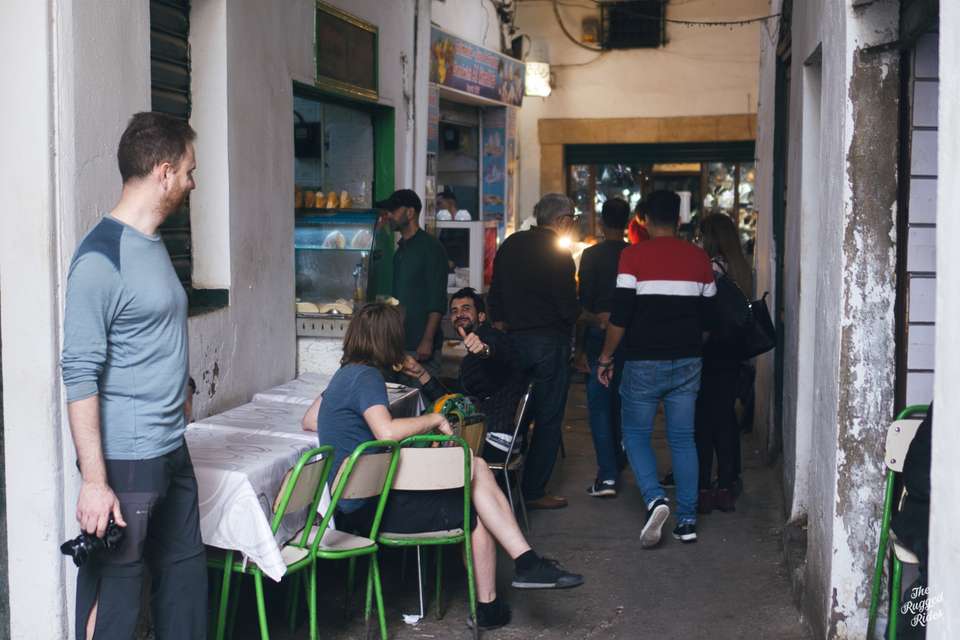
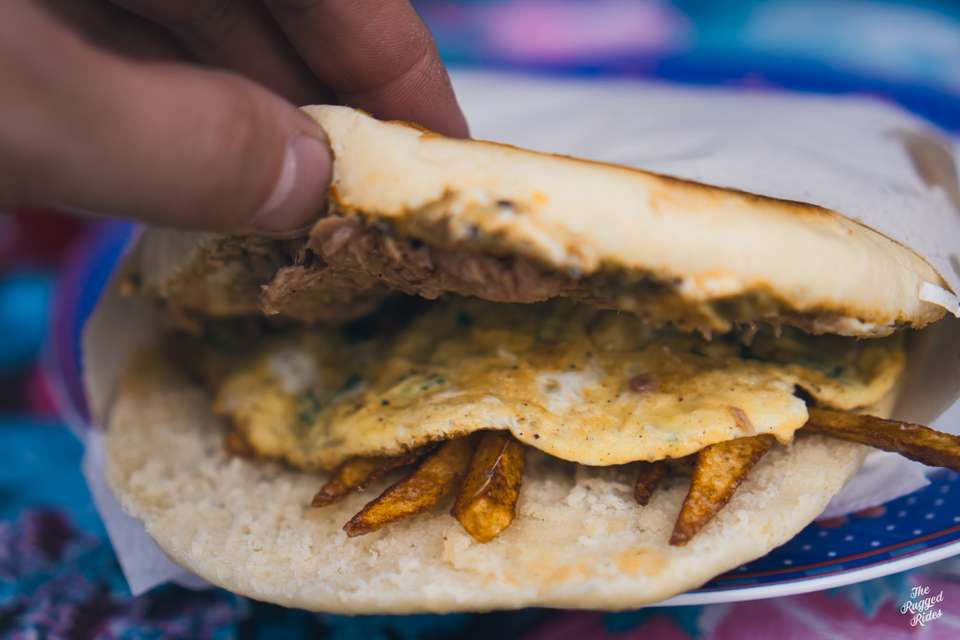
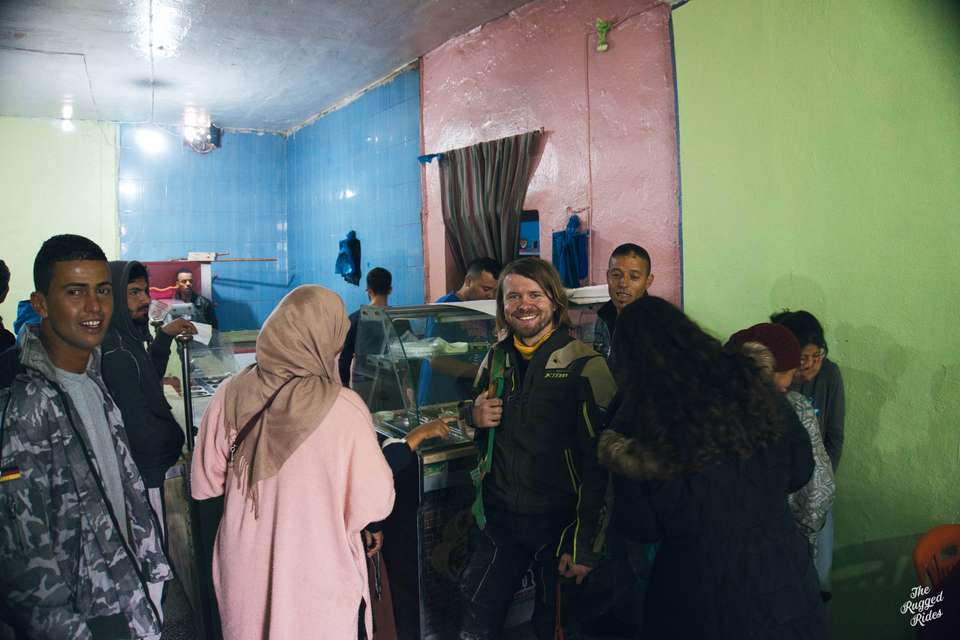
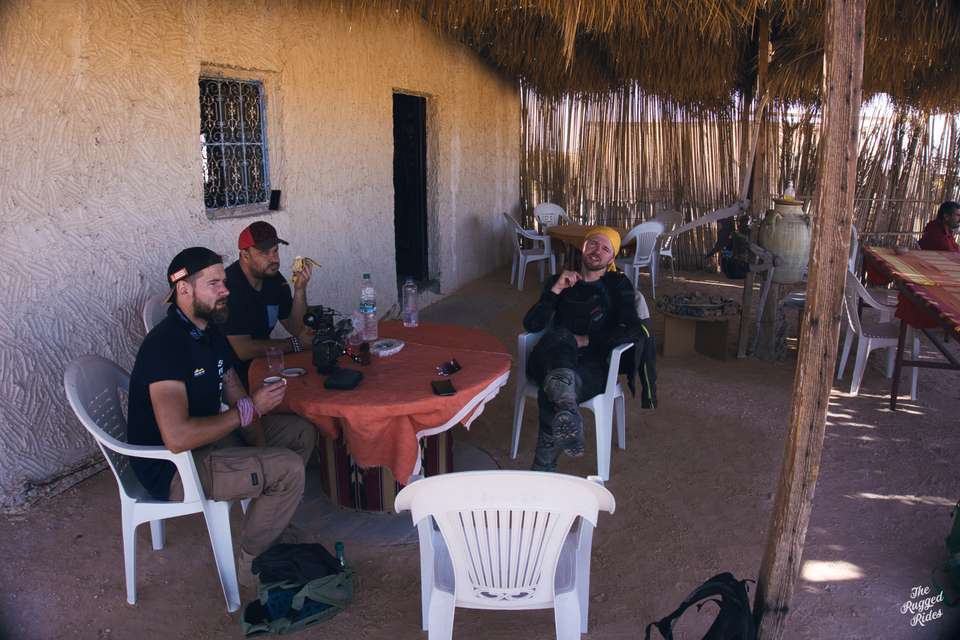
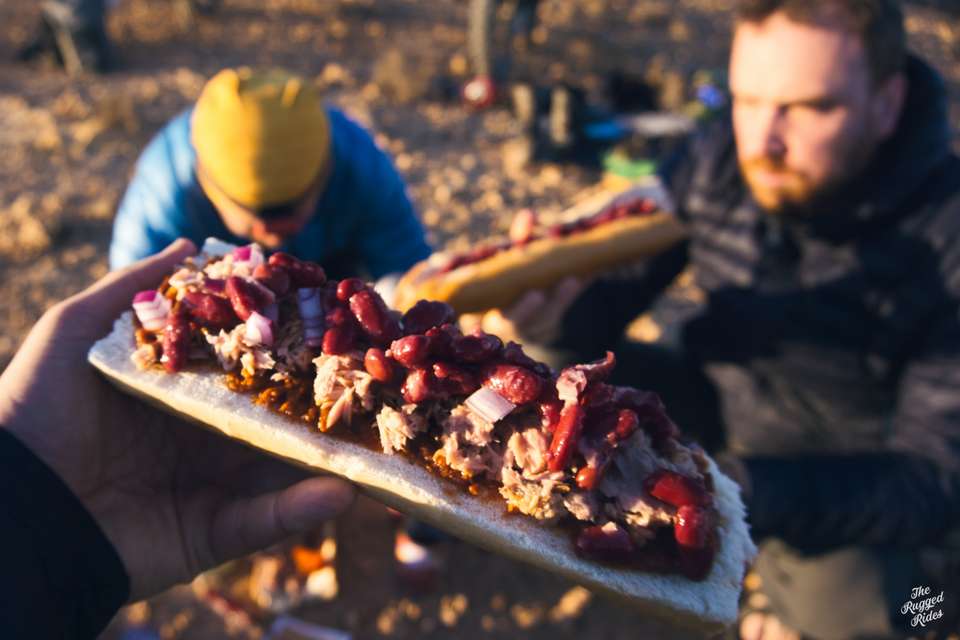
When traveling around the world it is really nice to try local food. In Tunisia, apart from restaurants, there is a lot of very good street food, their specialities are baguettes or flatbread (Mlaoui) with tuna, harrisa, omelette, chips and vegetables. Mostly with everything at once. They are wonderful. La Blabi and Molokhia are also worth trying. Especially the second, cooked for hours from leaves, is something that all foodies will be happy to taste. Following streetfoods we had felt in love, we also got into the quirky habit of eating baguettes with tuna and vegetables, harrissa and beans or peas while camping, I highly recommend it :-)
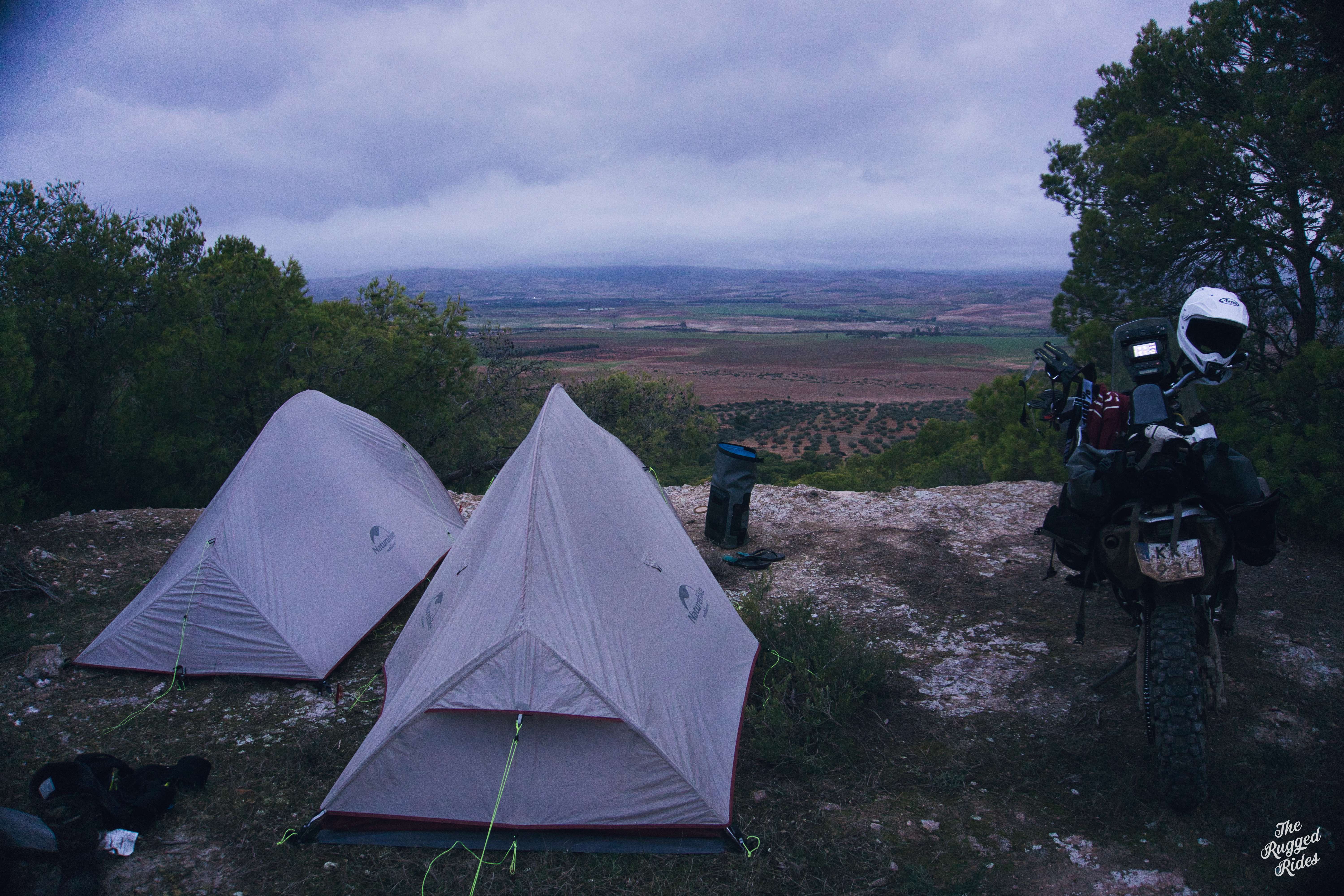
Water can be drunk from the tap, we have verified this at least in Tunis :-)
Language, prices, communication
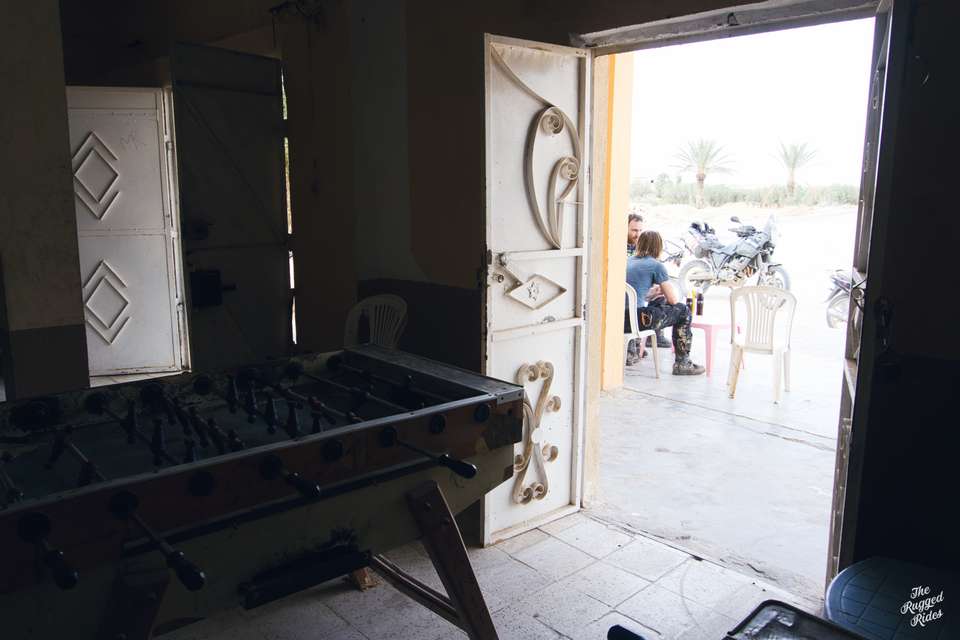
Unless you know how to speak Arabic or French it will be quite a challange to talk to the locals :-) When you get to some tourist area then you can count on speaking in English, but it is not common everywhere. However, every person you meet will be so curious and willing to help You, that you will surely be able to get what you need speaking with your hands and whatever language You want. An offline dictionary on your phone also works very well, Google Translate is very good. Next time, I am going to learn basic phrases in Arabic and French.
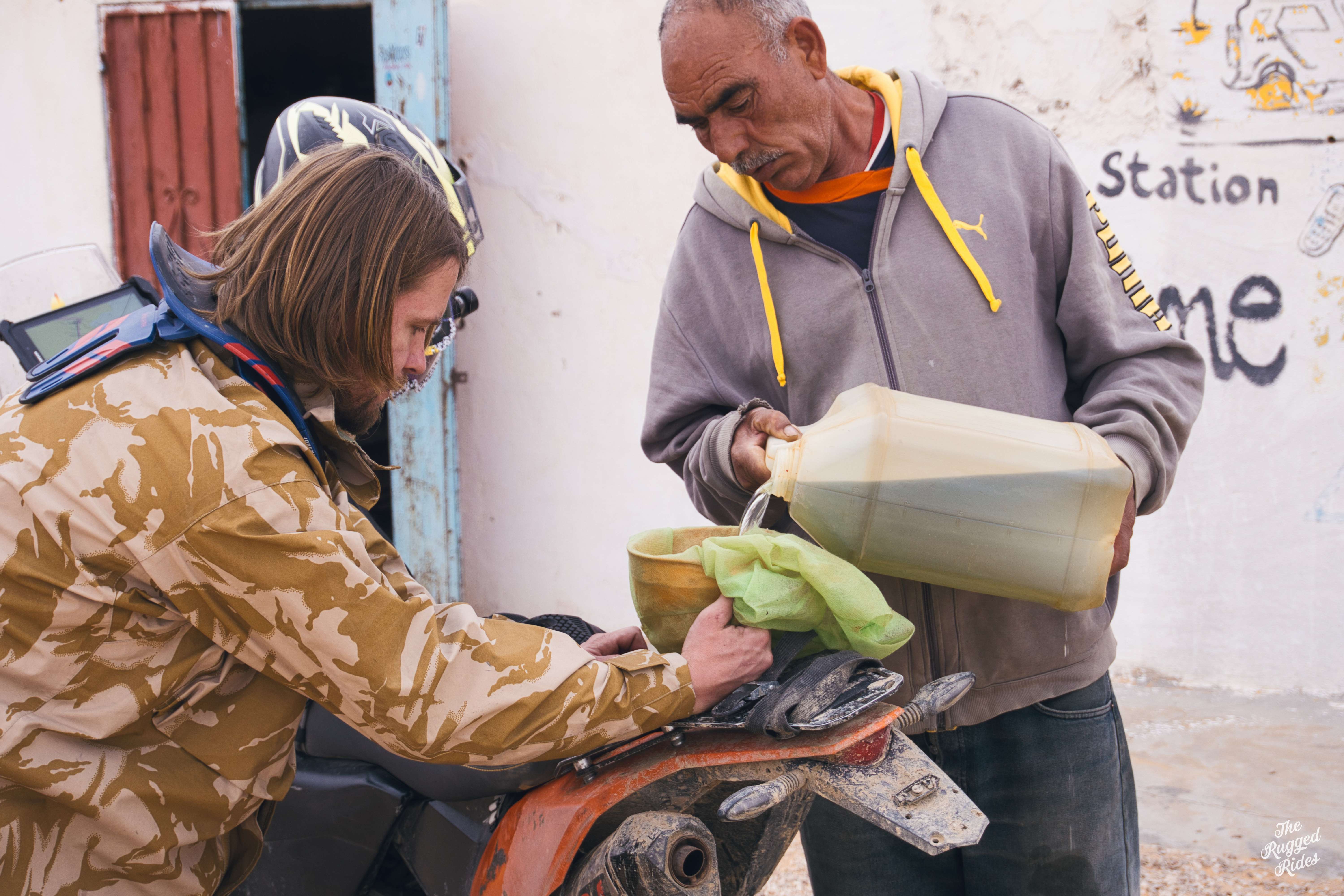
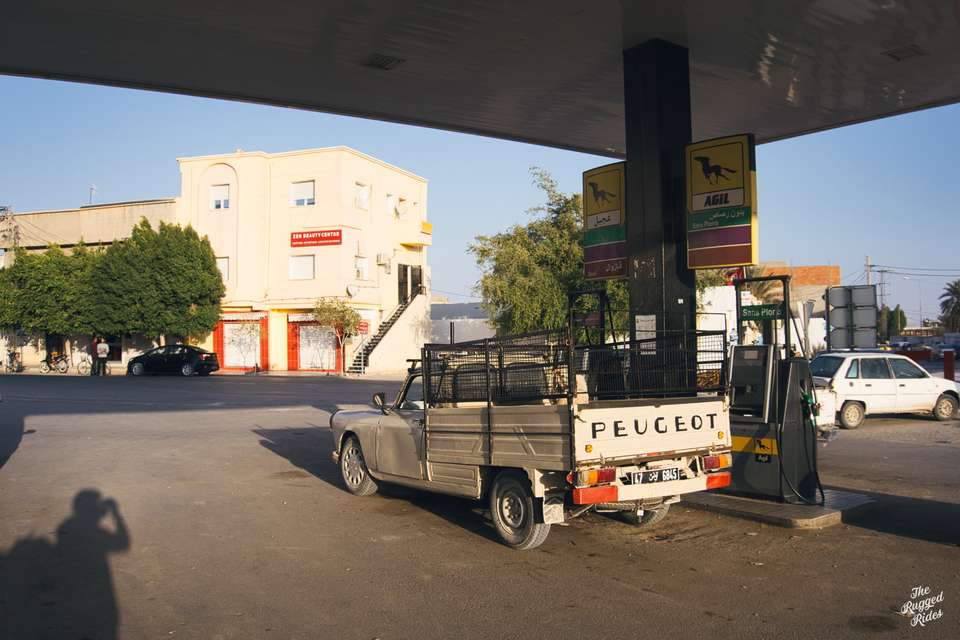
Money, Tunisia is a cheap country. Fuel for 2 TND, street food for 3-7 TND, coffee 0.5-2 TND, restaurant 15 TND. The Dinar exchange rate is currently approx 30 cents. Lovelly, isn't it?
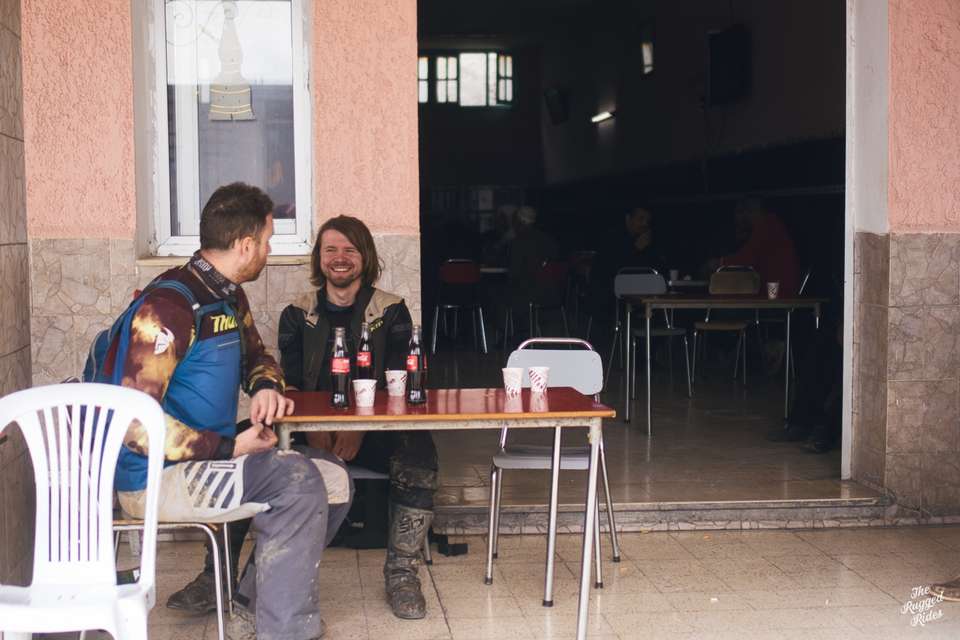
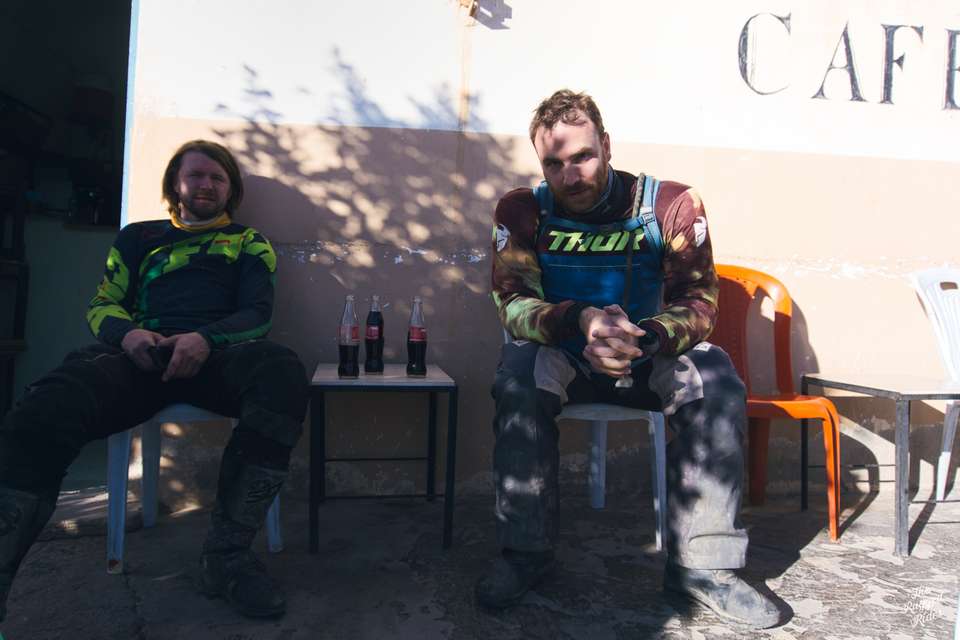
As a rule of thumbs, when I travel I go offline, so I will not write anything about local SIM cards etc. What may be interesting to know is that basically in every cafe there is a good wi-fi available, of course free of charge. Tunisians, like the whole western world, are into facebook, they have accounts on Messenger and are willing to connect with you.
Equipment
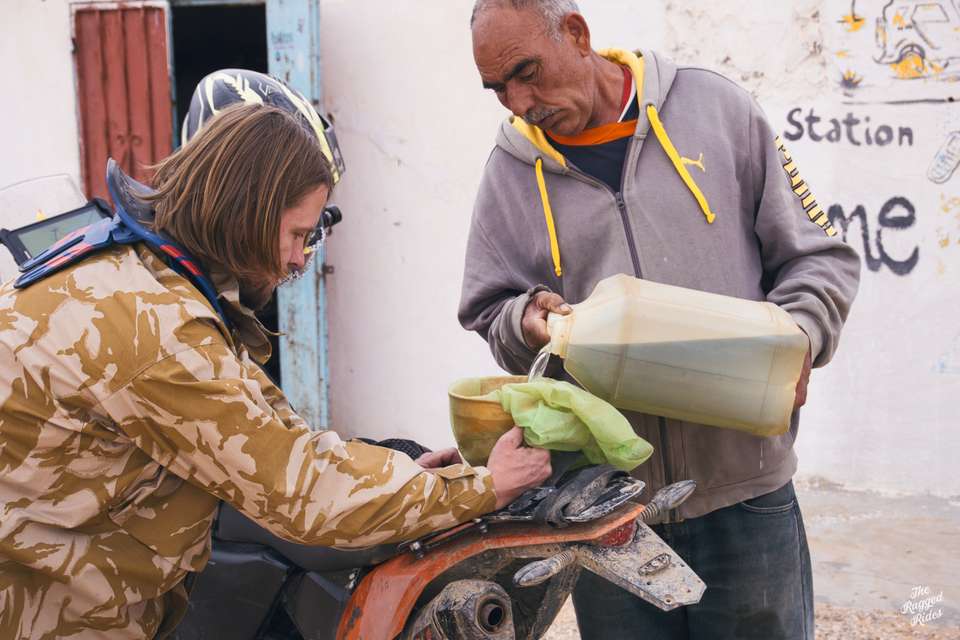
Apart from the Sahara, Tunisia doesn't have any special equipment requirements. So standard, reasonably light motorbike and luggage set will provide plenty of fun and adventure. Tyres for rocky surface such as the Motoz Desert work well, the Pirelli MT21s were also excellent, for the front, whatever you prefer will do. The rocks are not sharp and there are no massive acacia thorns lurking. However, it is worth having some spare inner tubes, as well as other parts for the bike - local workshops specialise only in small Chinese scooters, they are not accustomed to large and modern bikes. It is also worth taking sun cream, even with no direct exposure, a whole day in diffused light in the desert can burn you hard.
If it comes to drones, let me put it this way, in Tunisia there is an official ban on importing and using drones, however, if you visit the country by land (i.e. by ferry), and you really want to, you may try ;-D
People
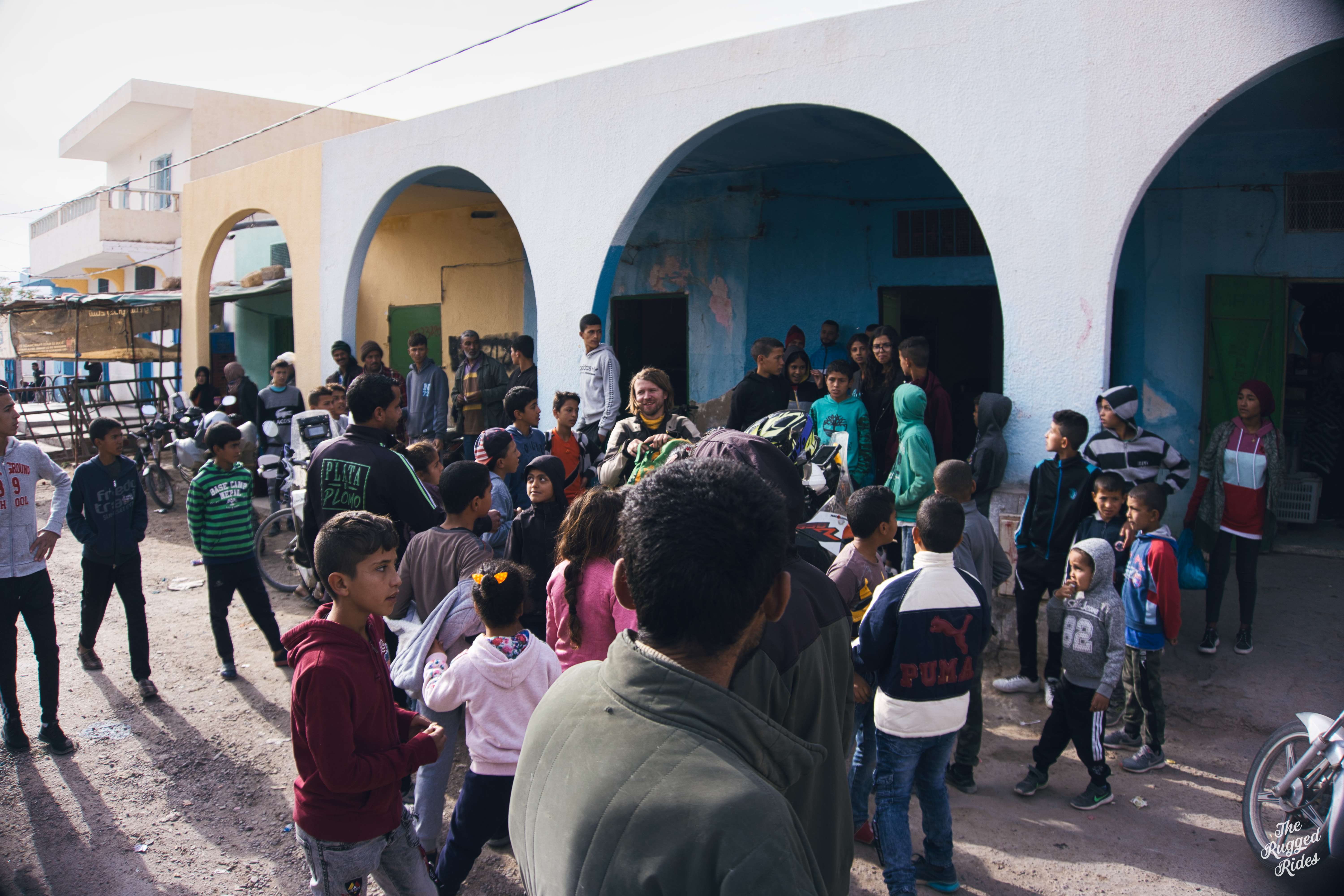
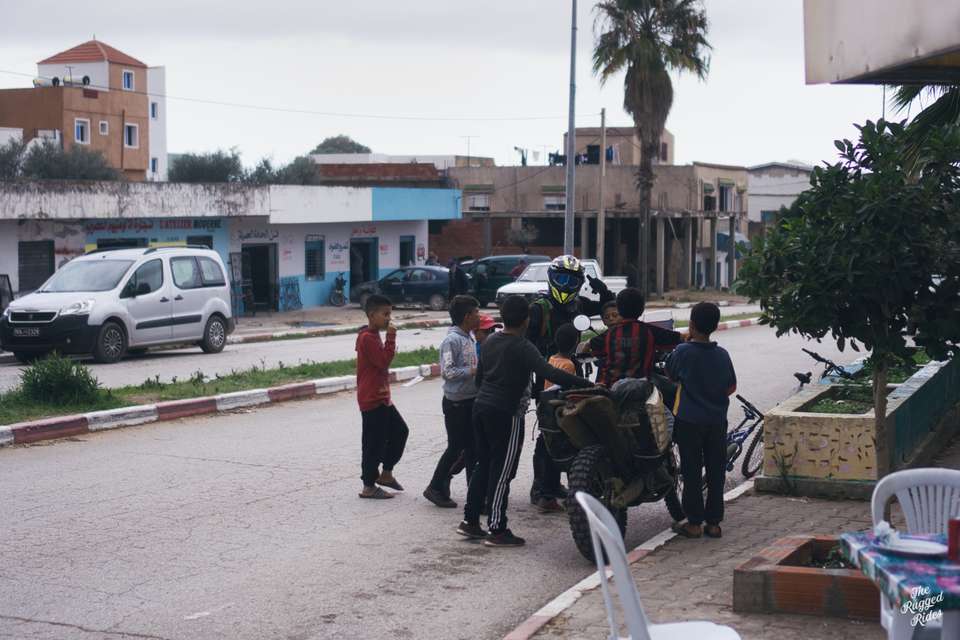
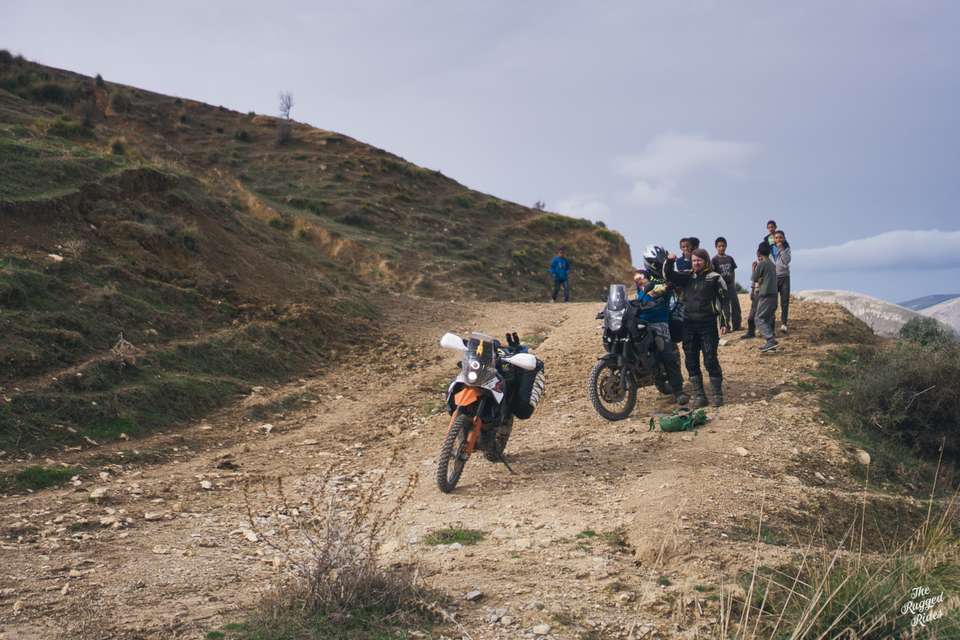
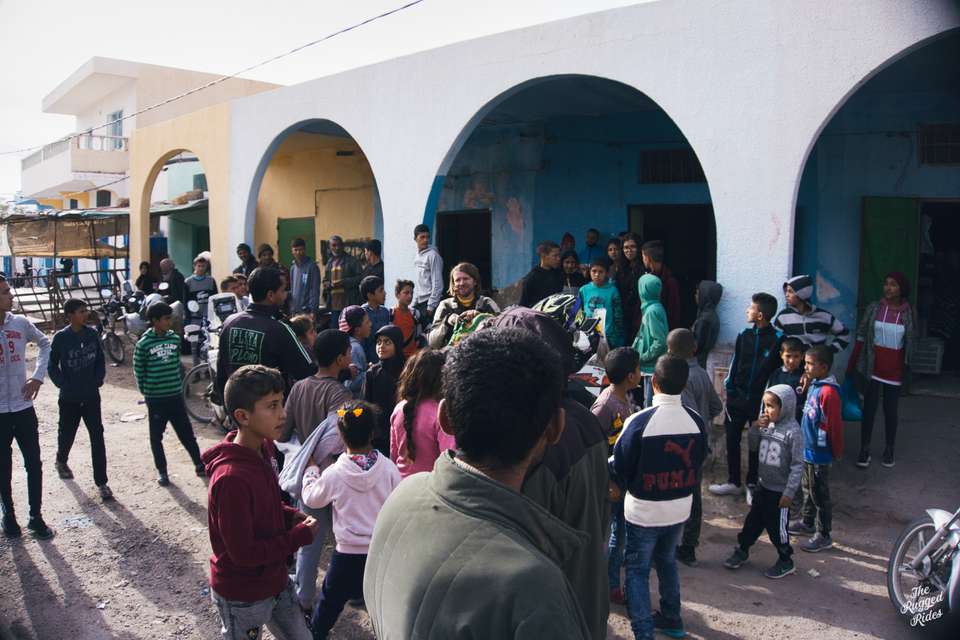
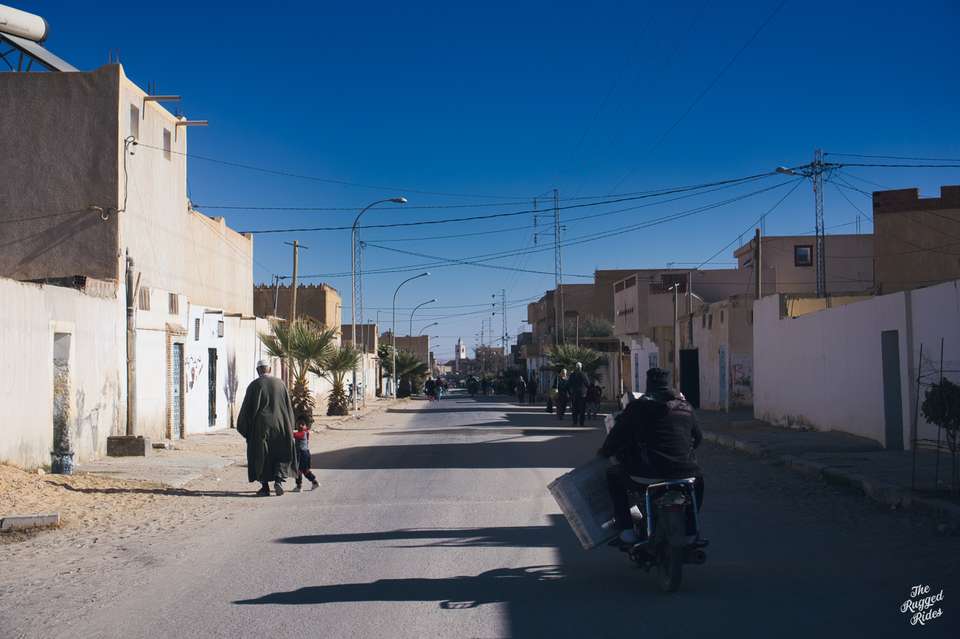
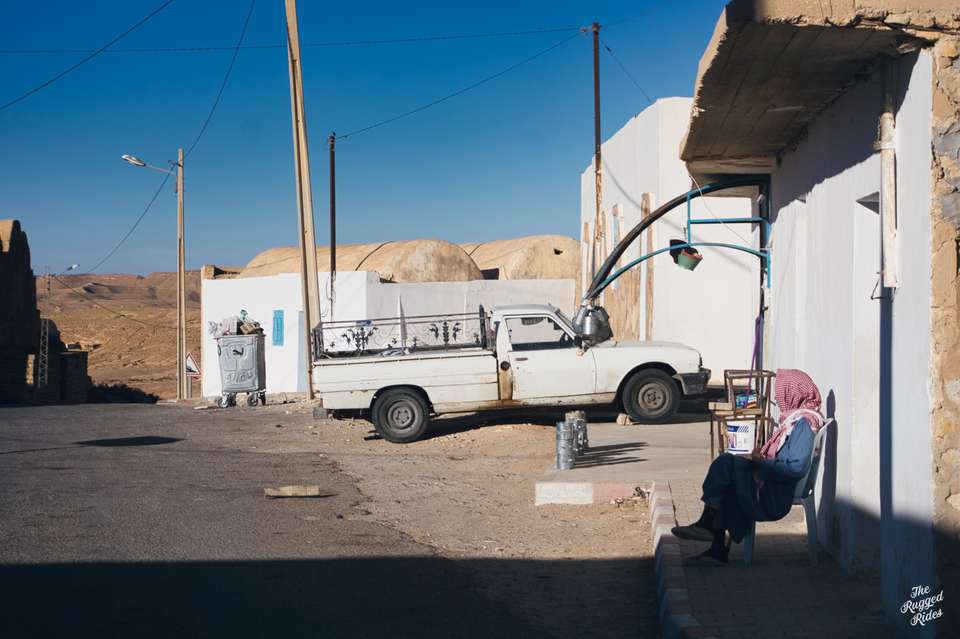
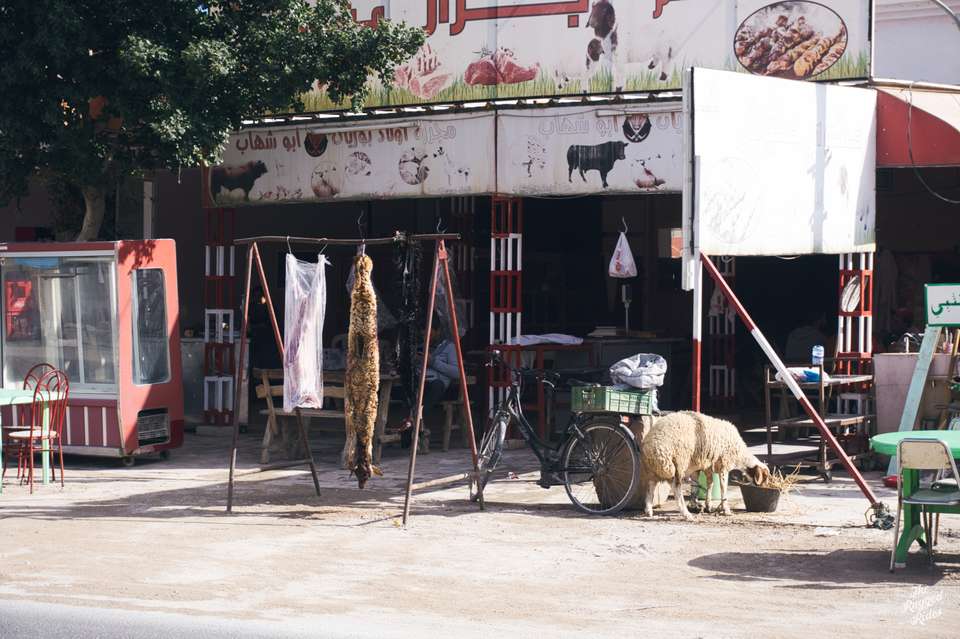
I have reached the most important point, people of Tunisia. What we experienced is only a friendly approach. I don't know whether it is a natural kindness or these people miss tourists so much and want them to return, but their behaviour and kindness were super nice everywhere and all the time. They want to make sure that you feel comfortable and nice, for example, if there are too many kids to take a selfie with you and the bikes, someone will always chase away some of them so that, in their opinion, you feel nice enough. And so at every turn. We have talked to local guides, they strongly see the lost potential in tourism and want tourists to return to their country. I am glad that we had the opportunity to be there just now!
Leave a comment