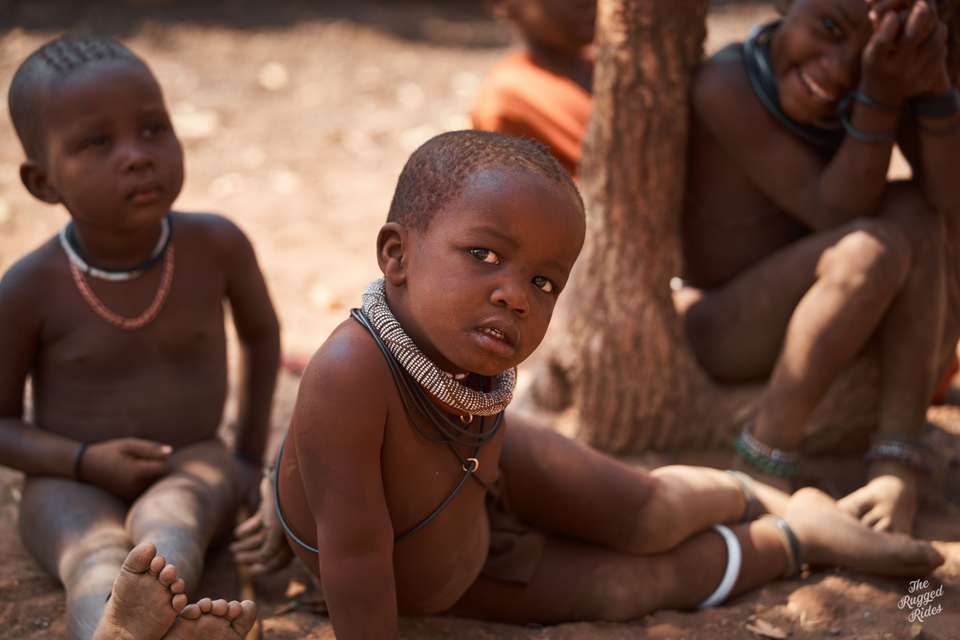
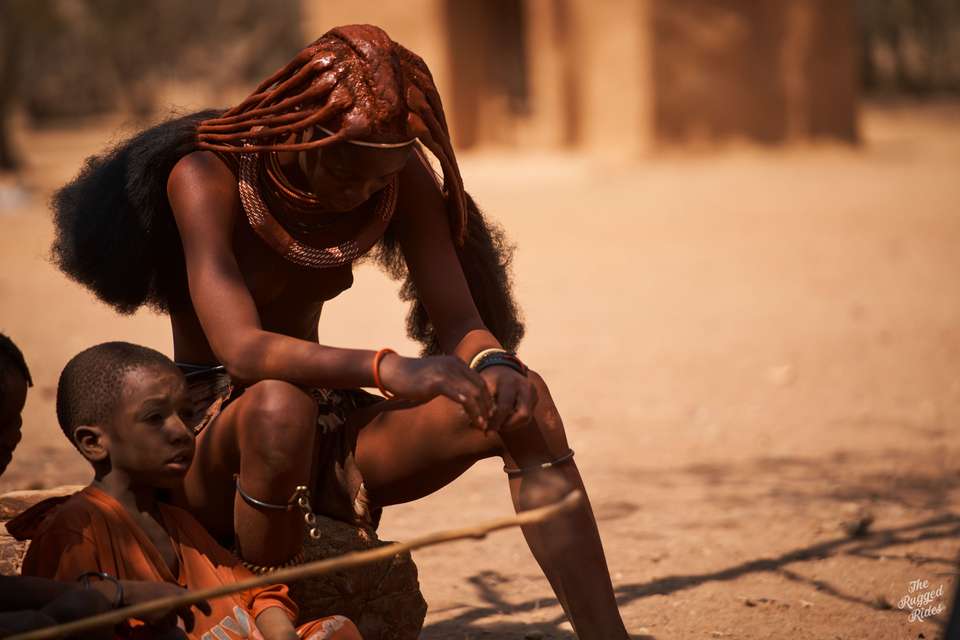
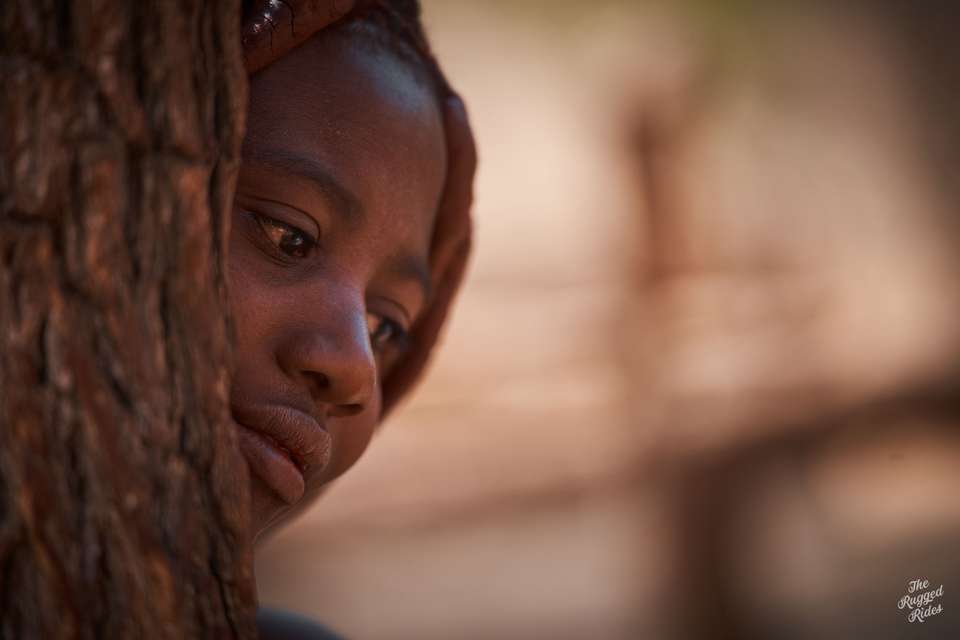
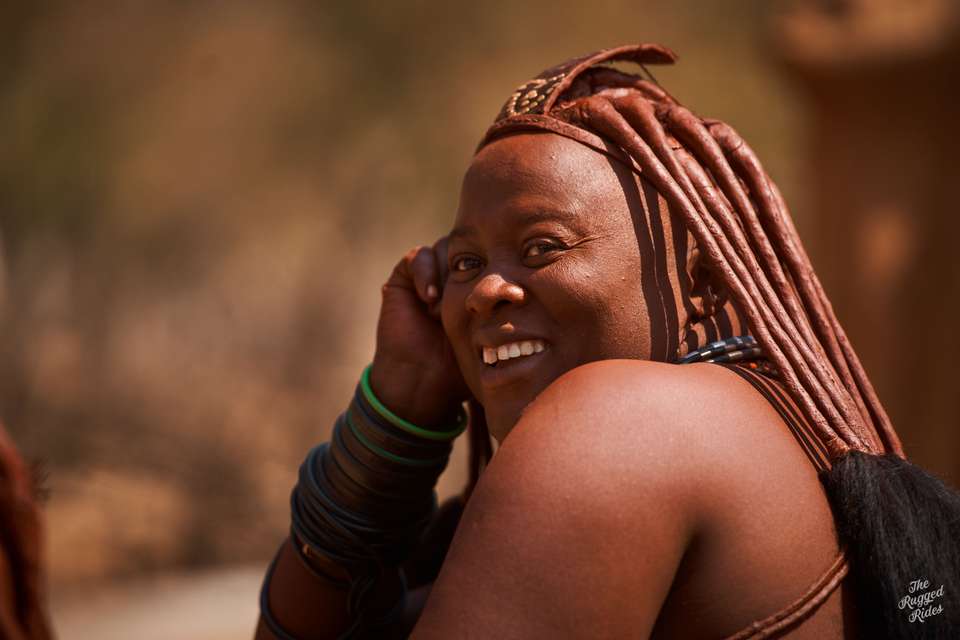
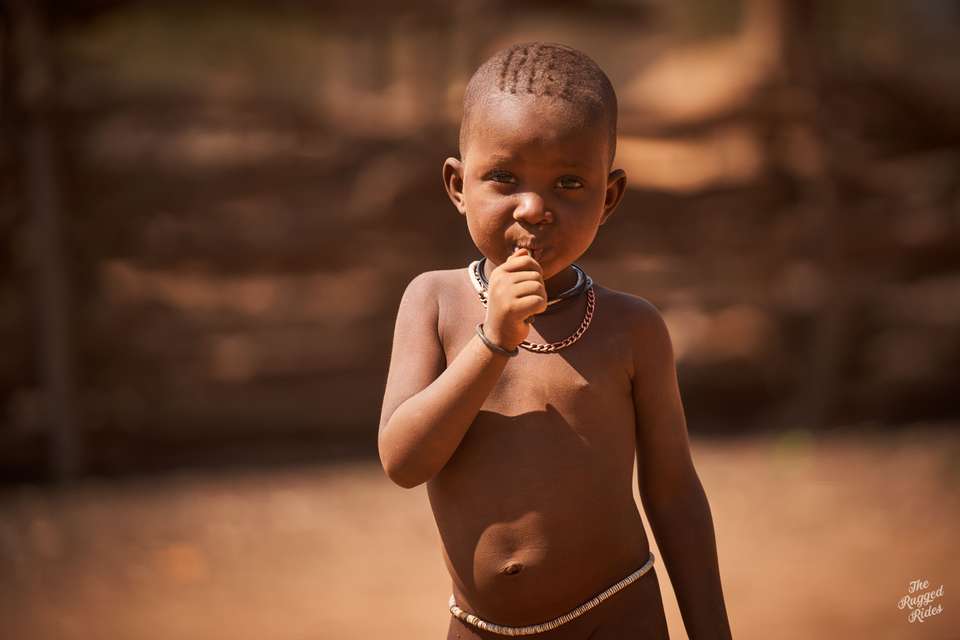
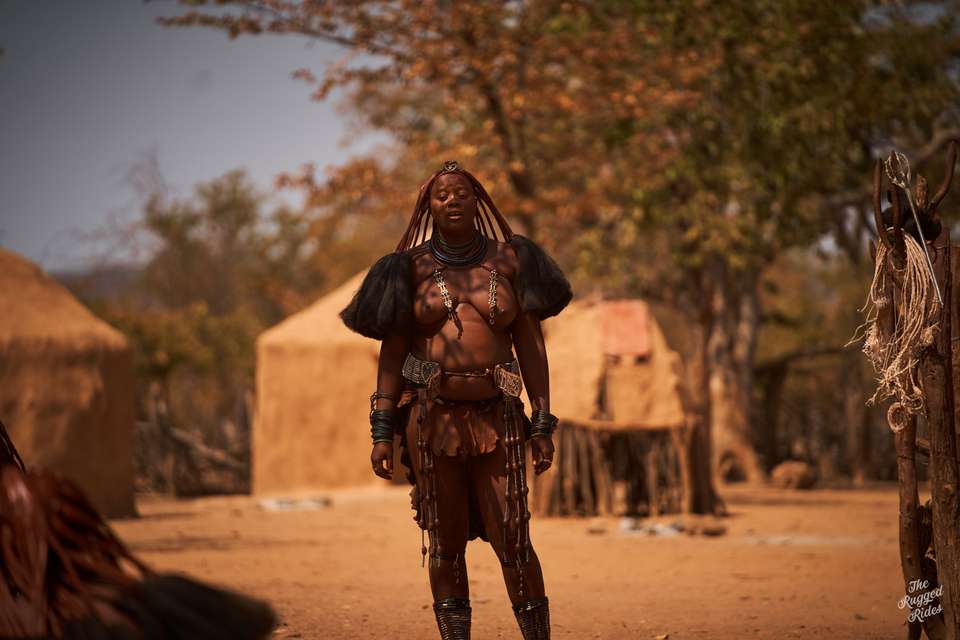
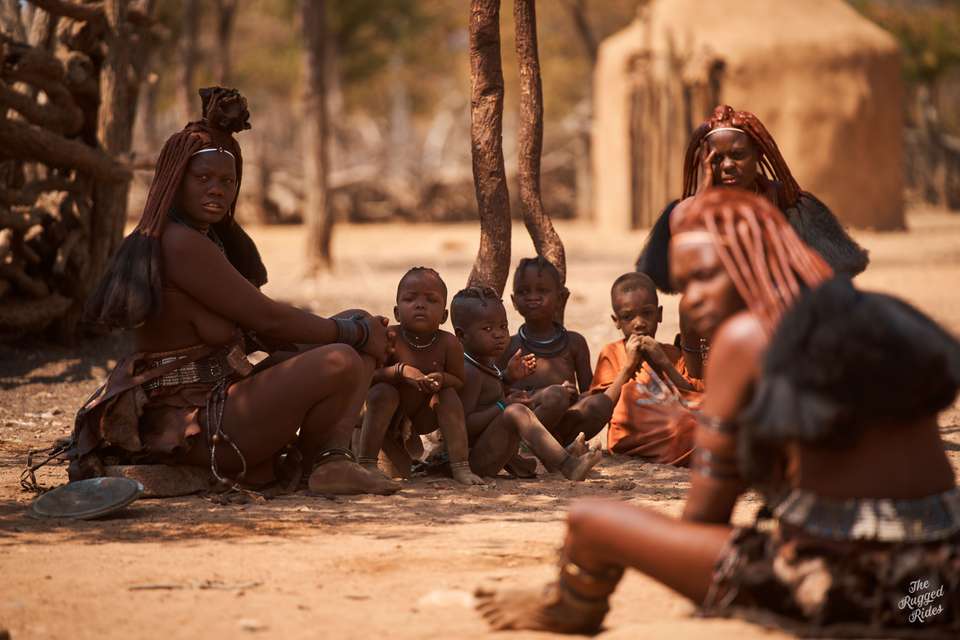
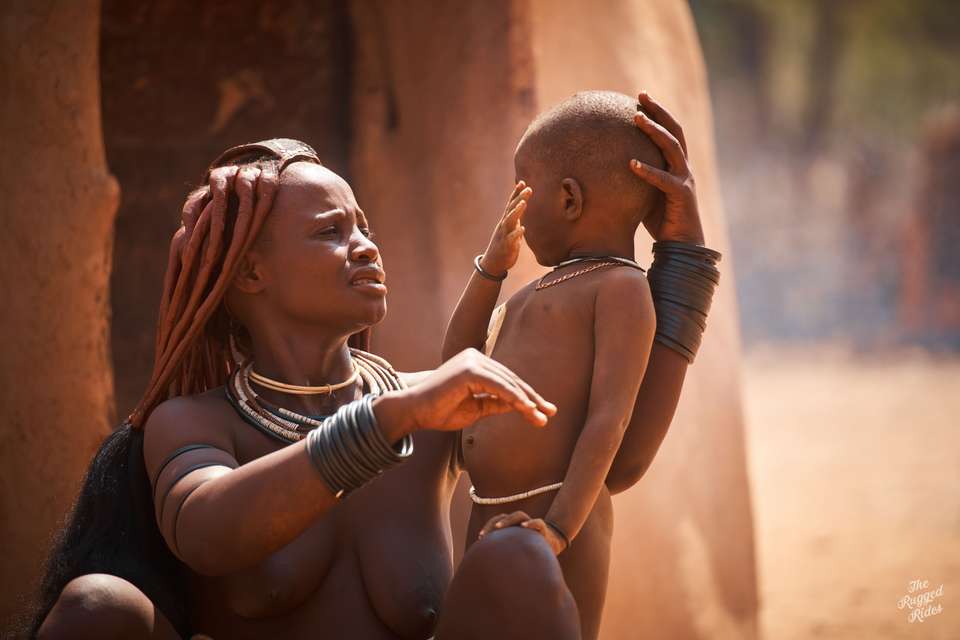
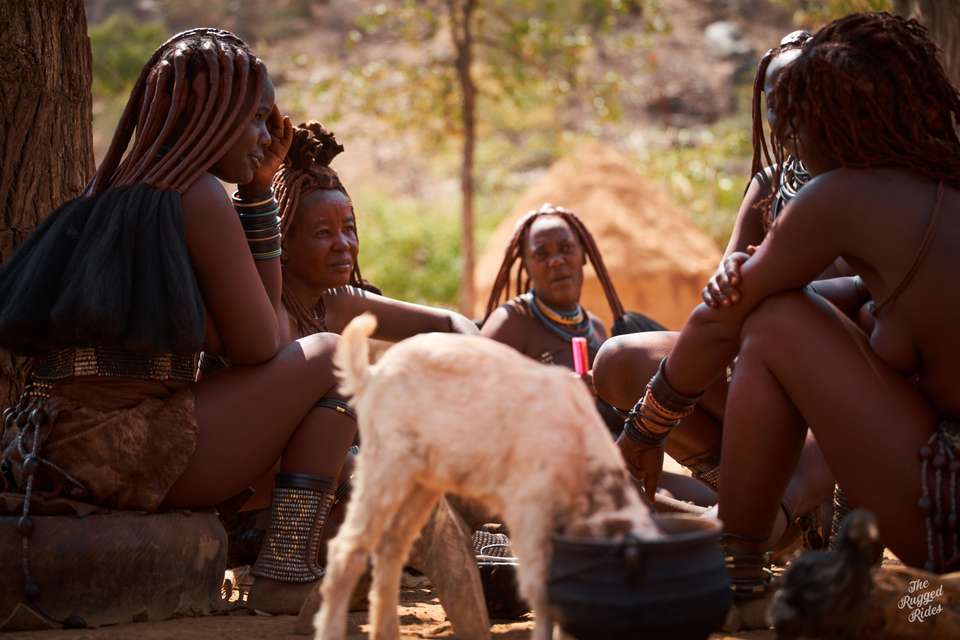
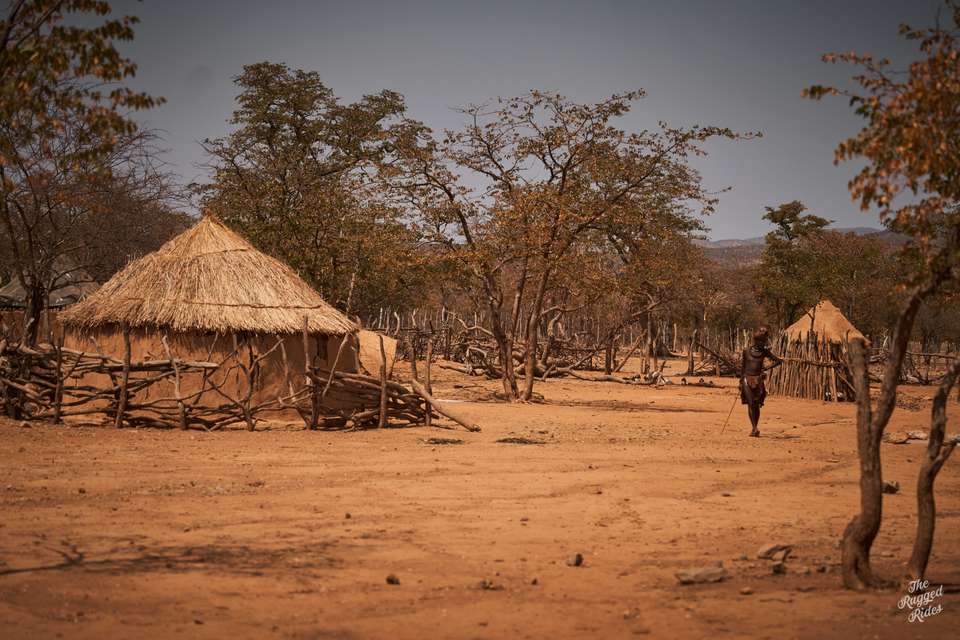
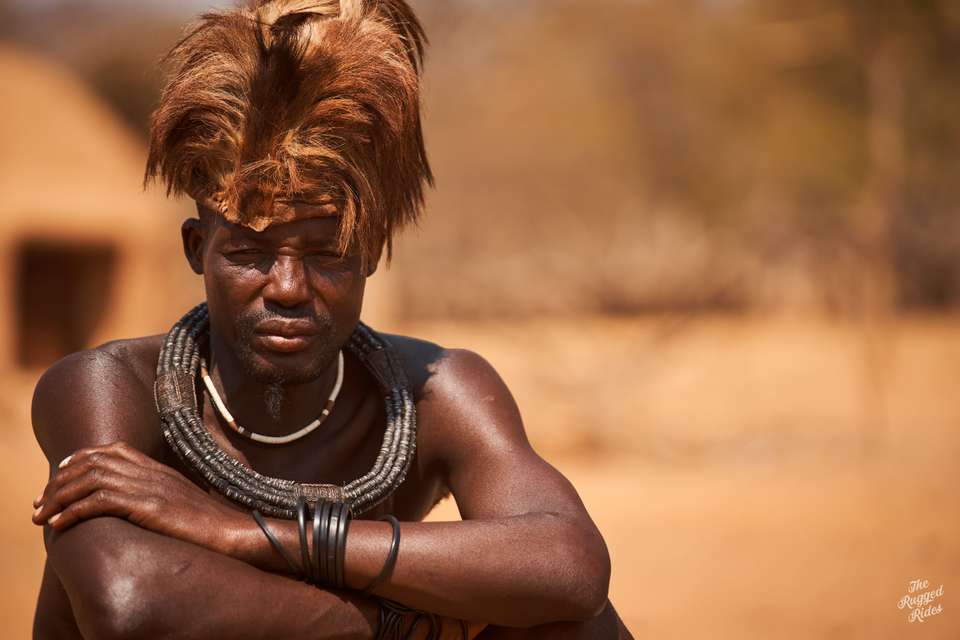
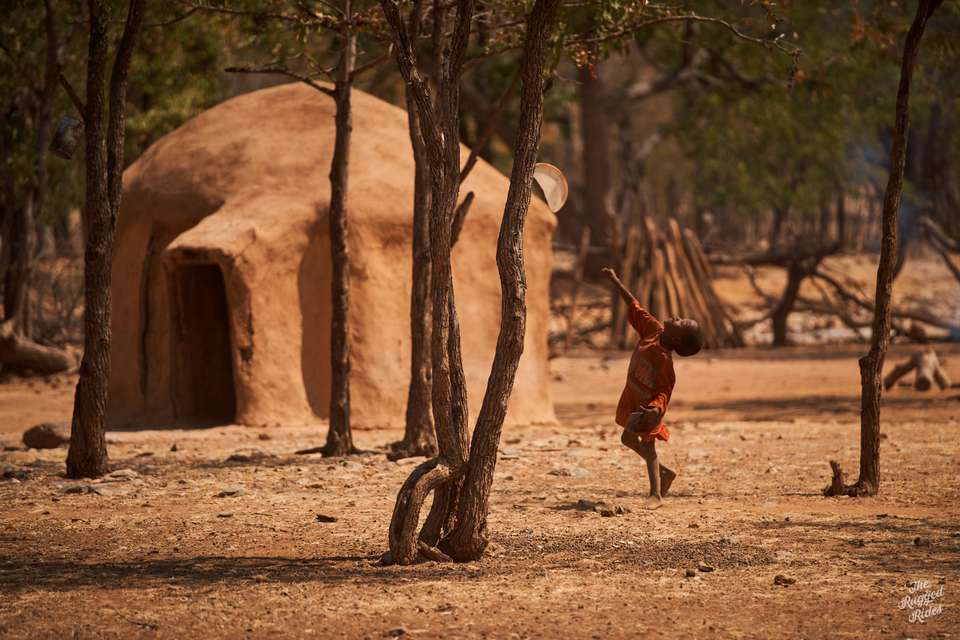
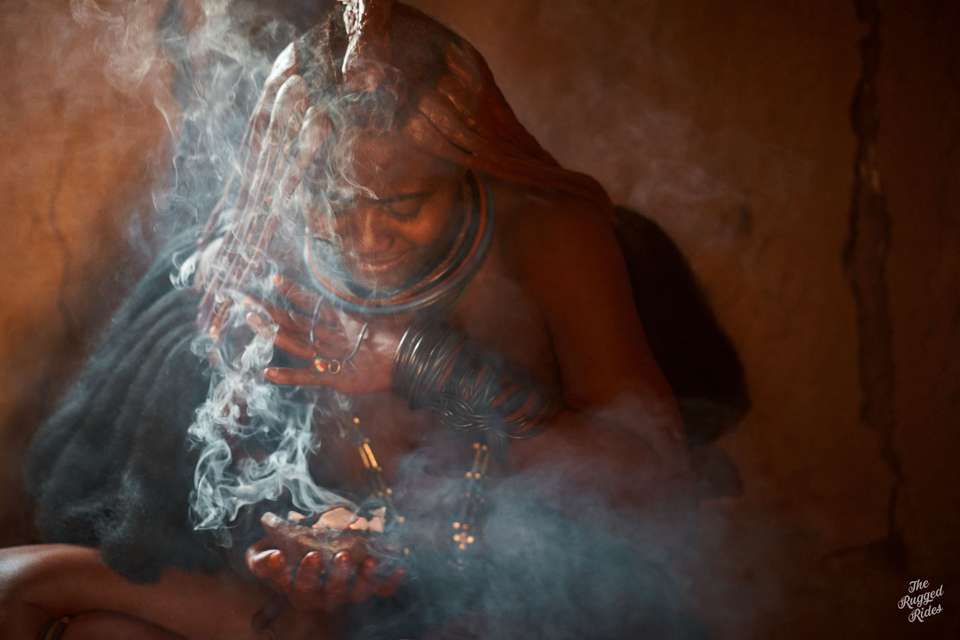
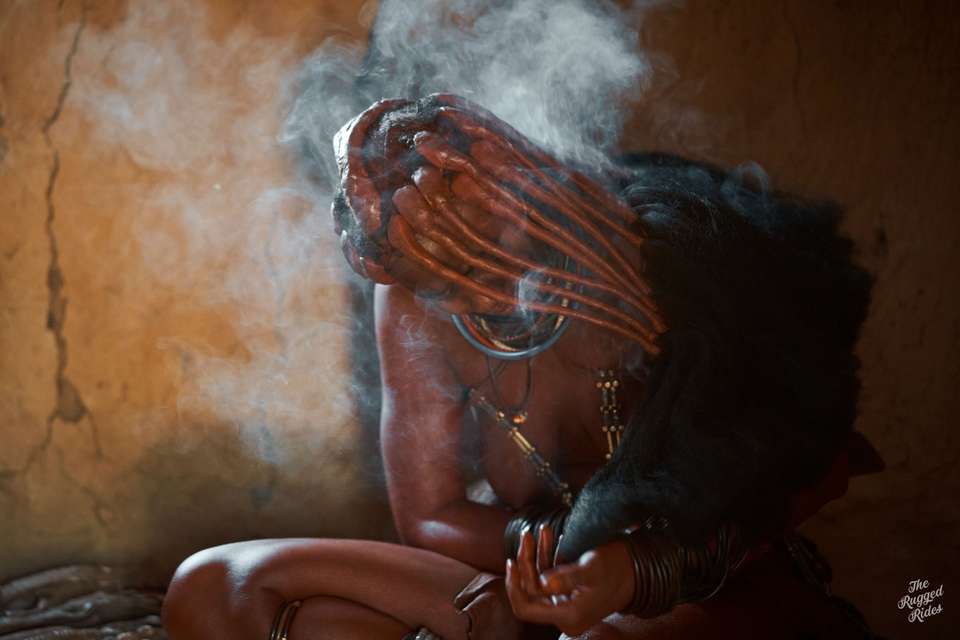
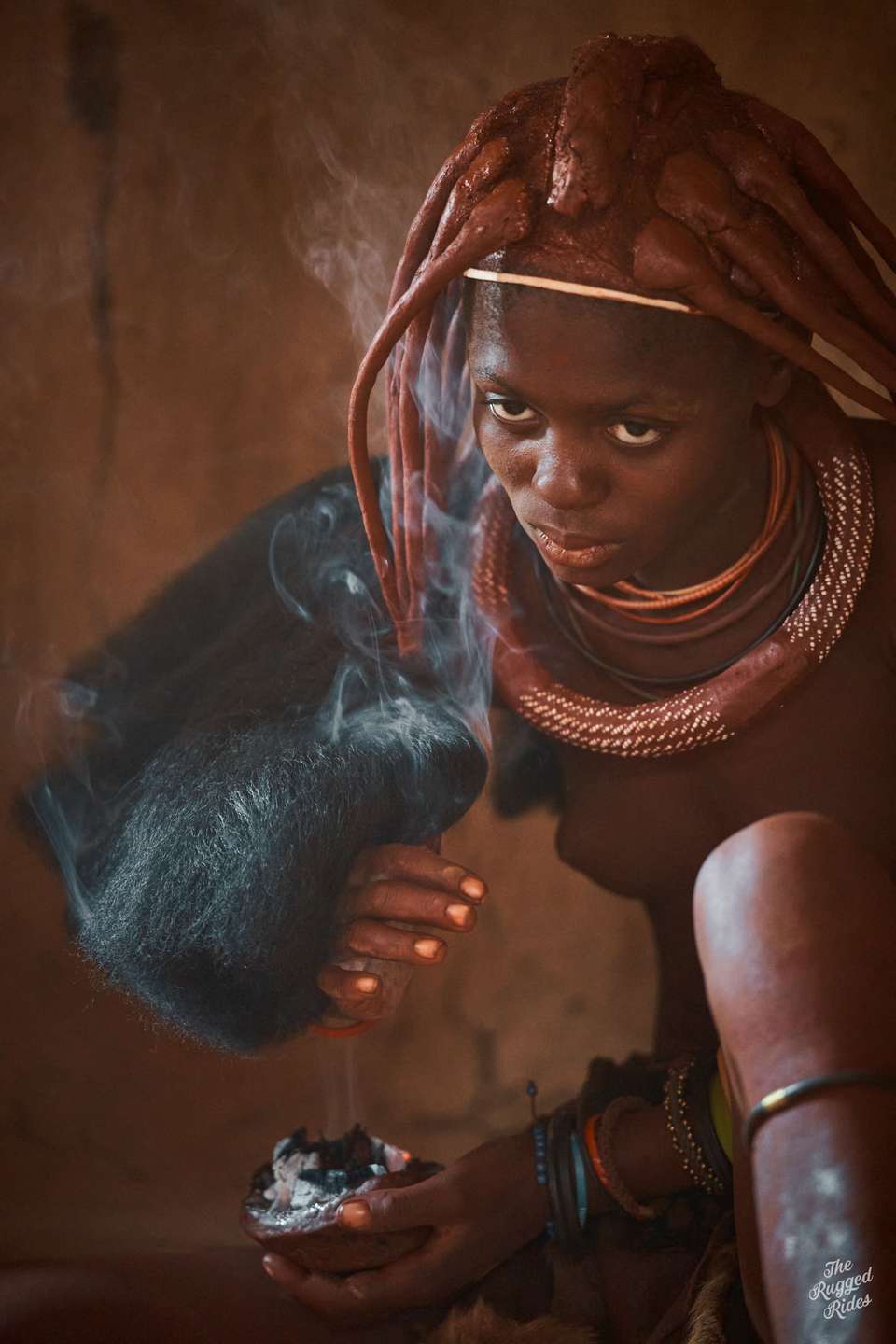
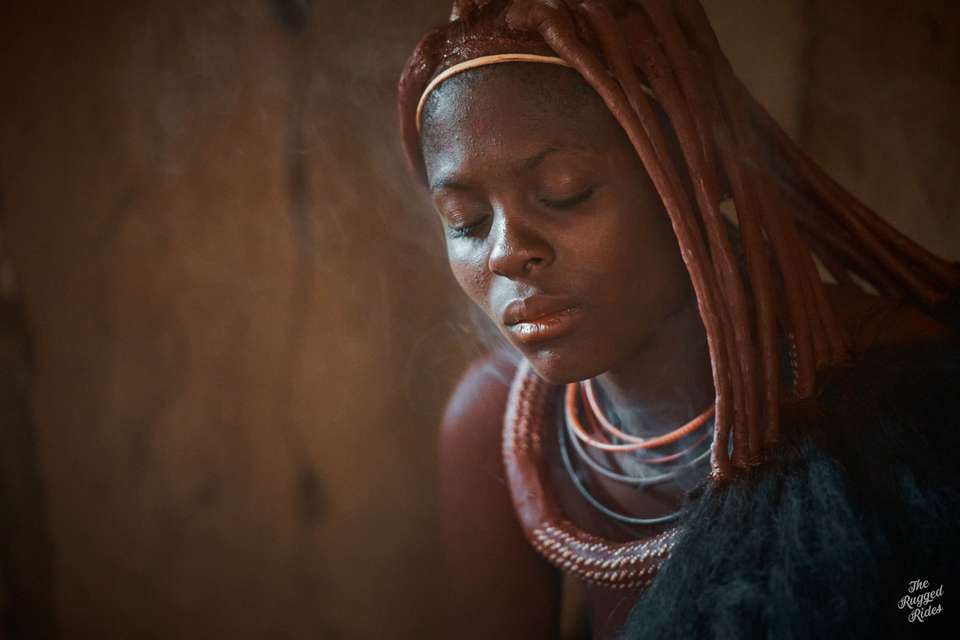
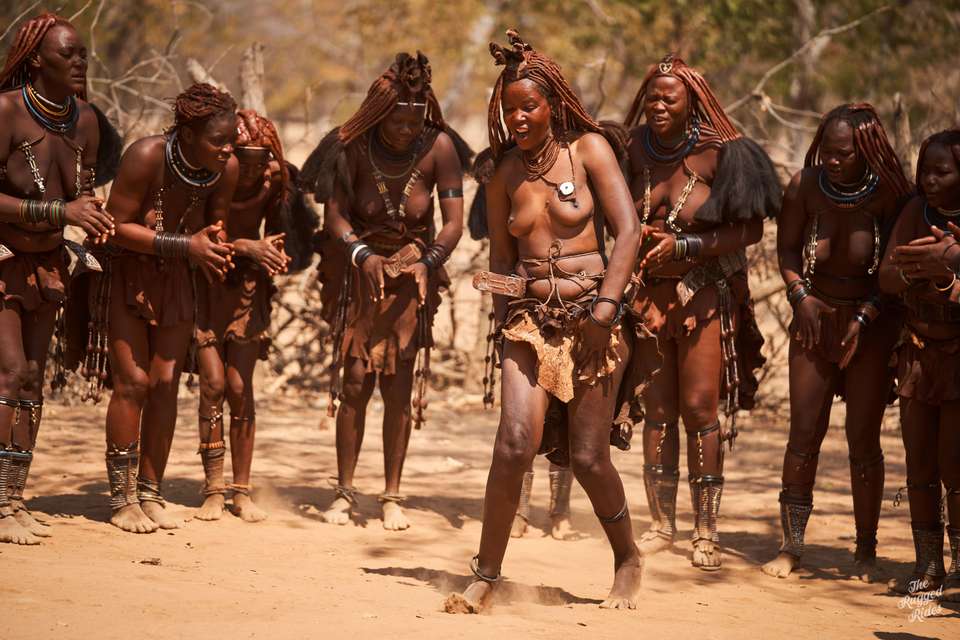
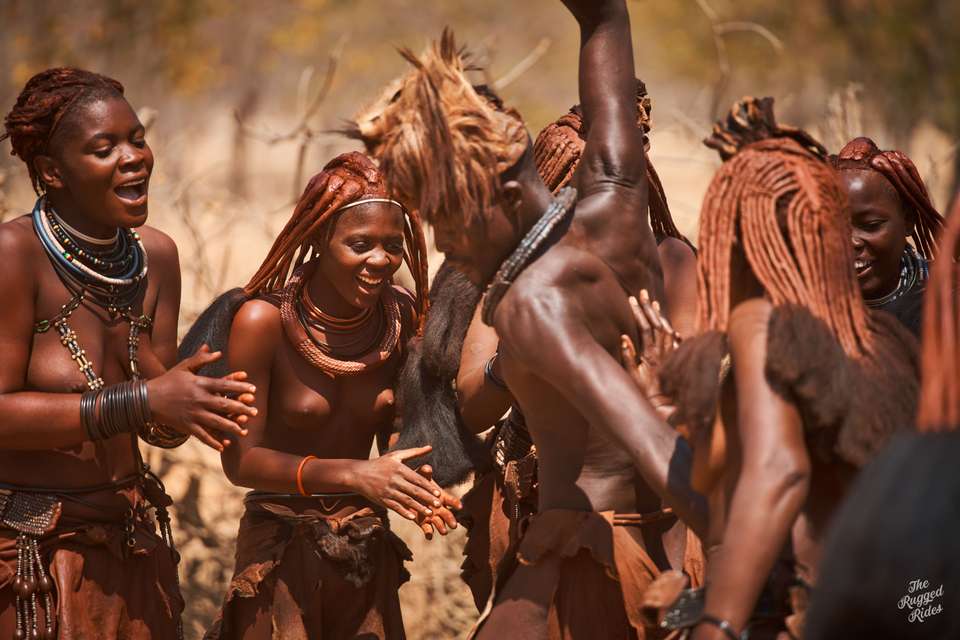
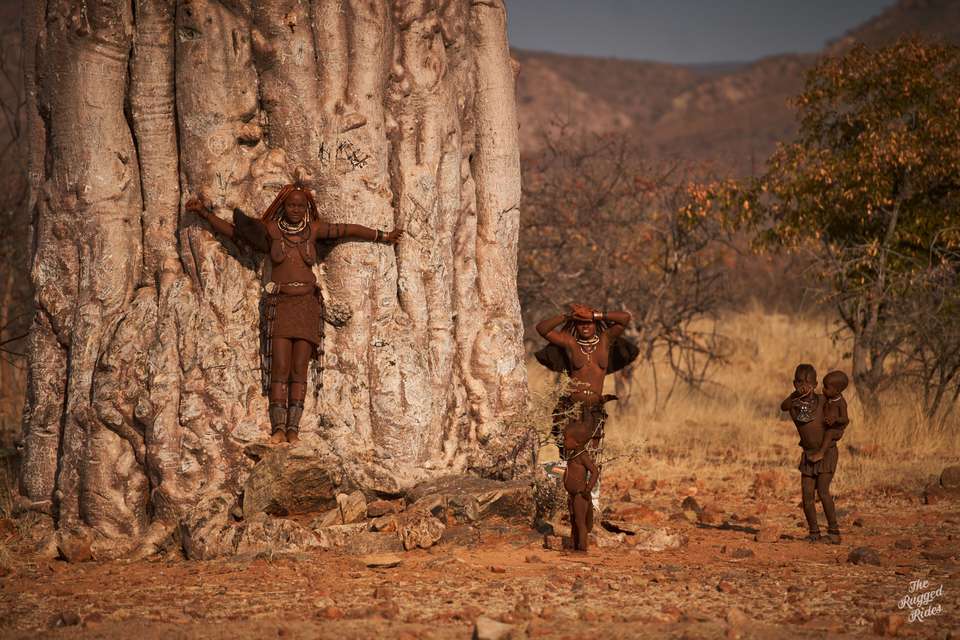
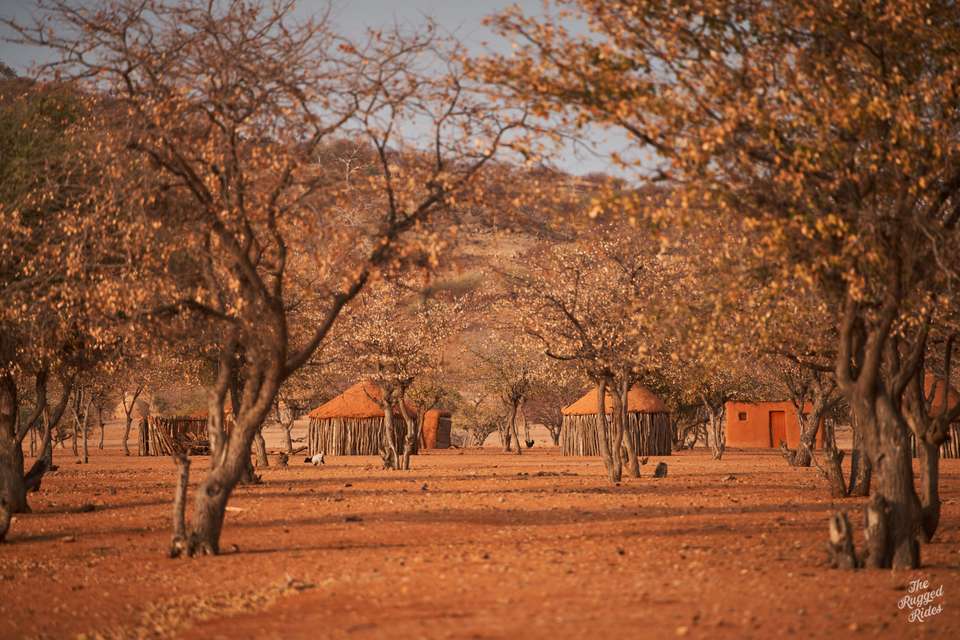
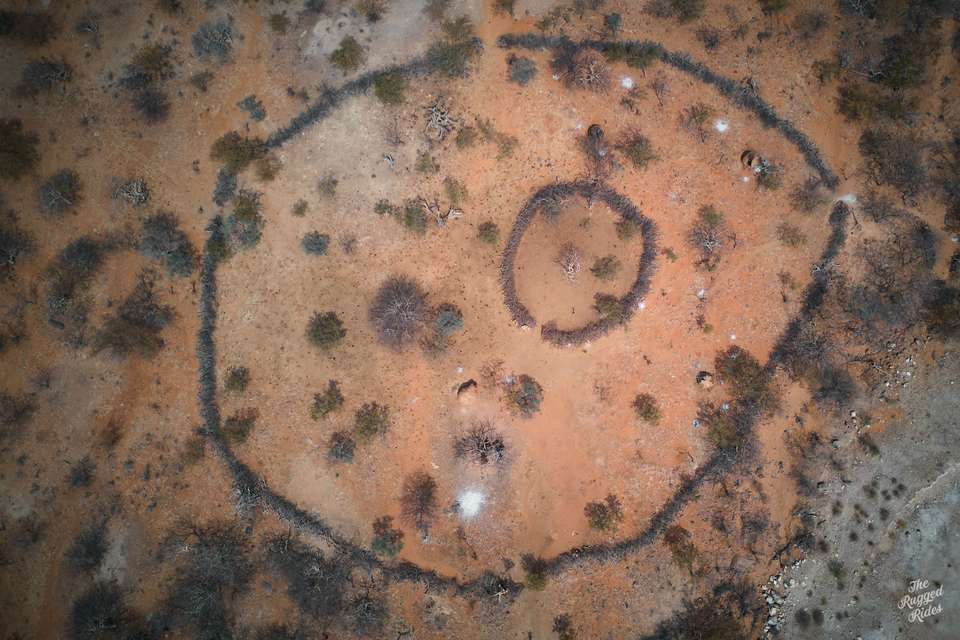
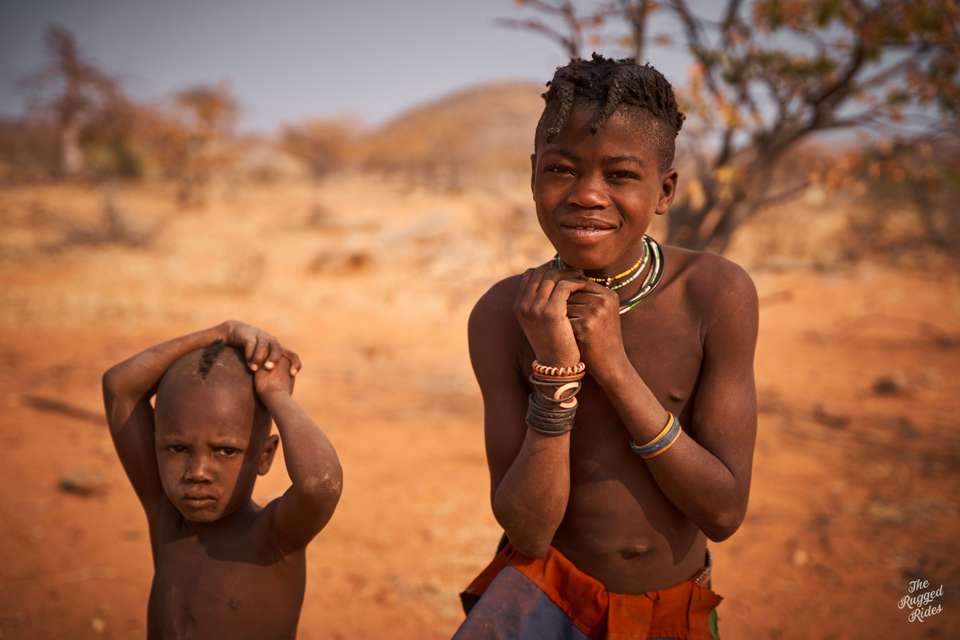
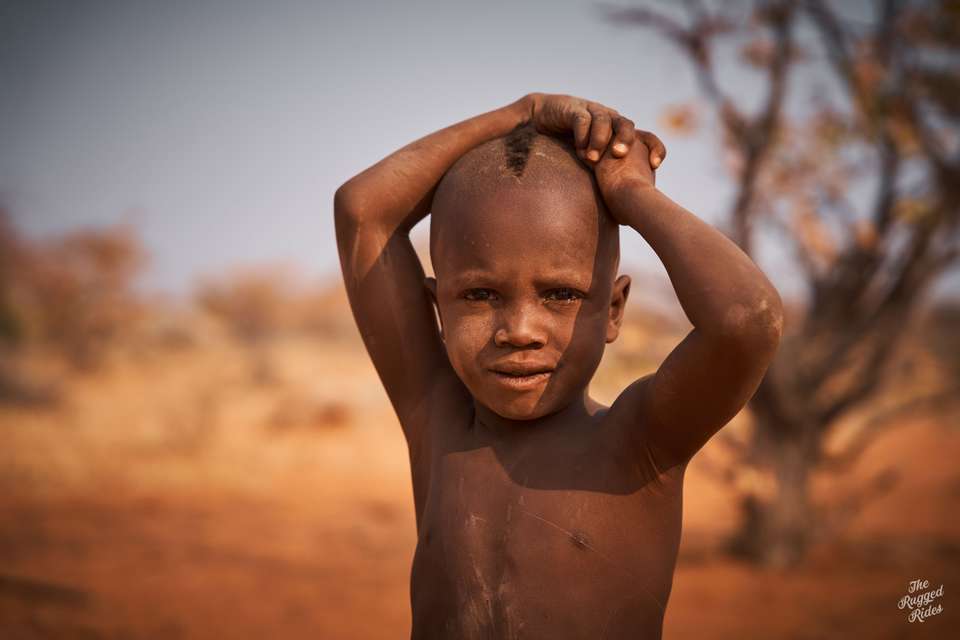
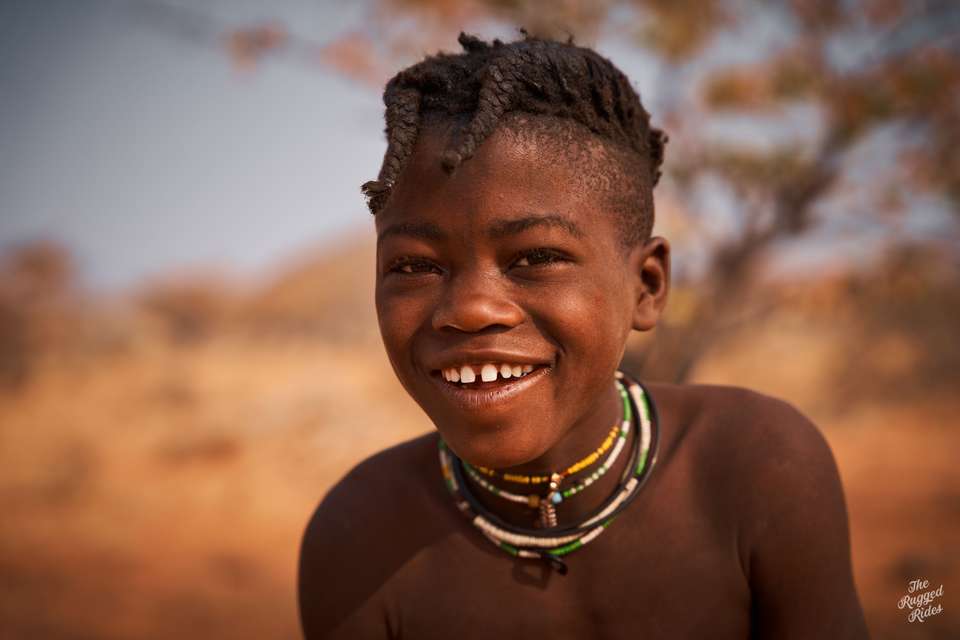
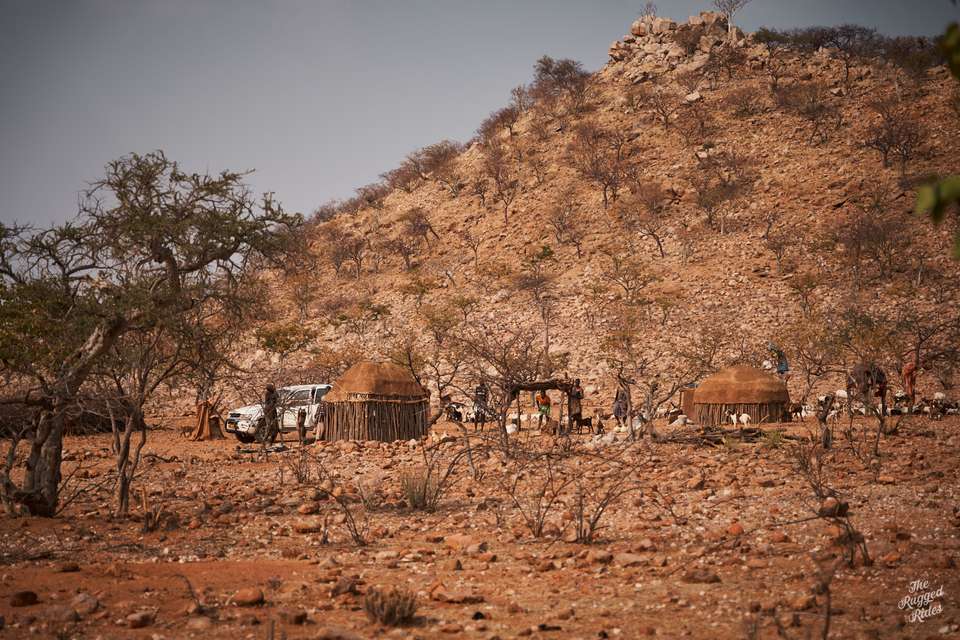
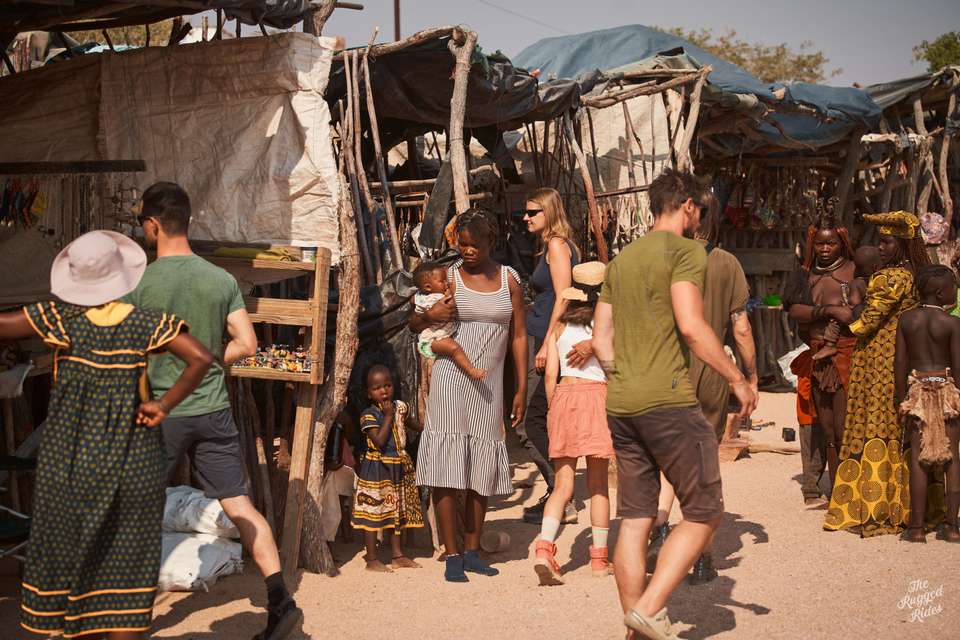
Himba live in the northern Namibia. They are a people who've managed to keep an absolutely fascinating way of life and unique look. Himba women rub their skin and hair every day with a mix of red ochre and fat. It gives them that striking color, protects them from the sun and bugs, and even shows their status – you can tell right away from a woman's hairstyle if she's a child, unmarried, or married. Another thing, they all knock out their front teeth and are super proud of it. The Himba are herders, and for them wealth is measured in number of cows. Their villages are built in circles, with stick-and-clay huts, and in the middle there's a corral where they keep smaller animals like goats.
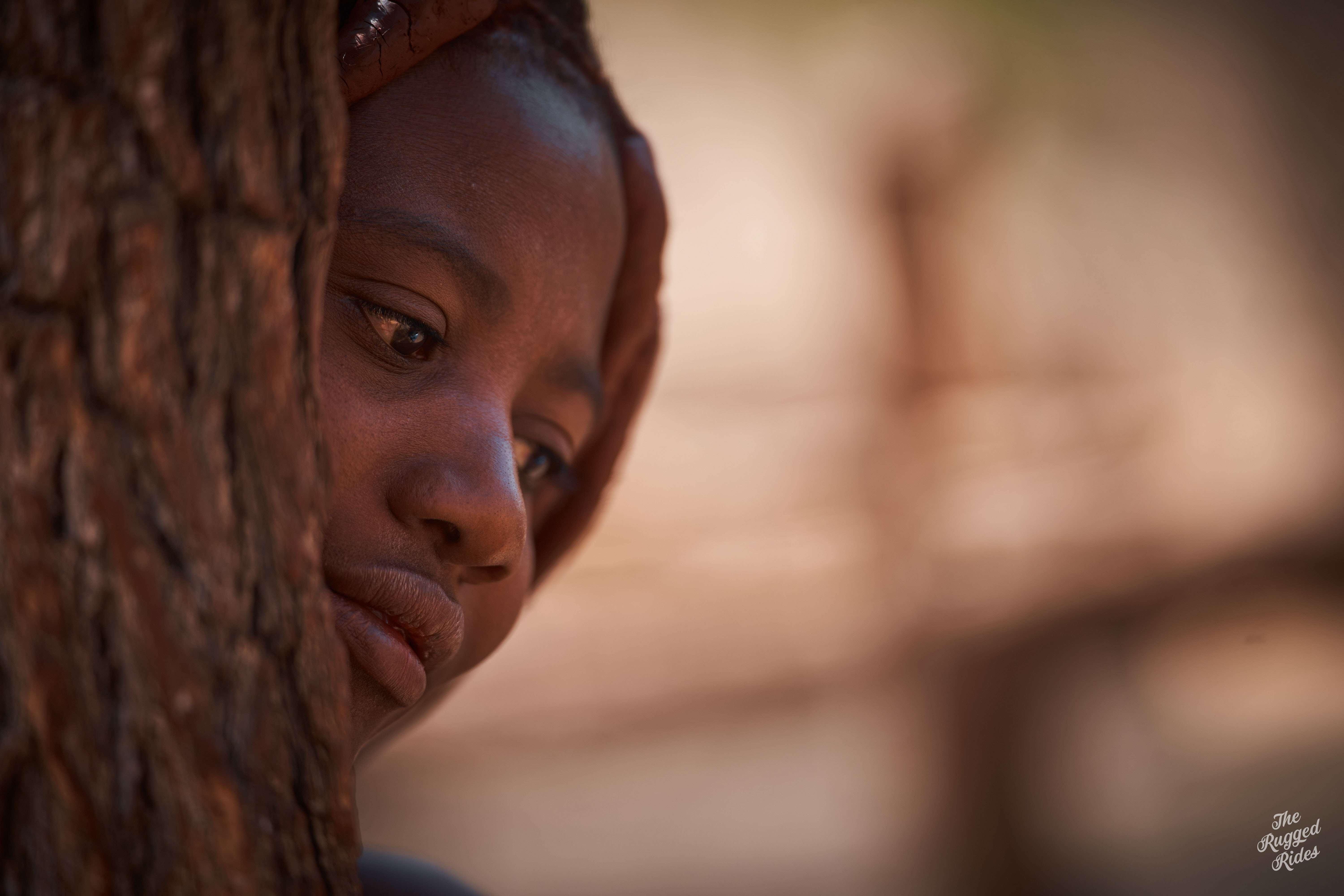
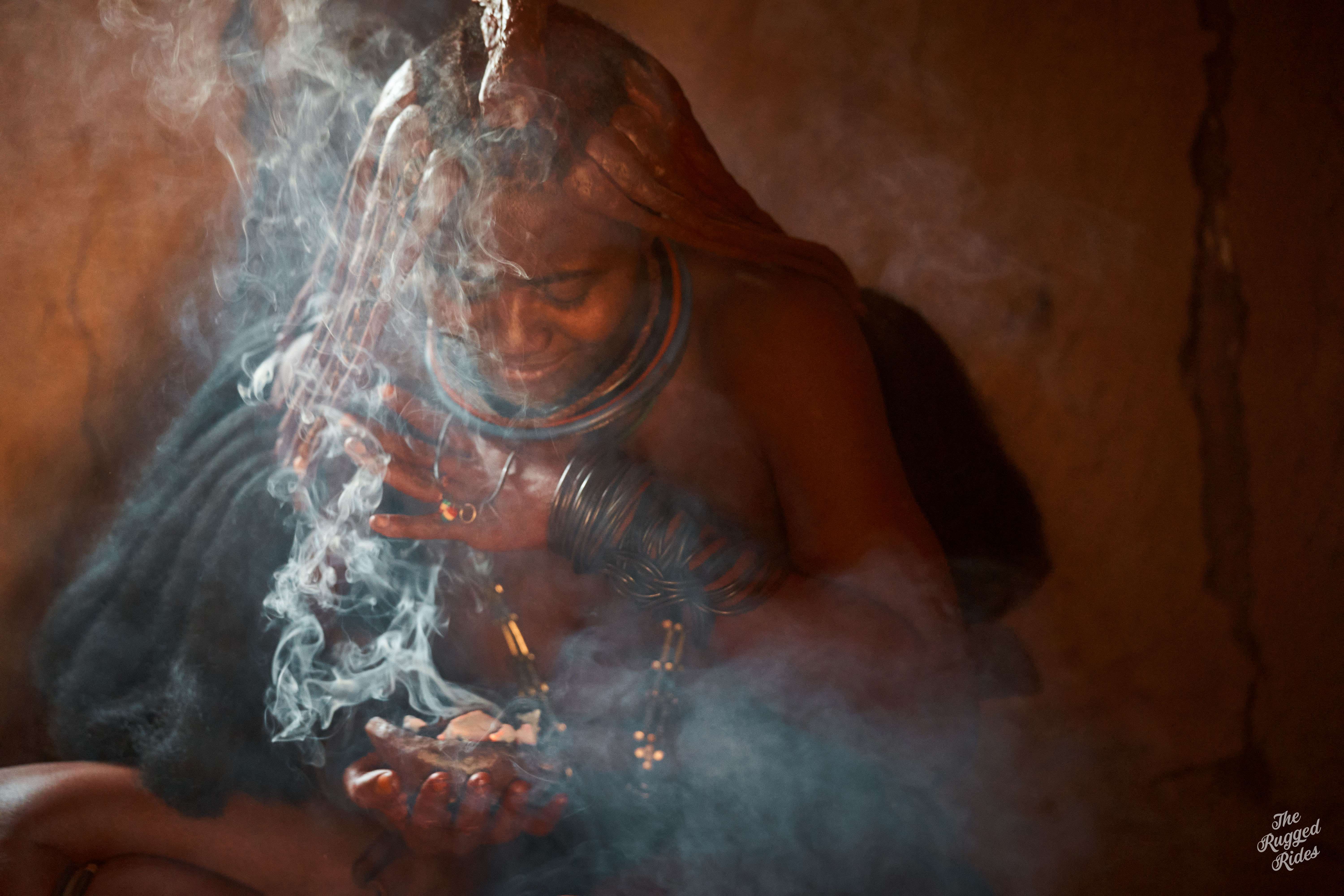
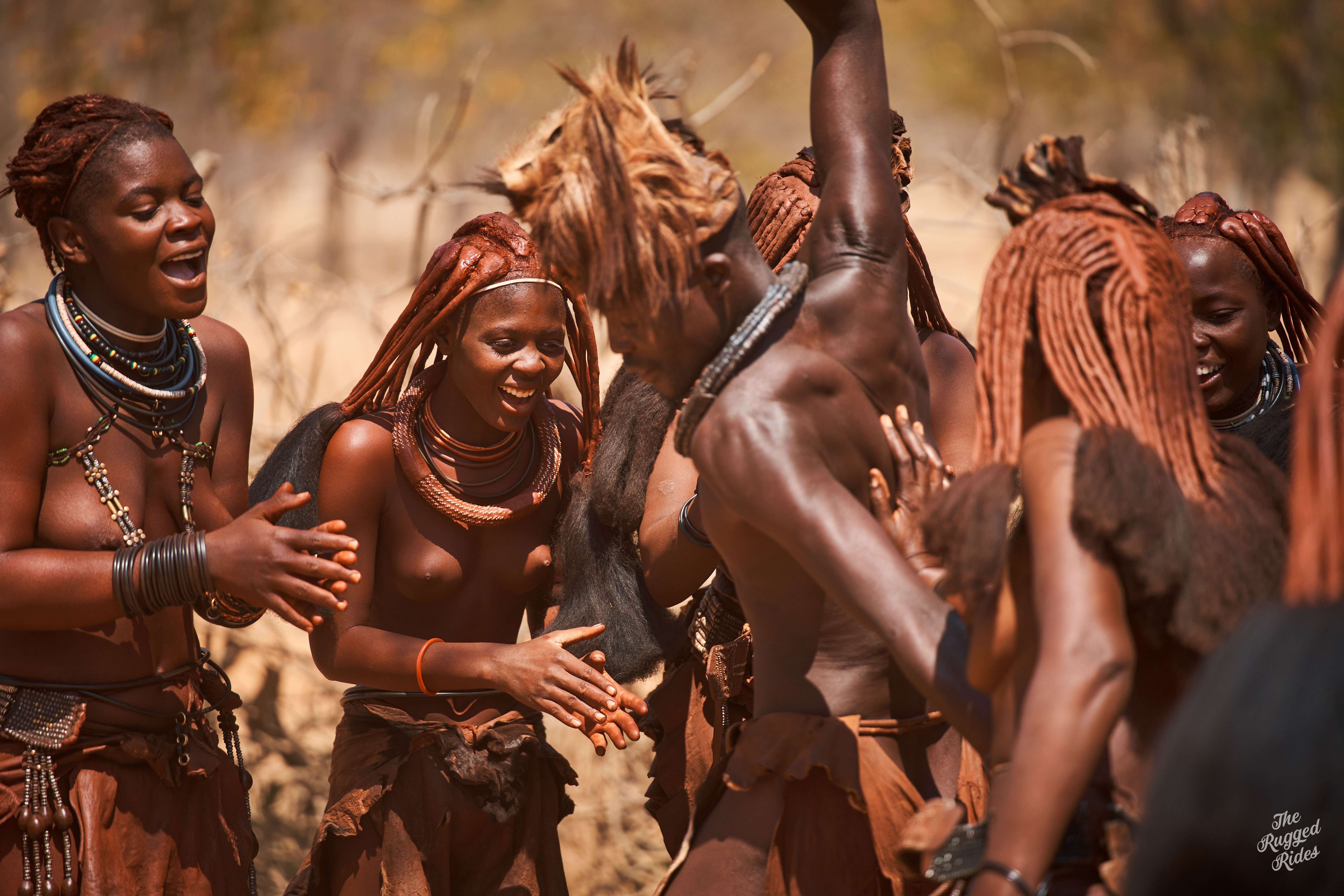
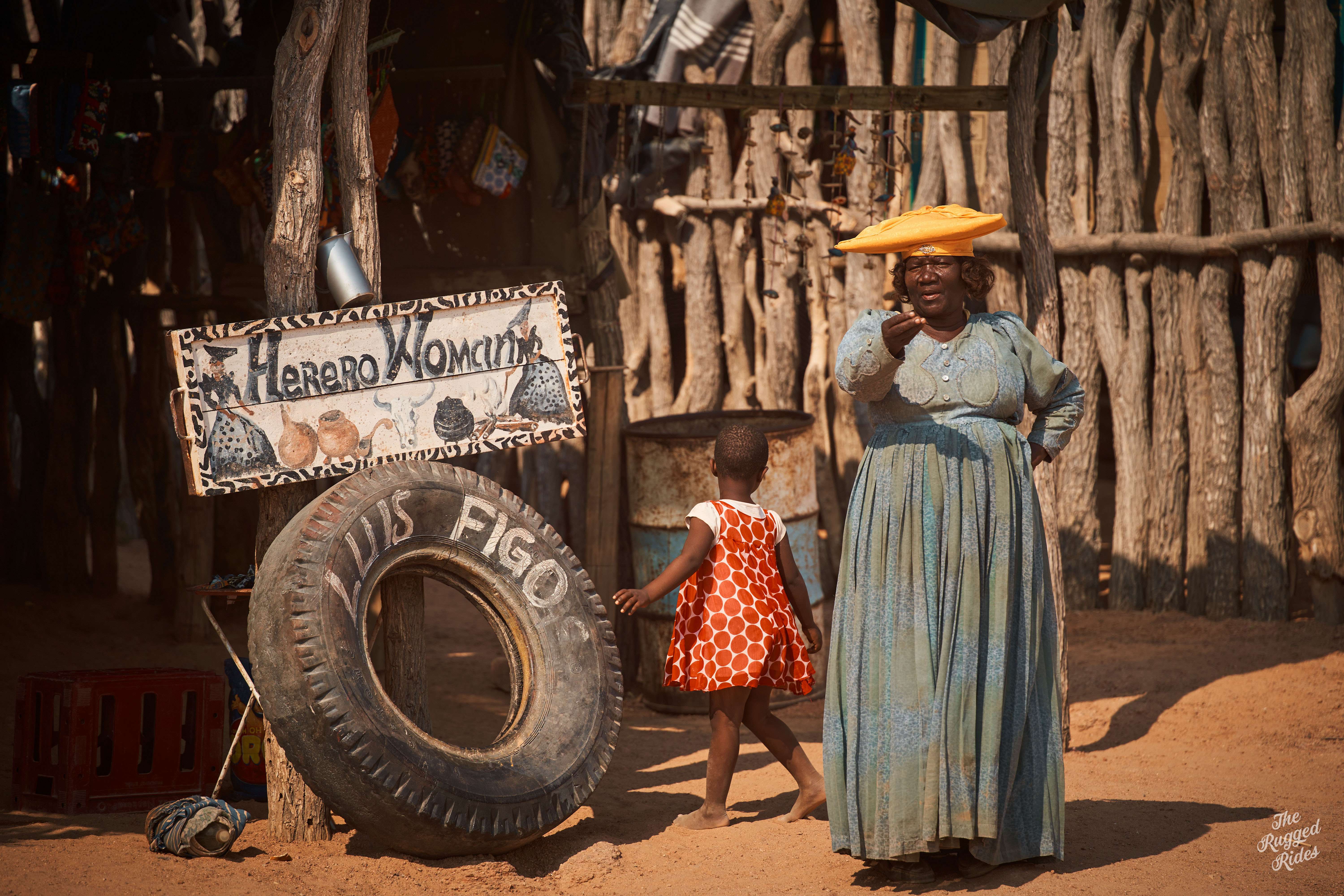
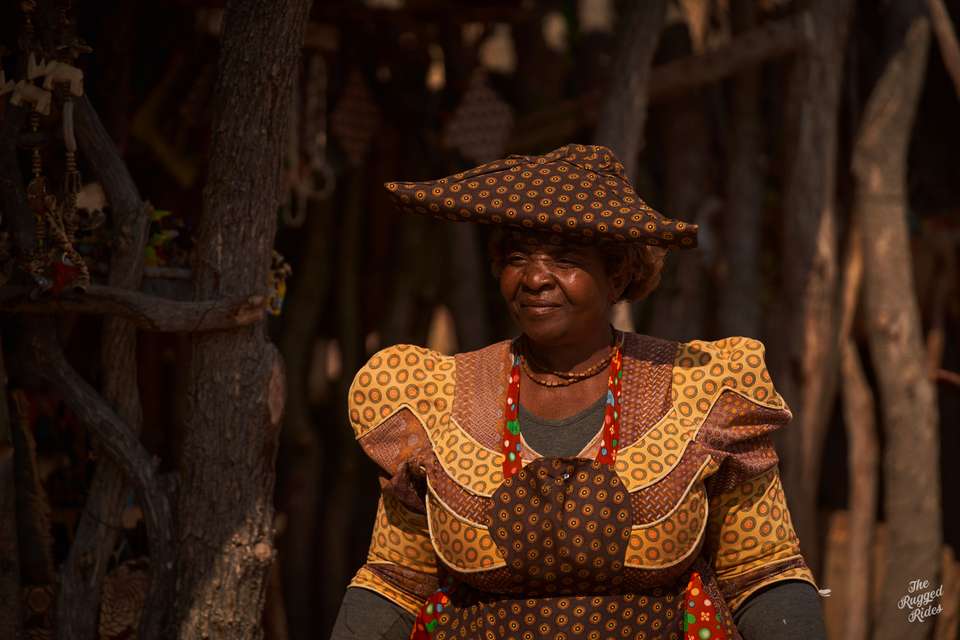
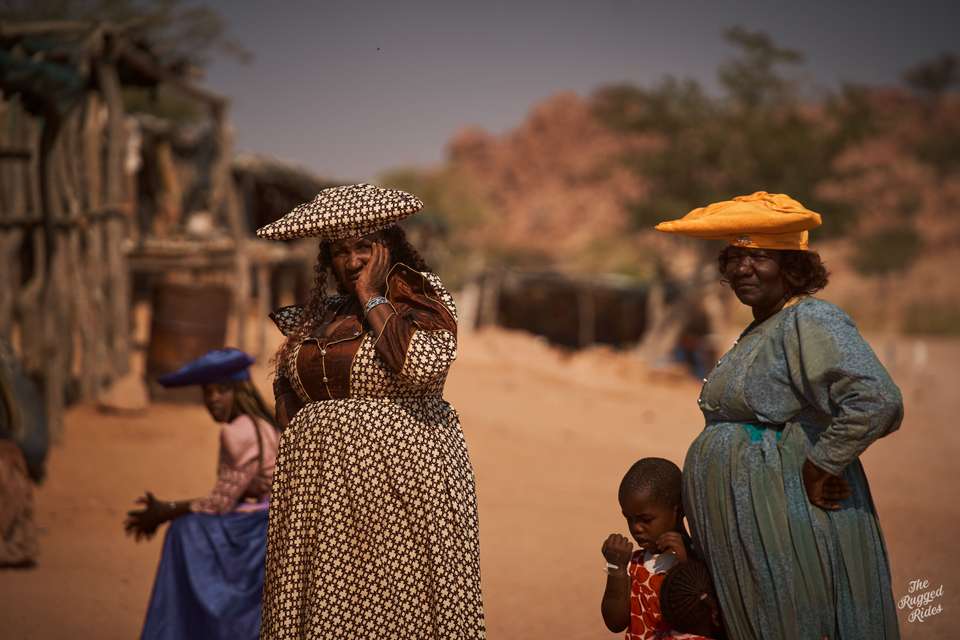
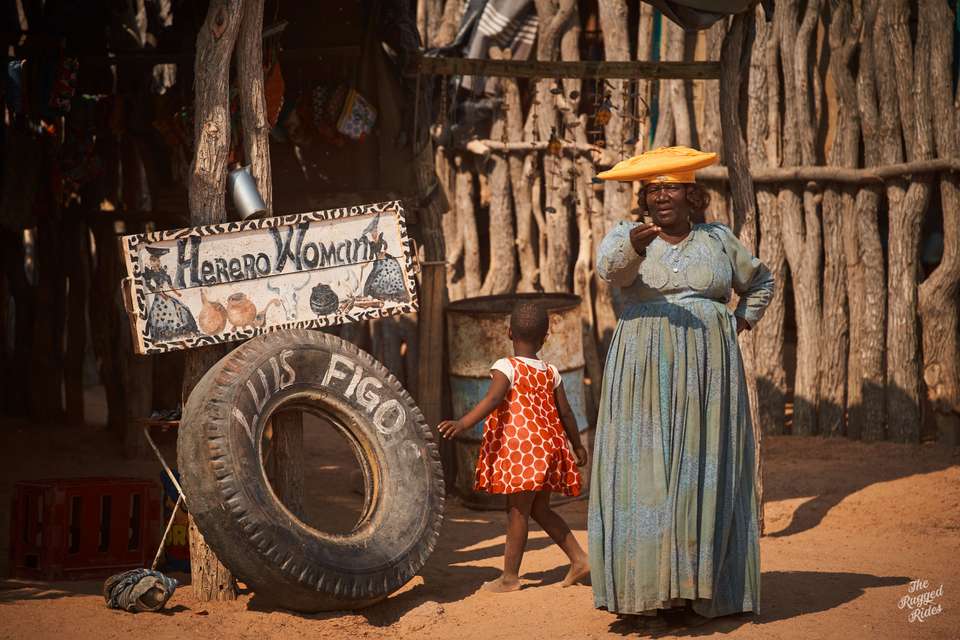
Alongside live the Herero. Their history is a tough one. At the start of the 20th century, under German colonial rule, there was the Herero and Nama uprising (1904–1908). Sadly, it ended in one of the first genocides of the 20th century. Despite this tragedy, the Herero kept their identity and traditions. What's really interesting is that the Himba and Herero share the same ancestors. What sets them apart today is that when German colonizers started seizing land, the Himba moved north and kept their old way of life, while the Herero stayed and eventually adopted a lot of European culture, including their incredible outfits. Herero women wear long, colorful victorian style dresses with ruffles and corsets, plus their trademark cow-horn-shaped hats. That's no coincidence, cattle are just as important in Herero culture, symbolizing both wealth and a connection to their ancestors.
I have to admit, when I was heading to Namibia, I really hoped to meet and photograph people in traditional clothing, living in traditional villages, especially the amazing Himba and Herero! Total old-school explorer vibes, straight out of National Geographic. But honestly, I didn't believe it would happen. The world is moving forward fast, and everywhere people swap loincloths for cotton T-shirts. I figured maybe, far away, it might still be possible, but with limited time I wasn't counting on it at all.
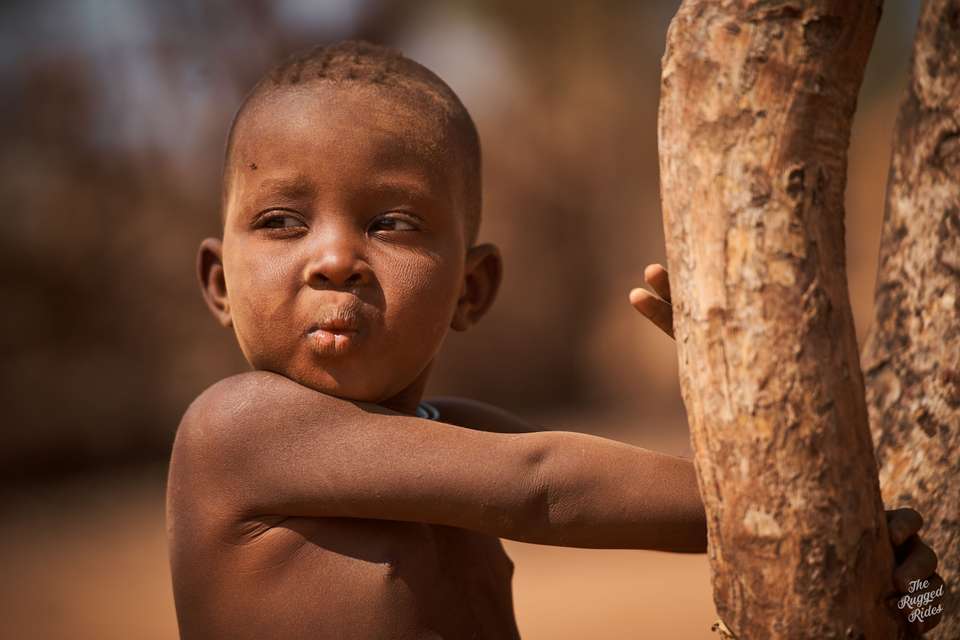
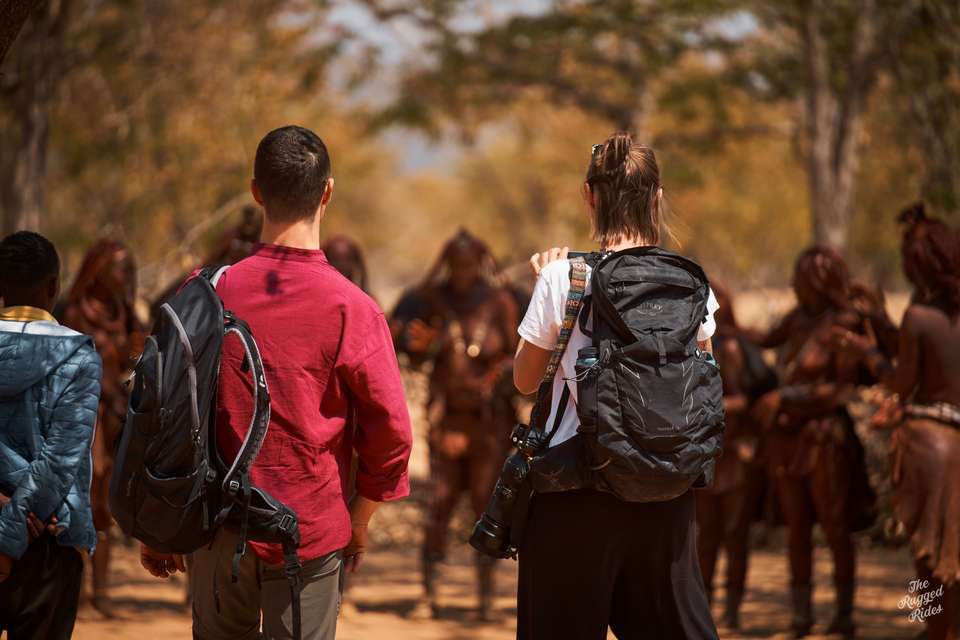
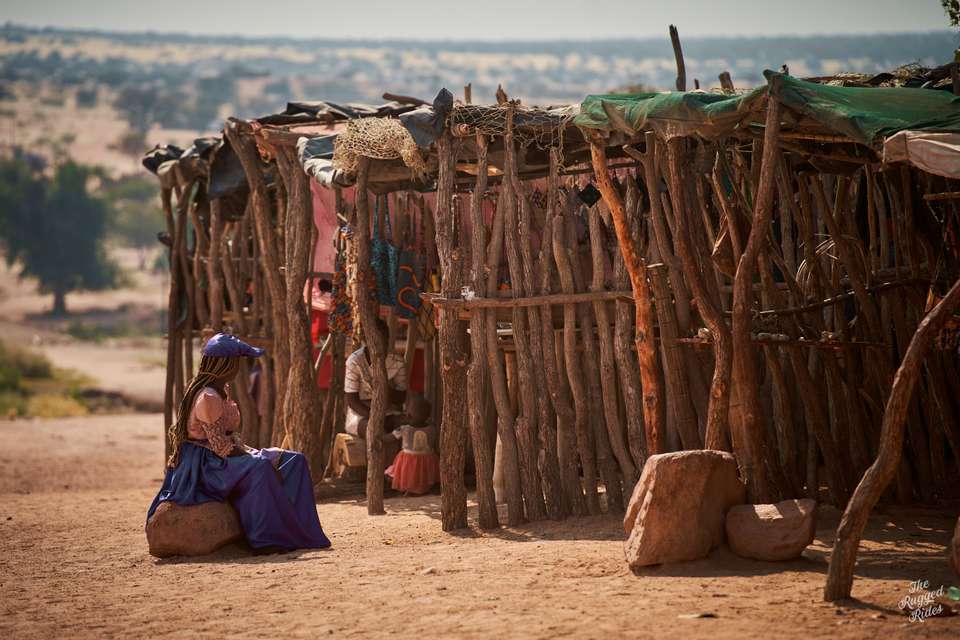
That's why we did something we usually avoid, we visited a cultural village. It's a place where people present their traditions, and the best part is: they're happy to be photographed.
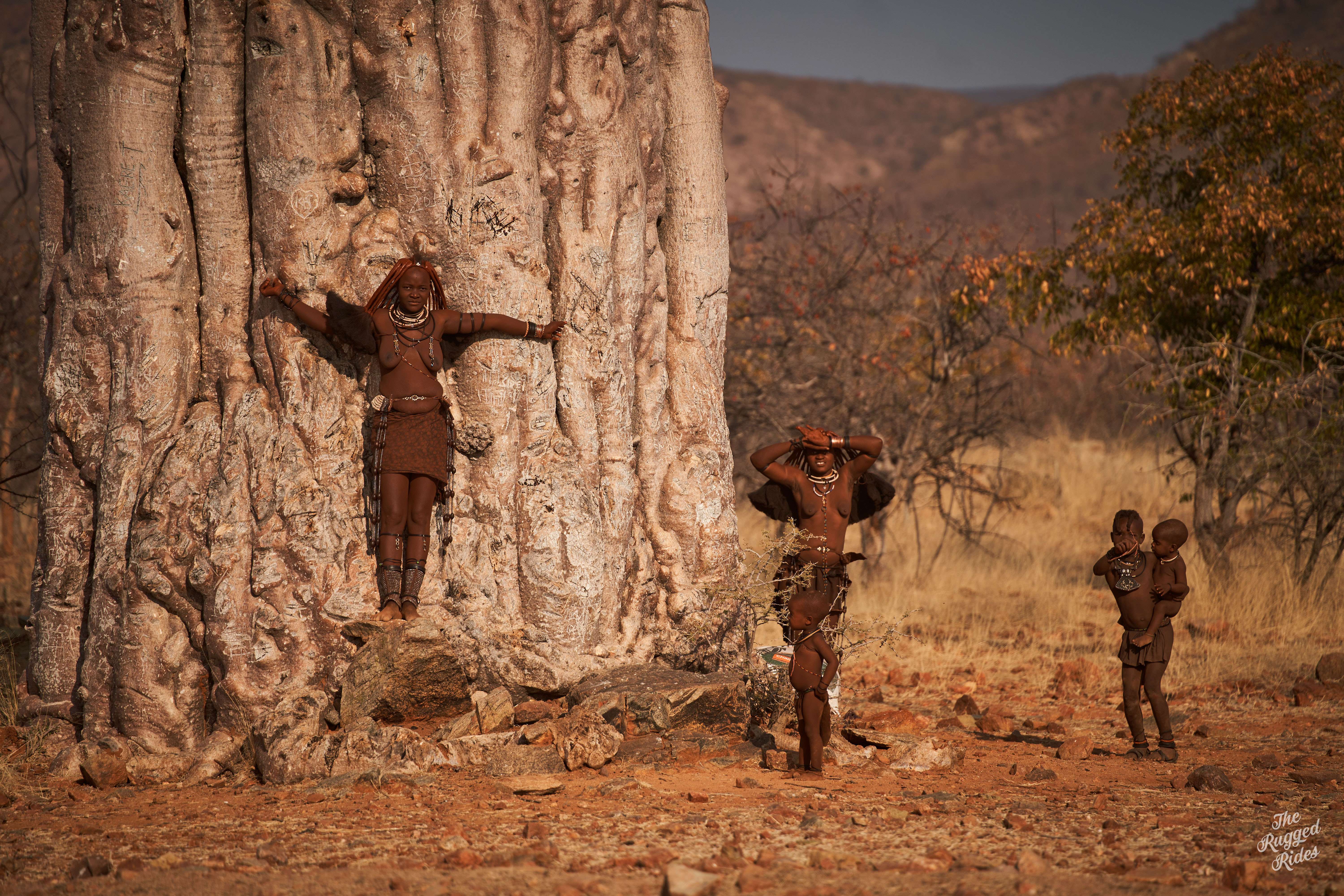
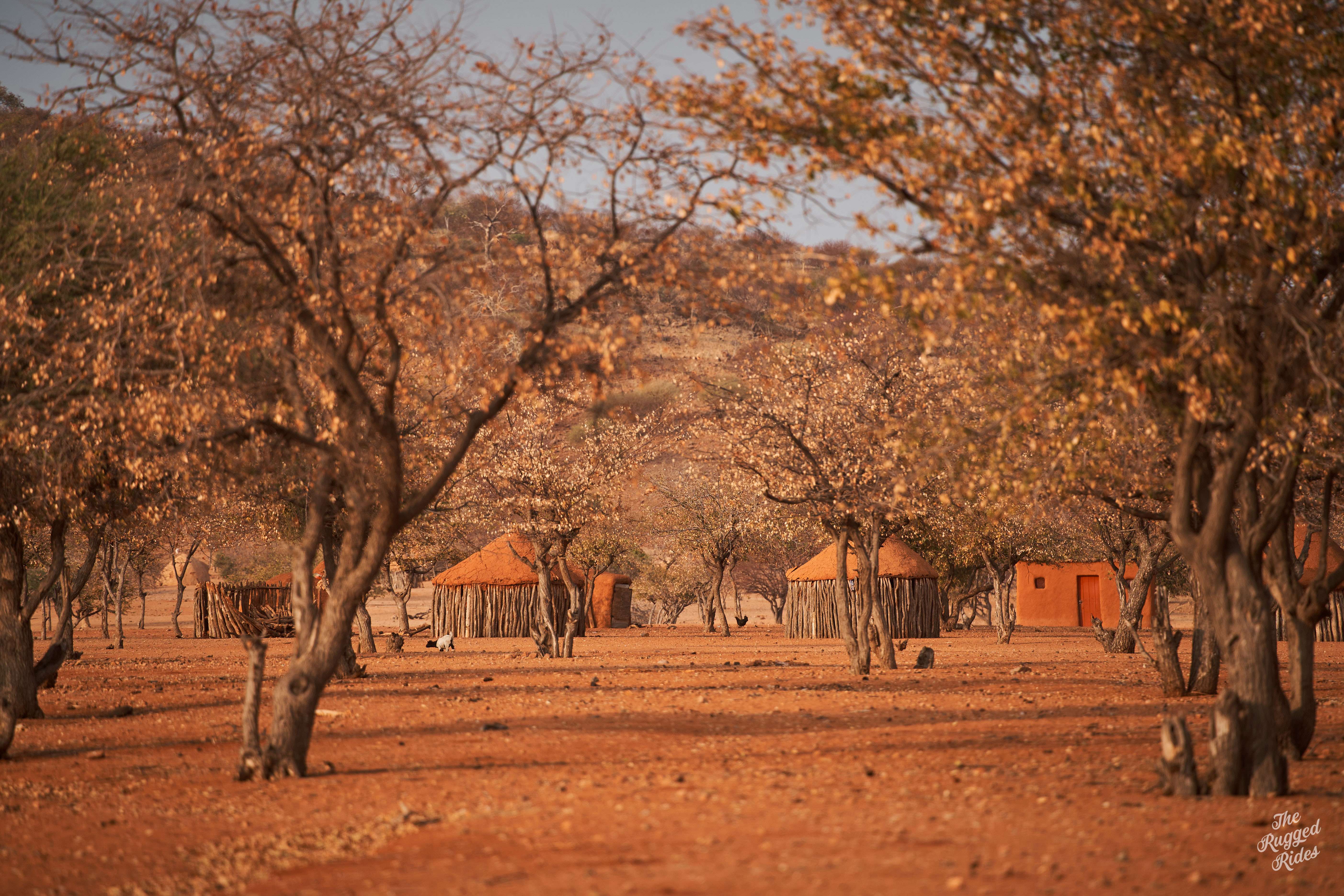
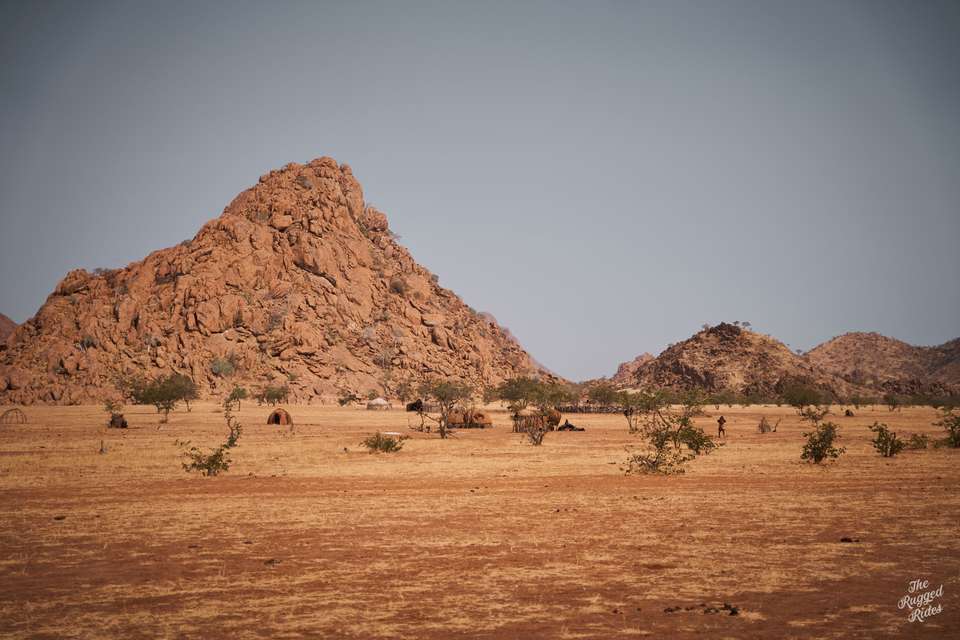
And you know what surprised me most? Later on, when we drove into Kaokoland, the most remote and empty part of Namibia, we kept coming across real villages like that, again and again. And they weren't tourist setups. People still live there the traditional way, and they're proud of it! Even so, I'd still recommend starting with a cultural village visit. There you can take photos without intruding on anyone's privacy, and by paying the entry fee you're supporting the local community. Me personally - I am happy, I've made it!
Leave a comment